Showa Period (1926-1989), c. 1970s
Kyoto, Japan
Of ovoid form in stoneware covered in rich iron brown and white glazes. Marked to the side of the base.
17.2cm high, 13cm diameter
Shimizu Uichi (清水卯一, 1926–2004) was an important Japanese ceramic artist renowned for his mastery of iron-glazed stoneware and his innovative interpretation of classical Chinese ceramic traditions. Born in Kyoto into a family of Kyō-yaki ceramic wholesalers, he abandoned commercial studies to pursue pottery, briefly studying under the influential ceramic artist Ishiguro Munemaro from 1940. He subsequently trained at the Kyoto National Ceramics Research Institute and worked at the Kyoto Municipal Industrial Research Institute before establishing his own studio at Gojozaka in 1945. Influenced by the glazes of Song dynasty Chinese ceramics, he developed a distinctive approach to iron glazes, including rich persimmon, black and oil-spot effects, often combining contrasting glazes with expressive incised and finger-drawn decoration. In 1947 he joined the avant-garde Shikōkai group, reflecting his interest in developing a modern ceramic language beyond established Kyoto traditions. In 1970 he established his Hōrai kiln at the foot of Mount Hōrai in Shiga Prefecture, where he continued his experimentation with glaze and firing. Awarded the Grand Prix at the 1958 Brussels World's Fair and the gold medal at the 1962 Prague International Ceramics Exhibition, he was designated a Living National Treasure in 1985 for his achievements in tetsuyū tōki (iron-glazed ceramics).

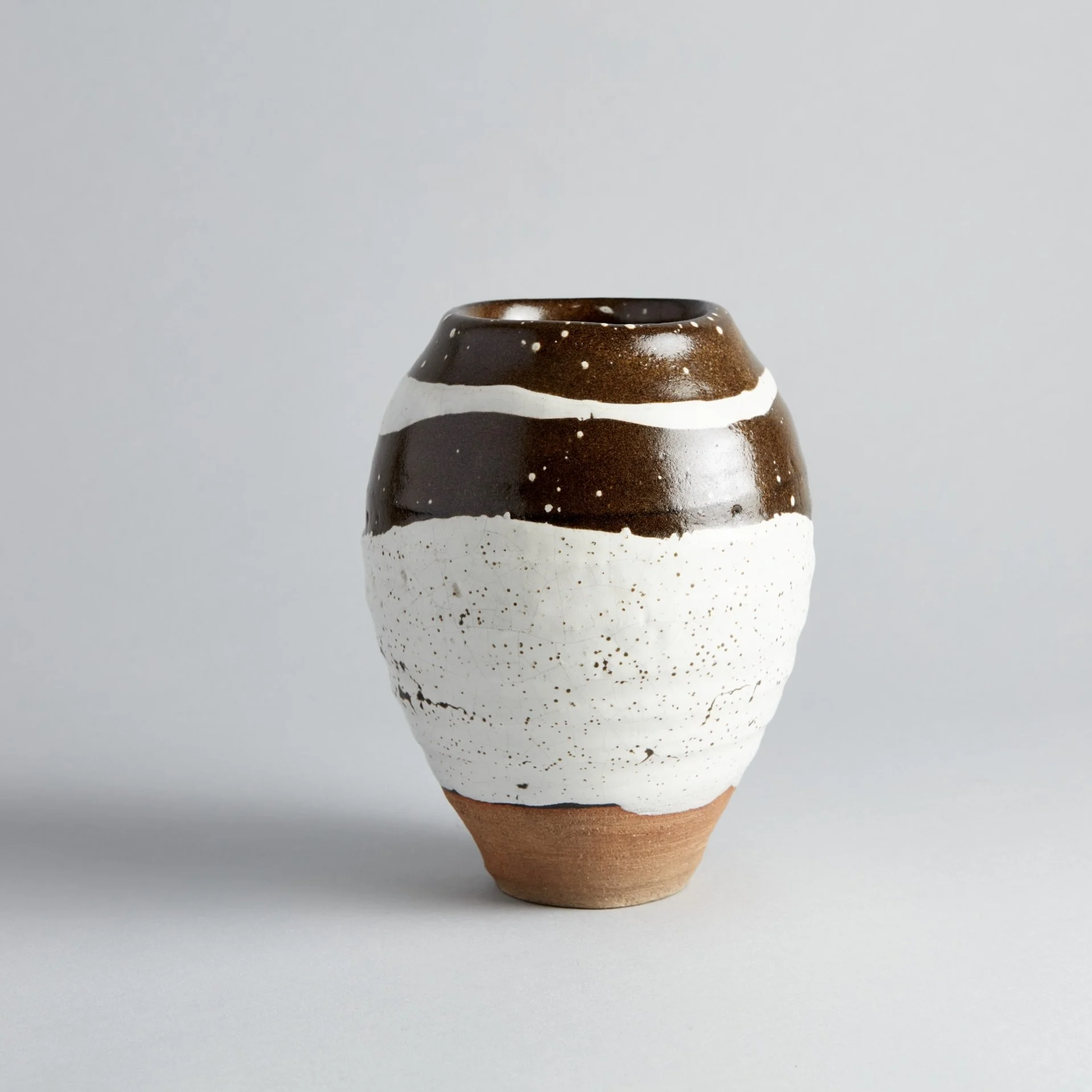 Image 1 of 8
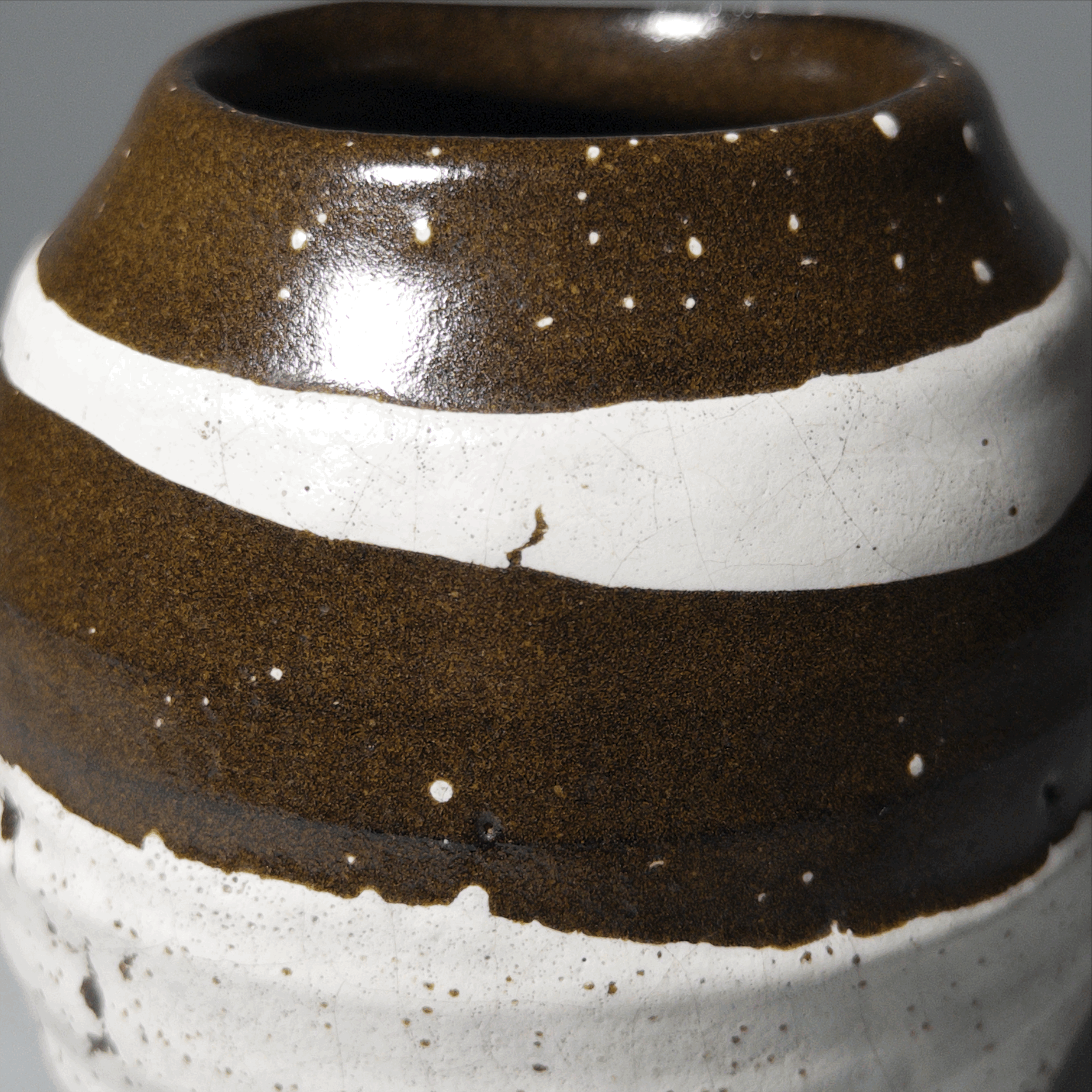 Image 2 of 8
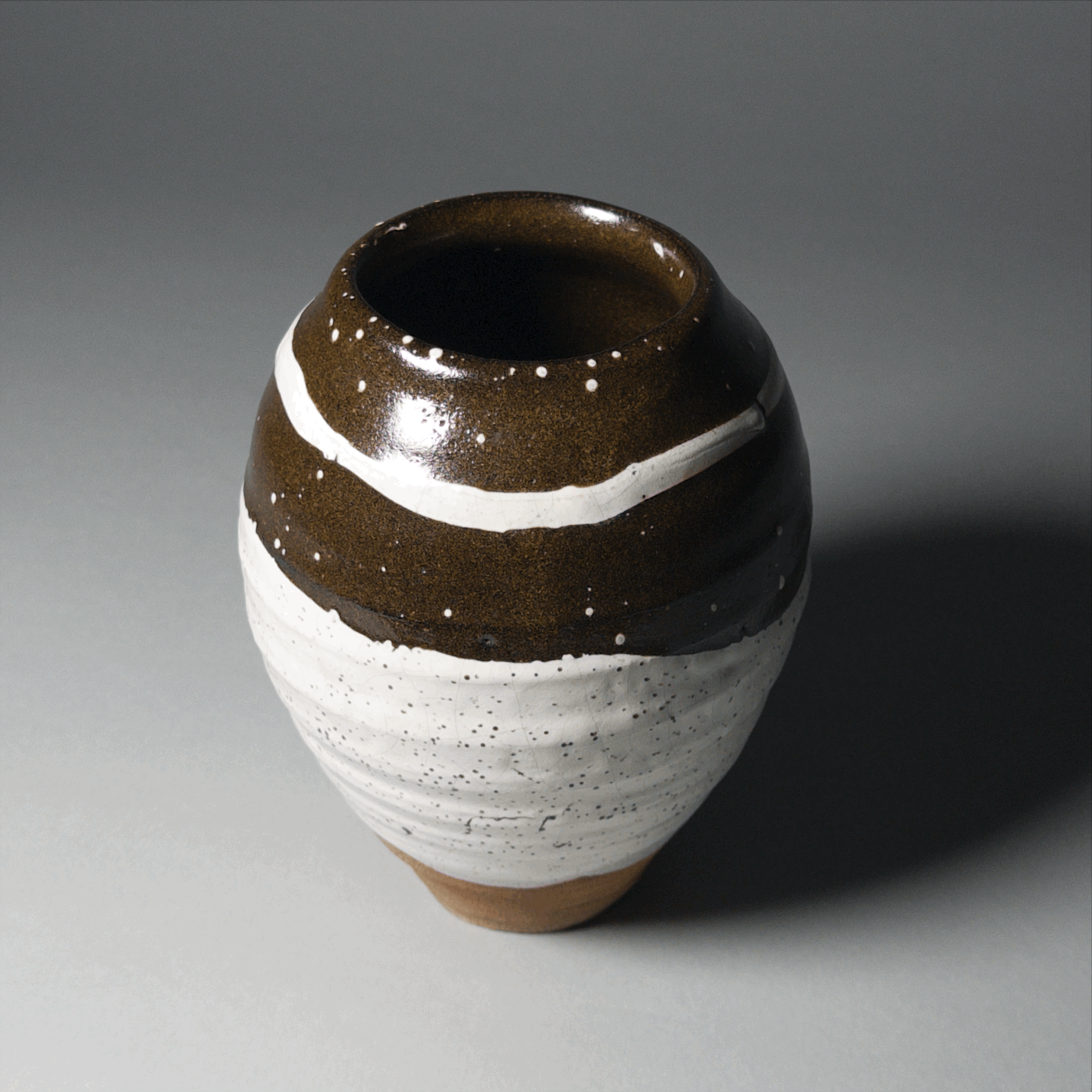 Image 3 of 8
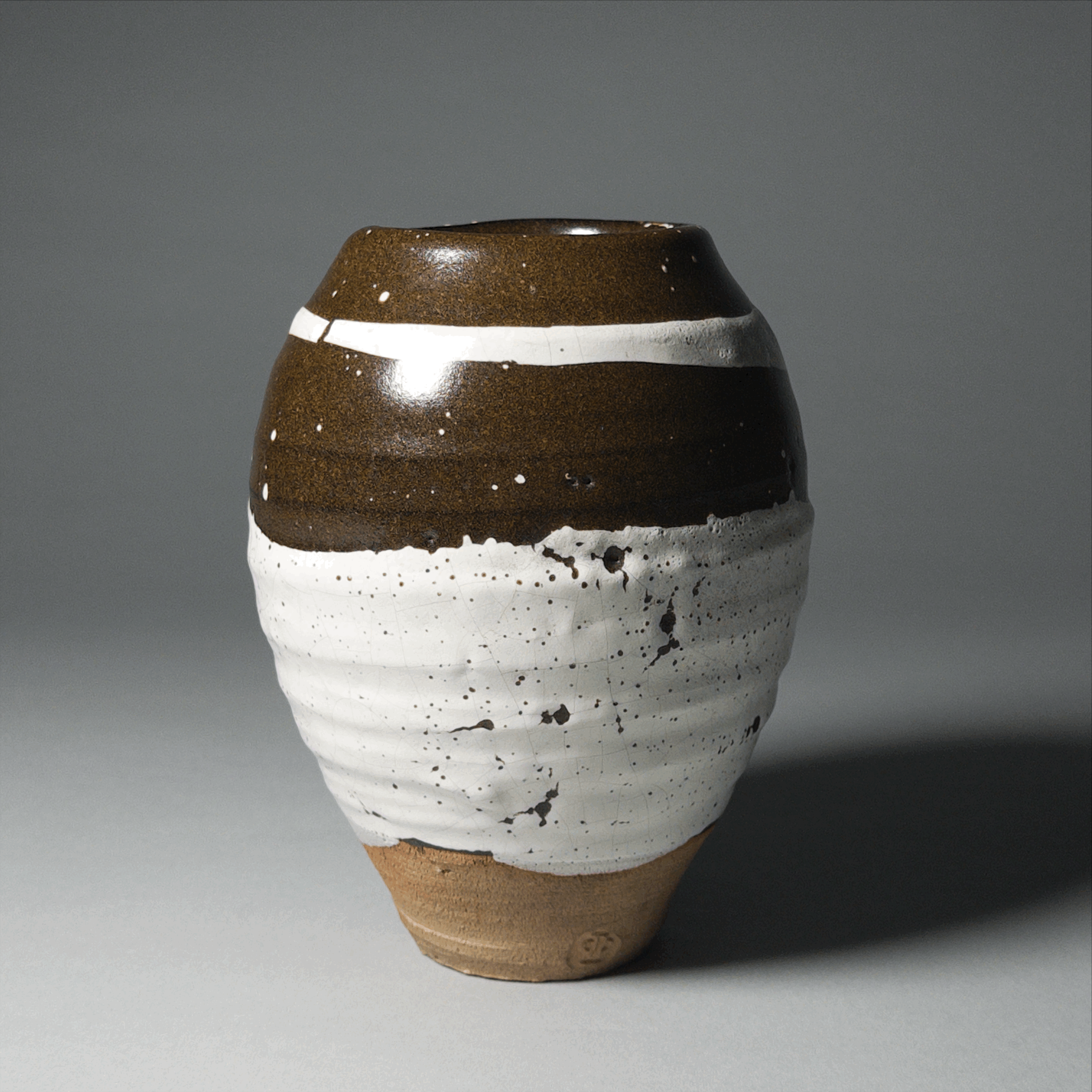 Image 4 of 8
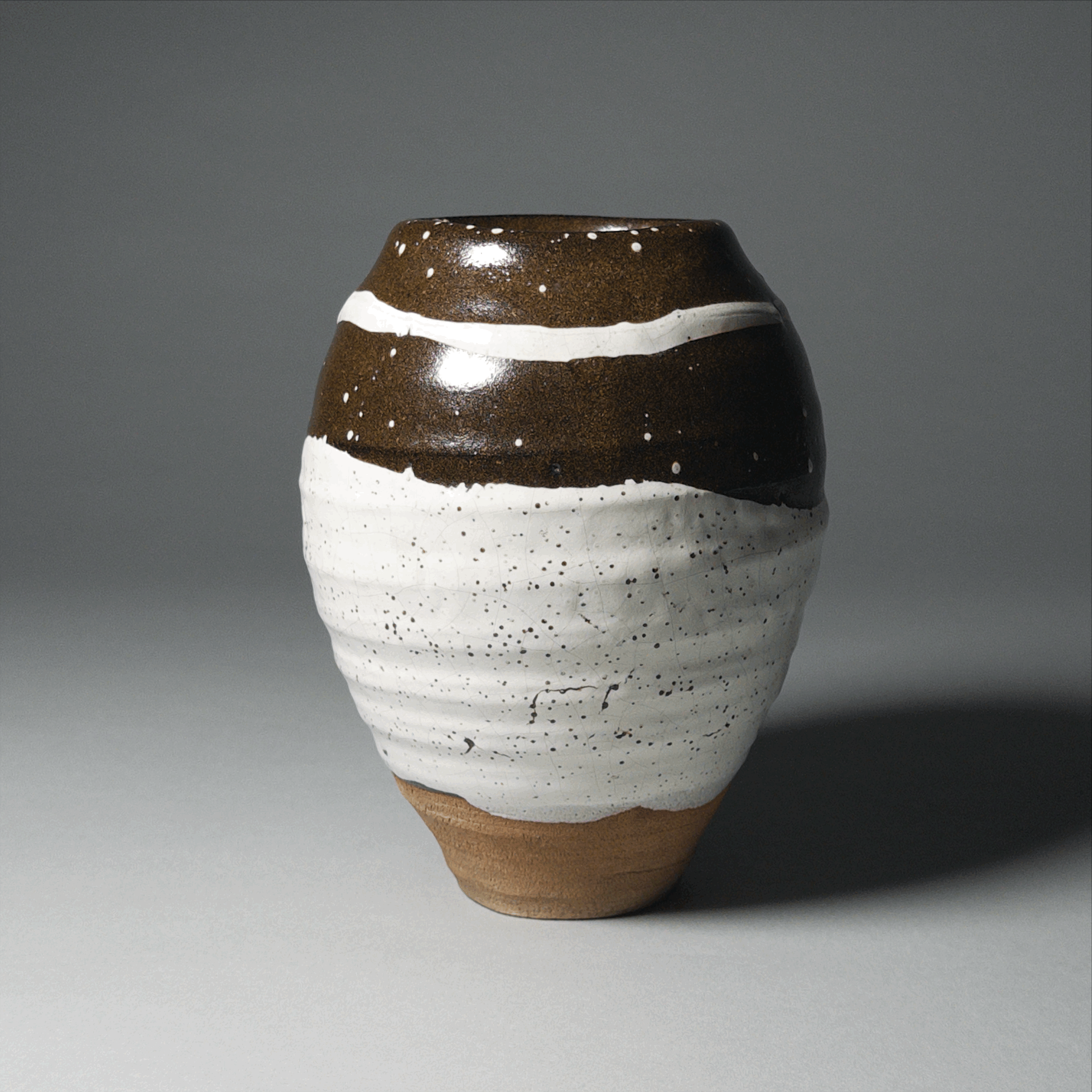 Image 5 of 8
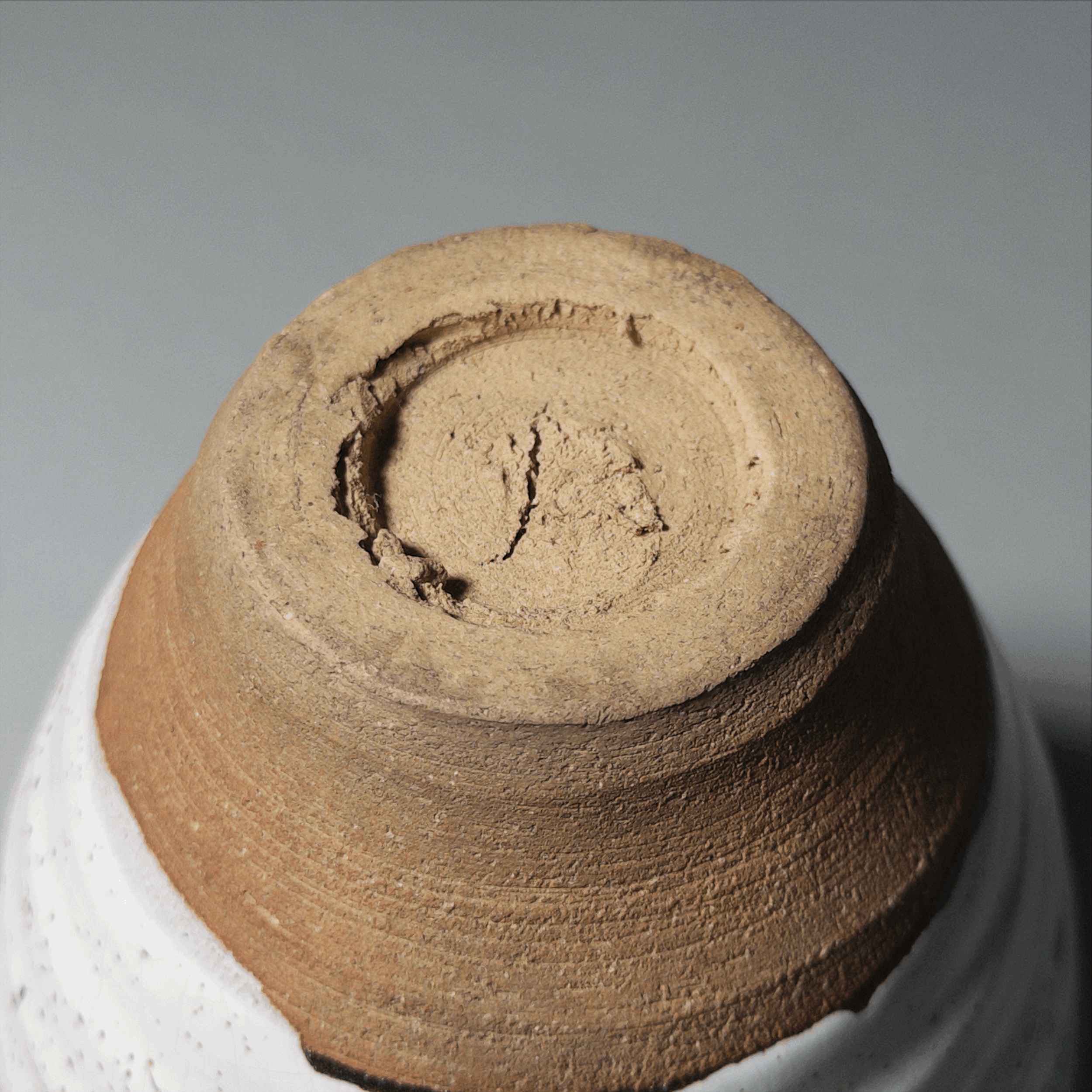 Image 6 of 8
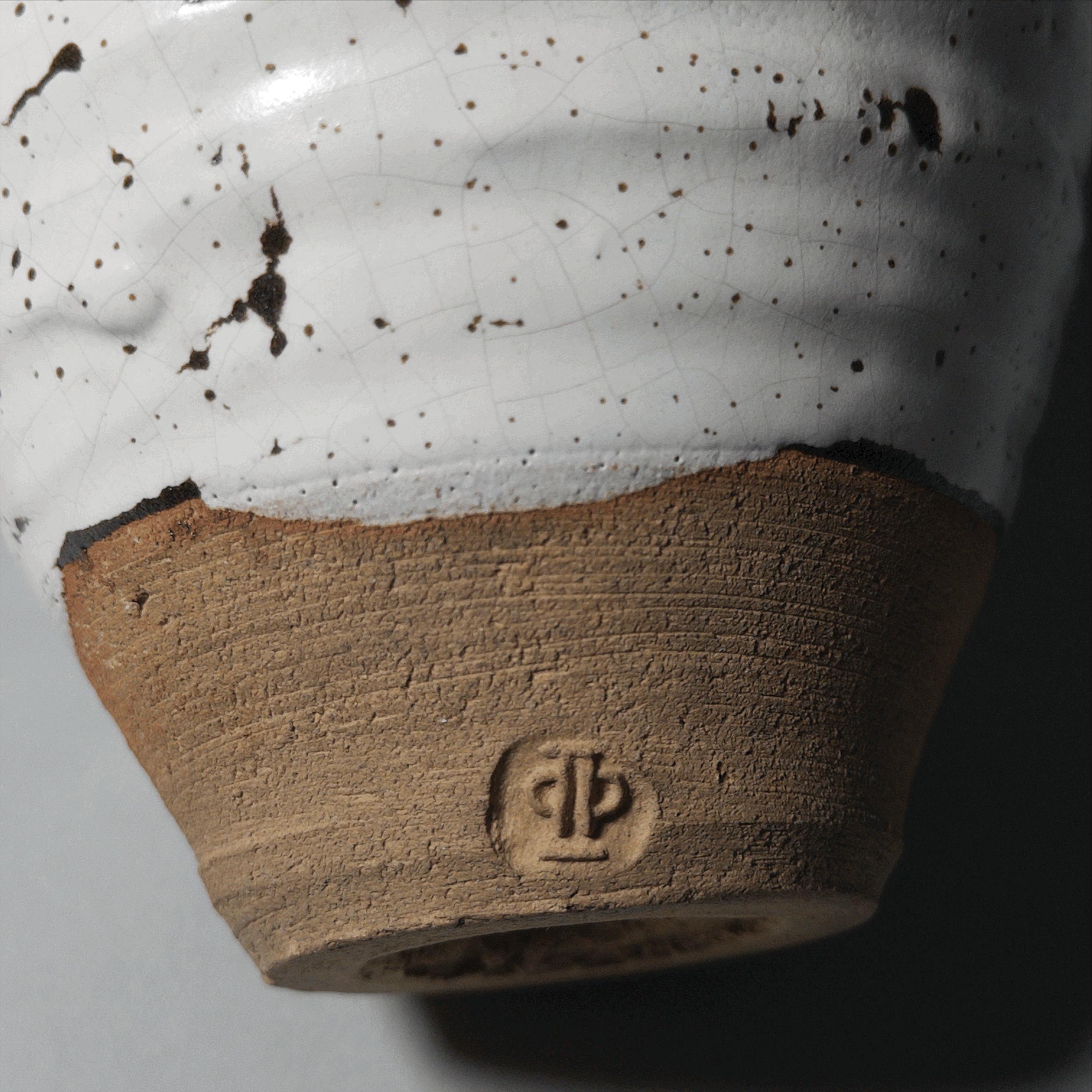 Image 7 of 8
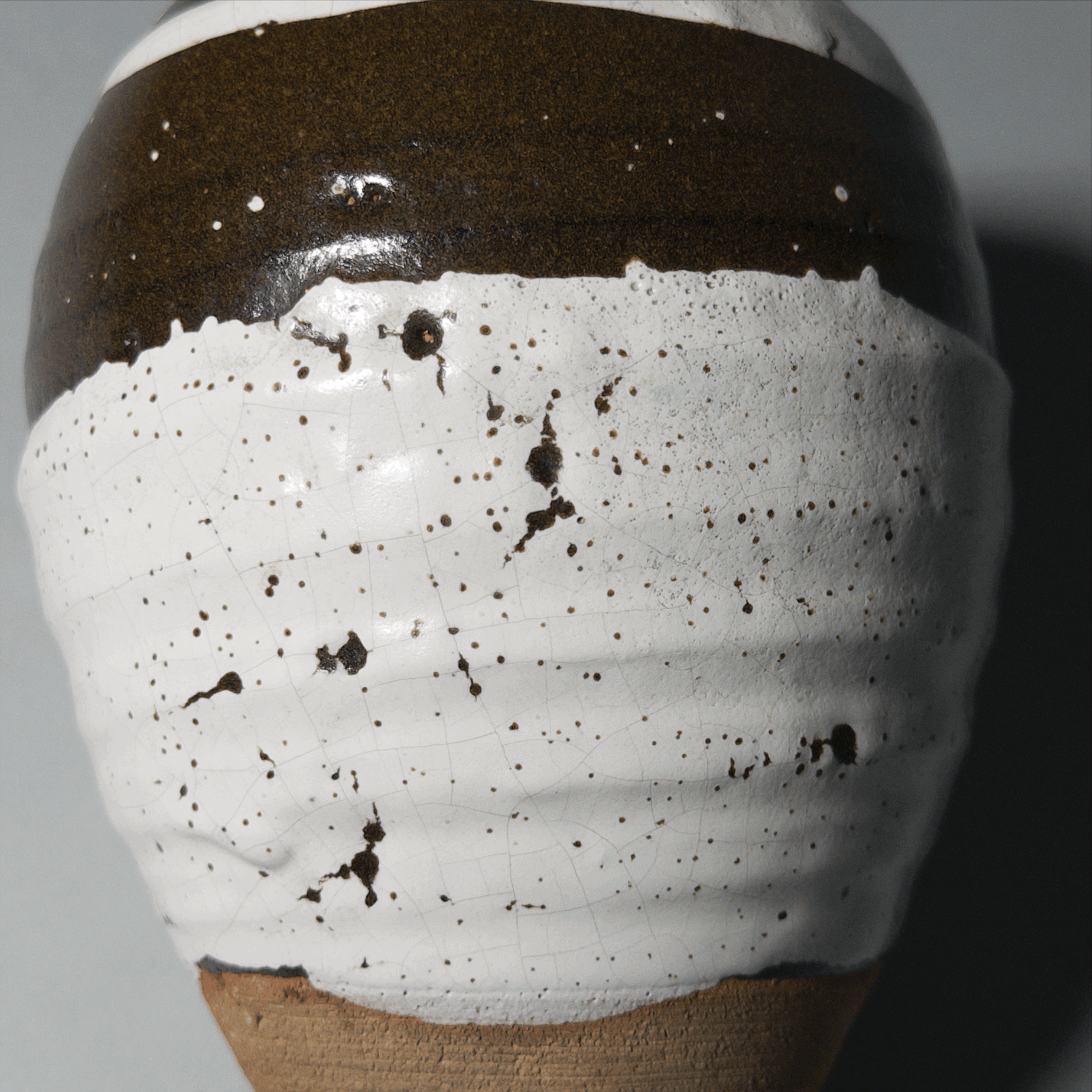 Image 8 of 8