Showa Period (1926-1989), c. 1962
Kyoto, Japan
Of cylindrical form with a conical neck, with modernist abstracted relief modelling of elephants to the neck, covered in a creamy crystalline glaze. With the tomobako (signed box).
29cm high, 14.5cm diameter
Kusube Yaichi (楠部彌弌, 1897–1984) was a prominent Japanese ceramic artist of the 20th century, born in Kyoto into a family engaged in the manufacture and export of ceramics. He studied at the Kyoto Municipal Ceramics Research Institute, graduating in 1915, and subsequently established his own studio, developing an independent approach to ceramic art. In 1920 he co-founded the Akatsuchi (Red Clay) group with fellow potters, advocating the recognition of ceramics as an individual artistic discipline rather than merely a decorative craft. An accomplished innovator in glazes and surface decoration, he developed his signature saien (彩埏) technique, involving the successive application of coloured ceramic materials to create richly layered and nuanced surfaces. His extensive repertoire encompassed porcelain, sculptural forms, coloured glazes and elaborate overglaze decoration. He received the Japan Art Academy Prize in 1954, became a member of the Japan Art Academy in 1962, and was designated a Person of Cultural Merit in 1972. In 1978 he was awarded the Order of Culture, one of Japan's highest artistic honours.

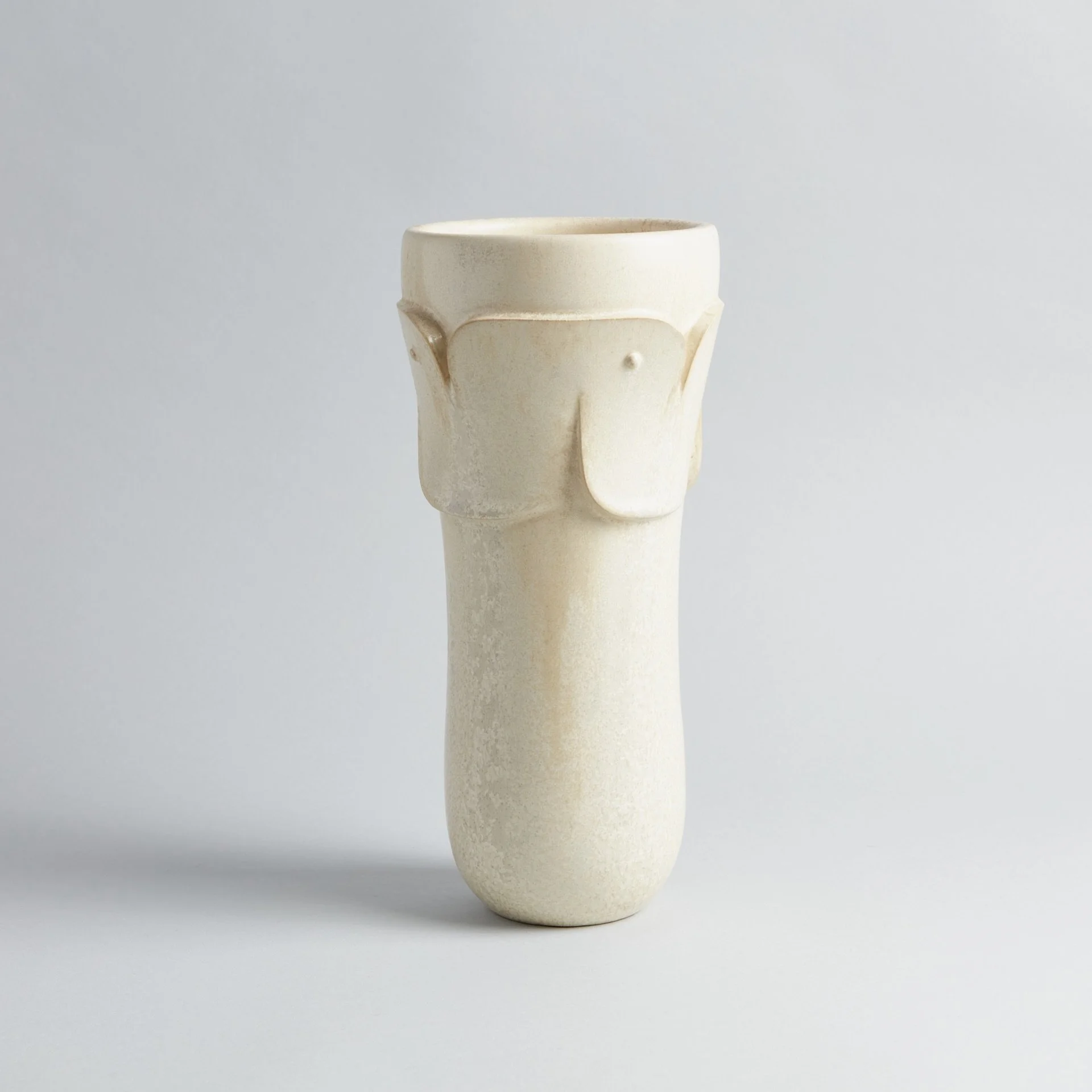 Image 1 of 9
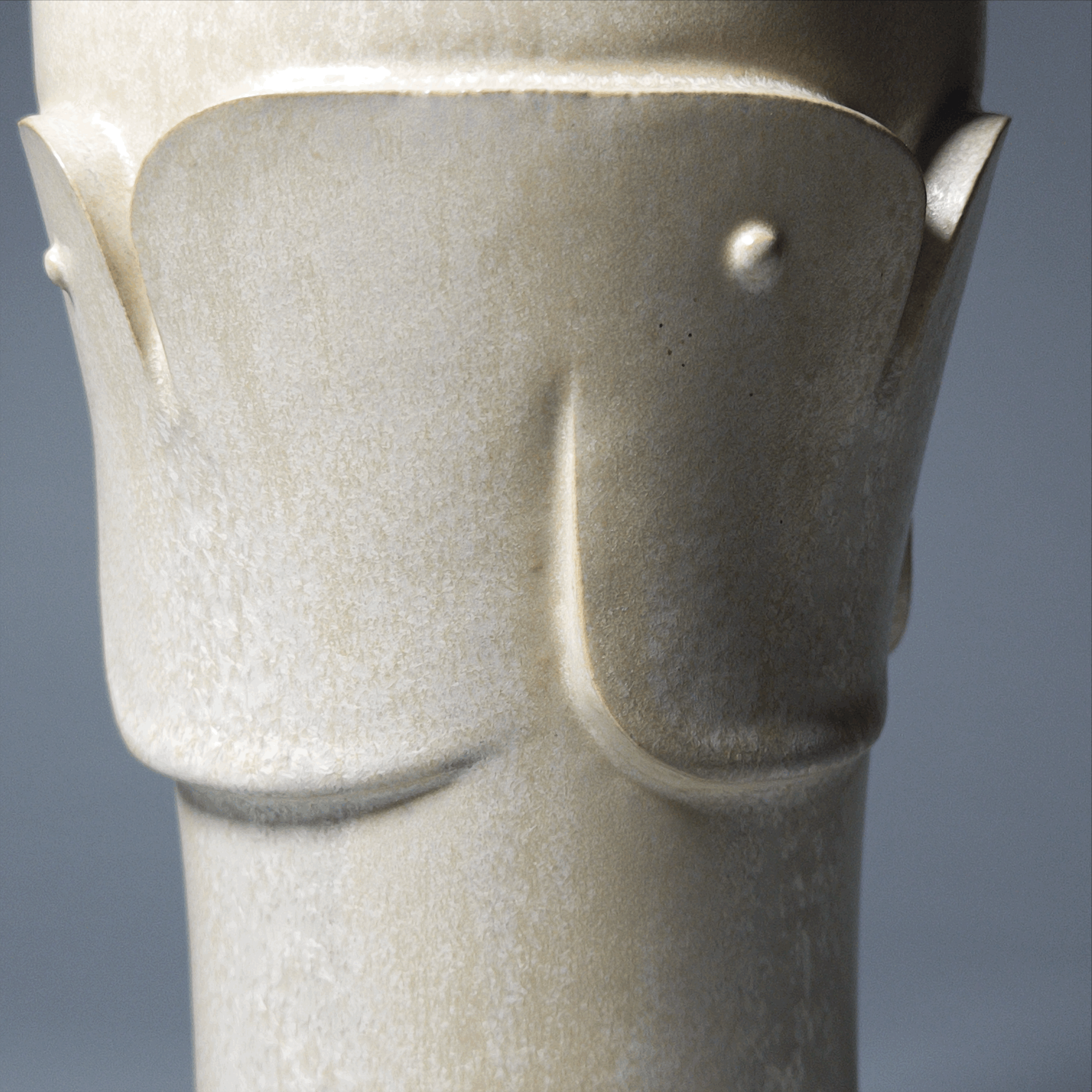 Image 2 of 9
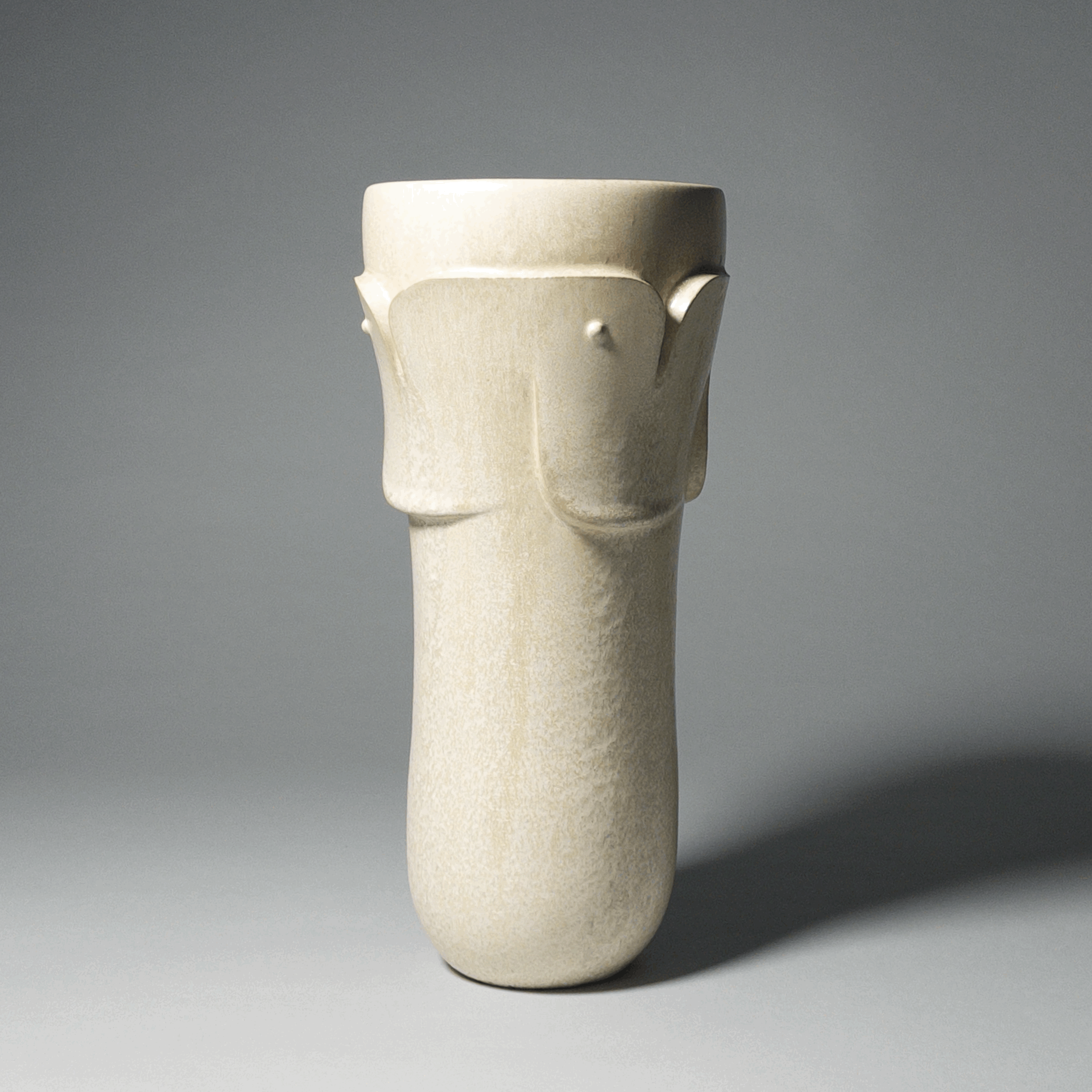 Image 3 of 9
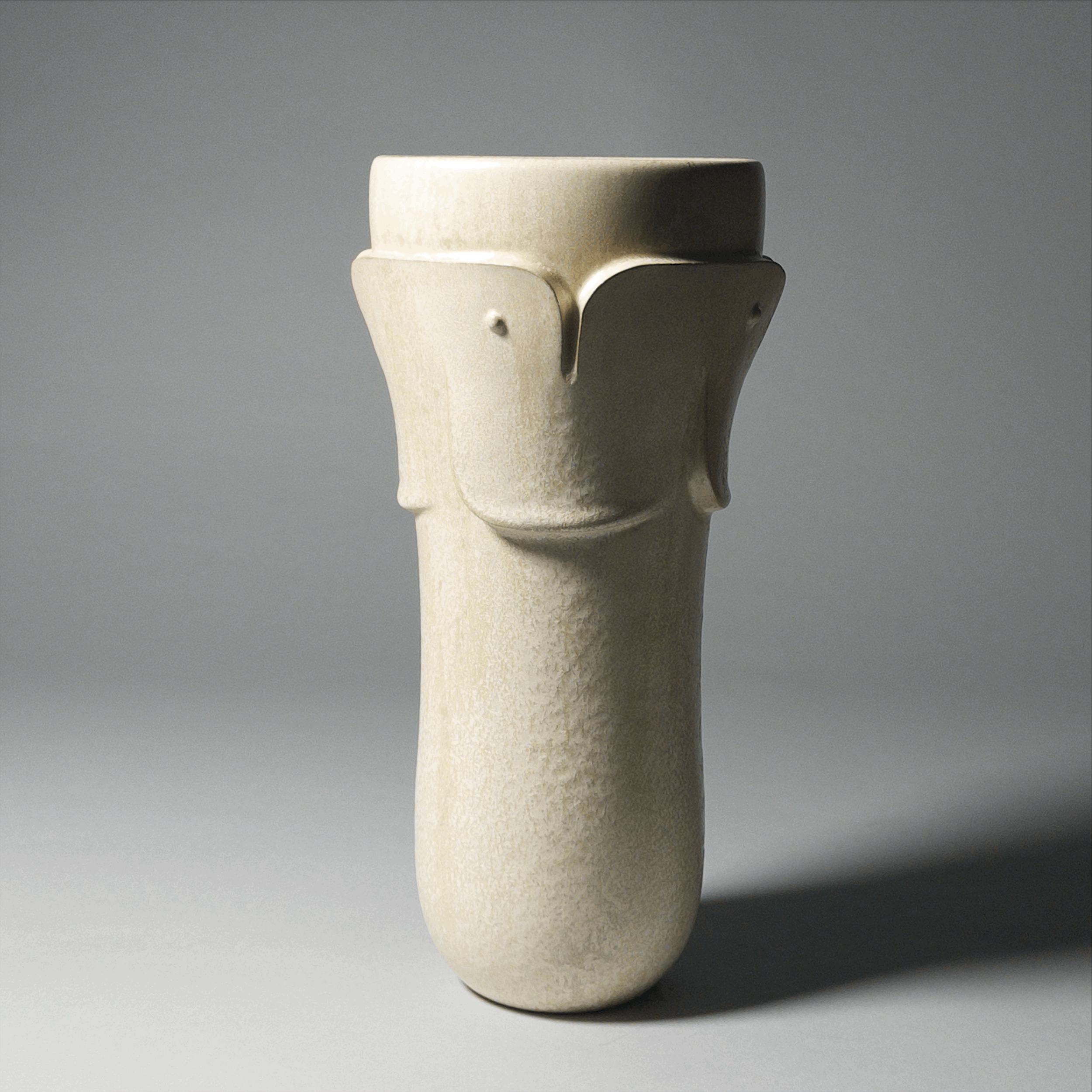 Image 4 of 9
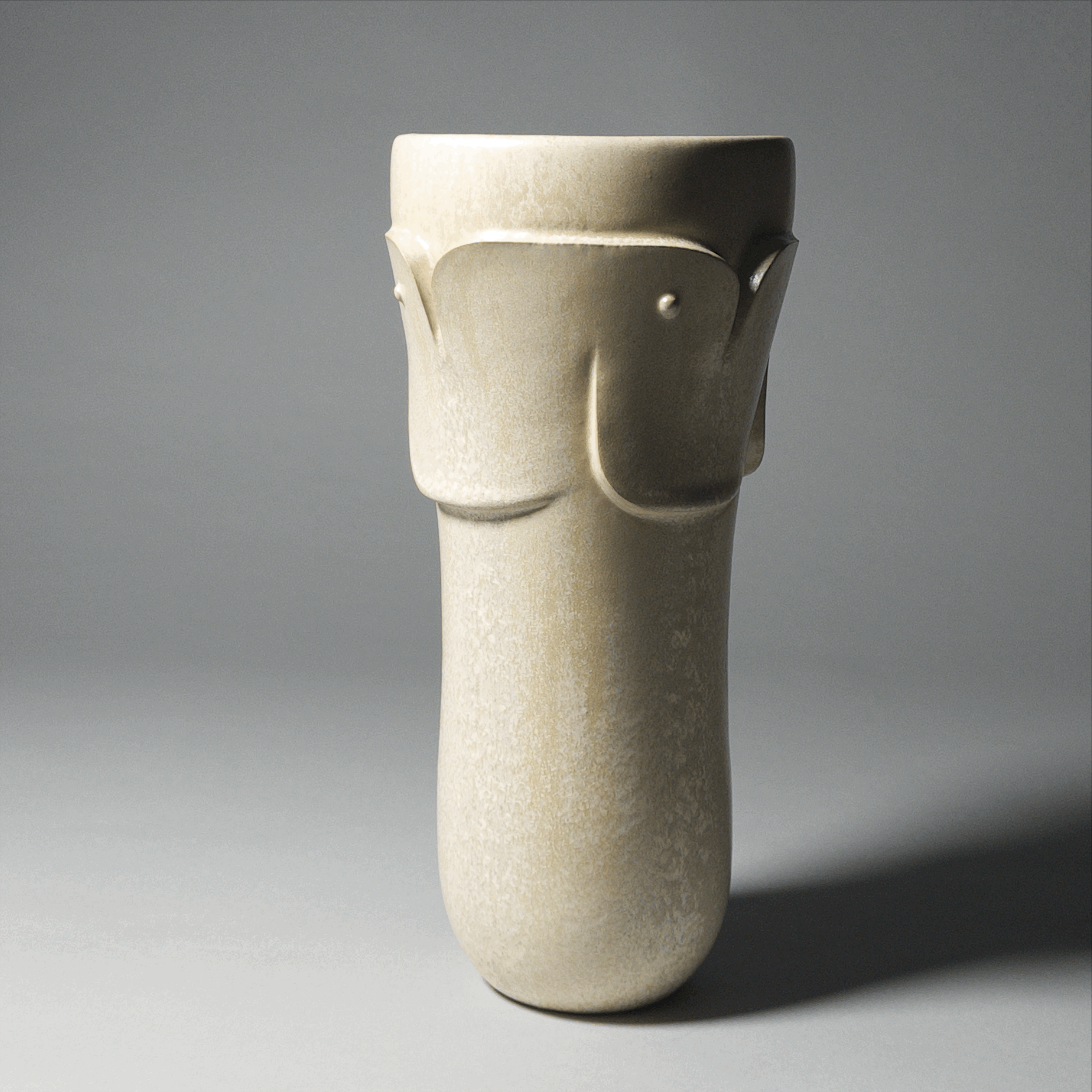 Image 5 of 9
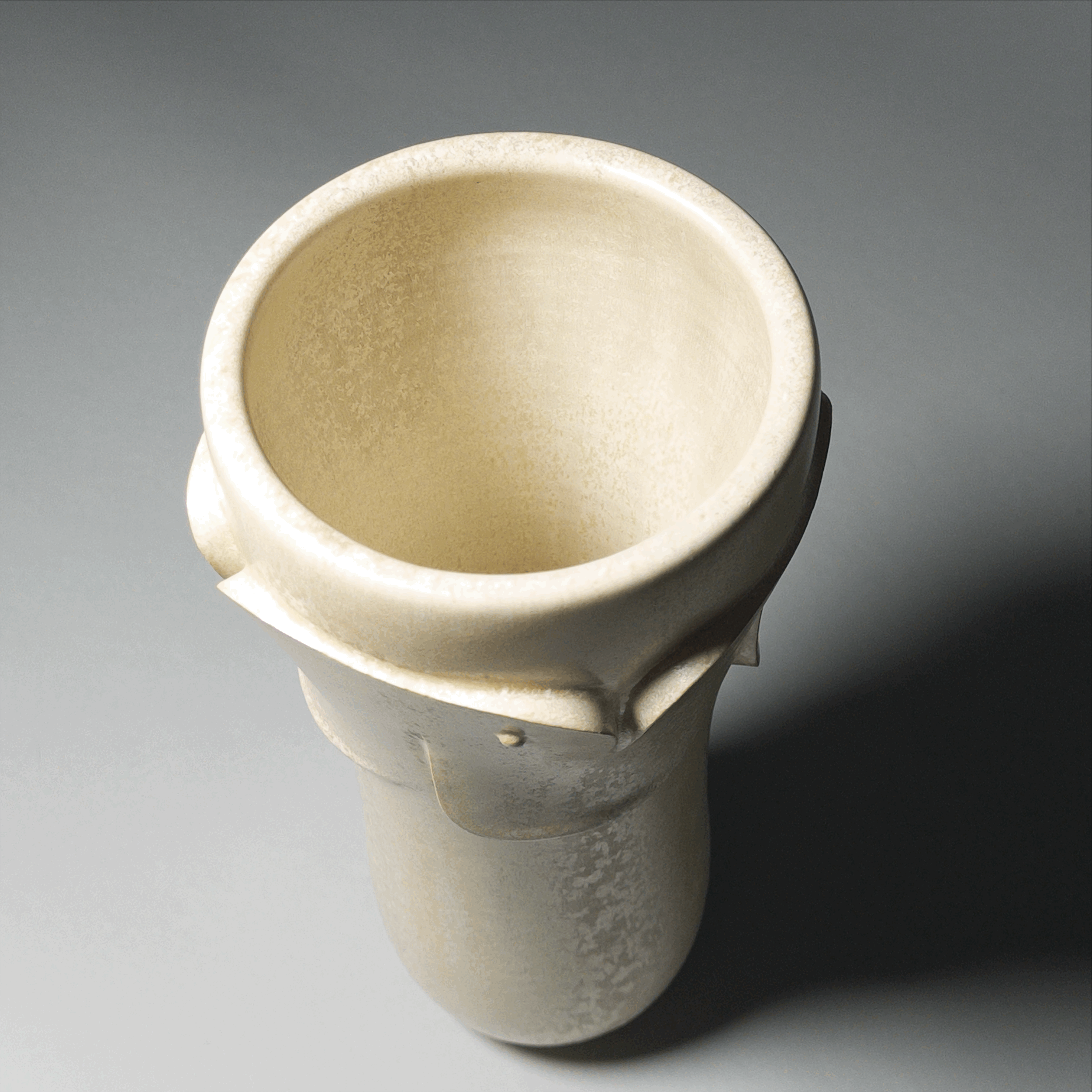 Image 6 of 9
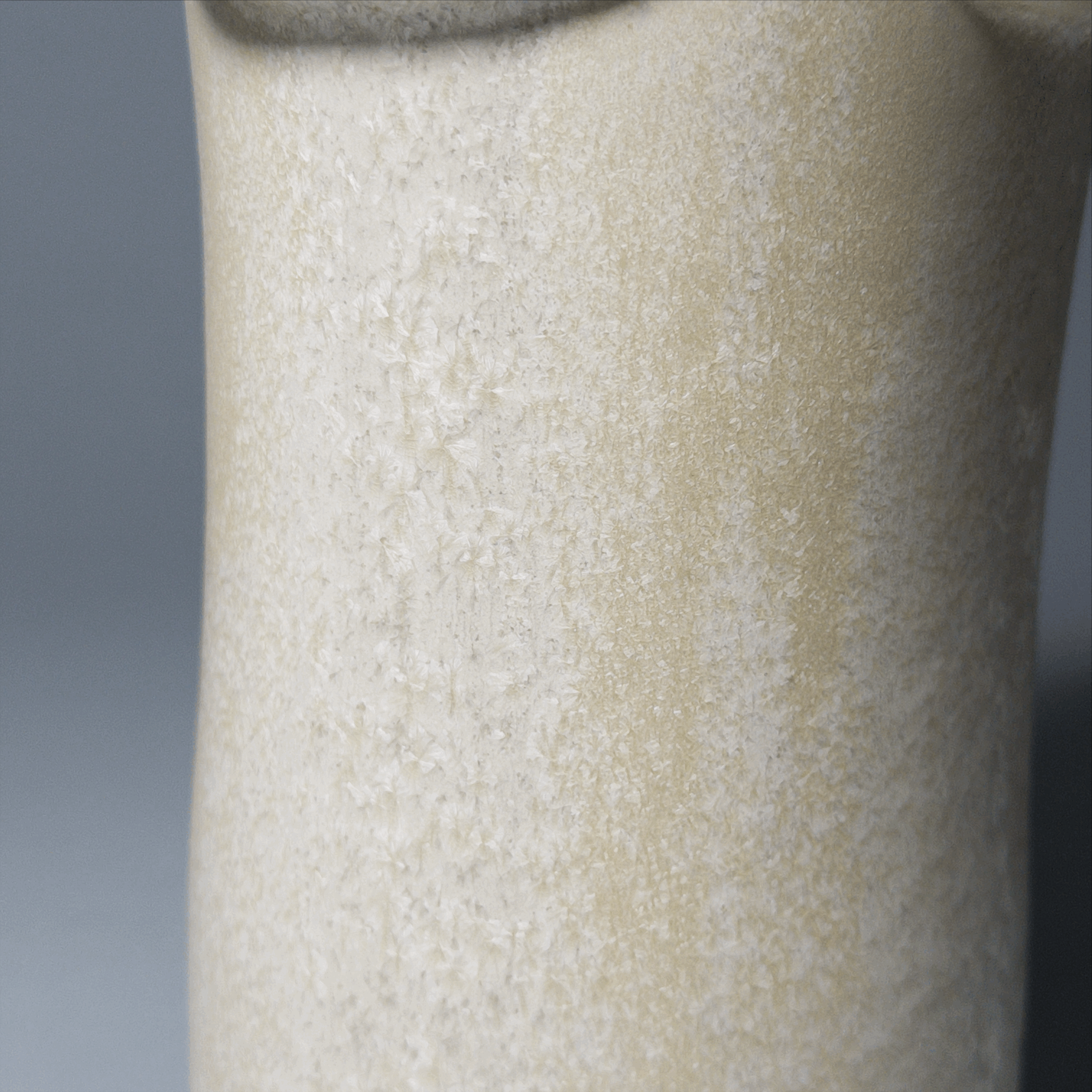 Image 7 of 9
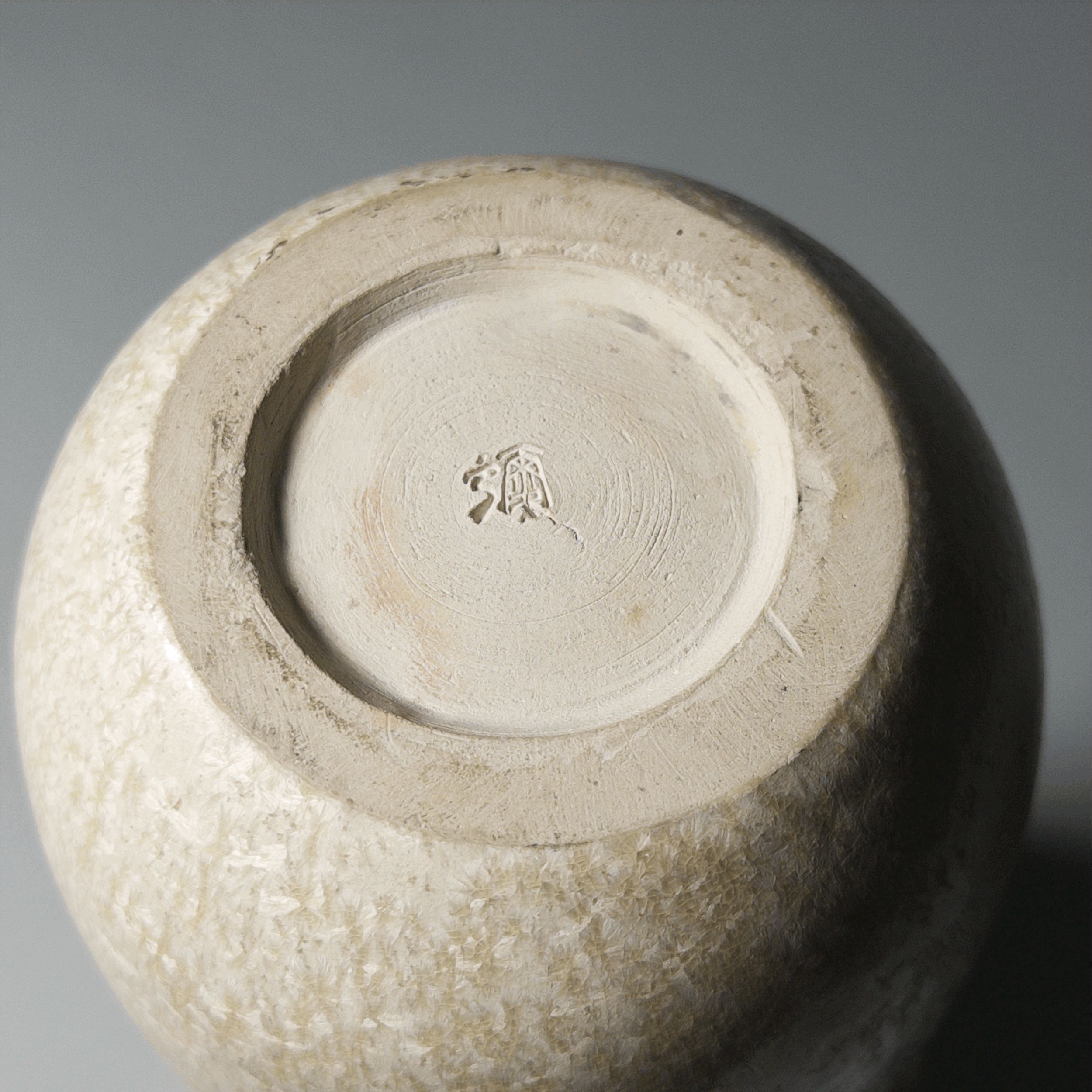 Image 8 of 9
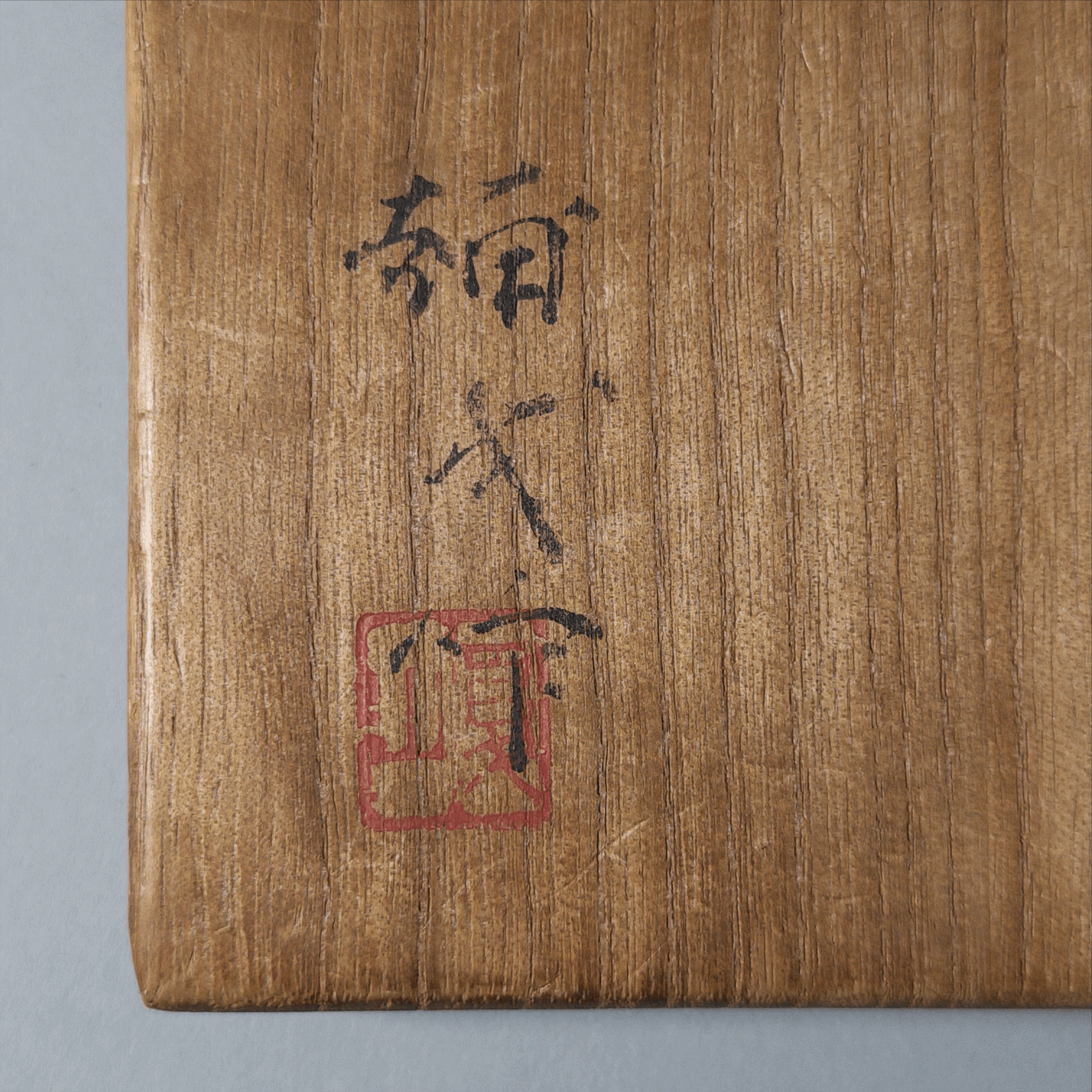 Image 9 of 9