Kyoto, Japan
Edo Period (1615-1868), 17th century
Delicately carved from a piece of bamboo, the scoop with a powerful angular bend. Together with a signed tube with silver staple repairs, and triple boxed with multiple authenticity inscriptions (hakogaki). Cat. 174
17.5cm long
Kobori Gonjūrō (小堀権十郎, 1625–1694), also known by his personal name Masatada (政尹) and art name Hōsetsu (篷雪), was a Japanese samurai, tea practitioner, calligrapher and painter of the early Edo period. The third son of the celebrated tea master and artist Kobori Enshū (1579–1647), he inherited his father's interests in the arts of tea, calligraphy and painting, studying under him from an early age. He received a fief of 1,000 koku from his elder brother Masayuki and became known for his accomplishments in tea ceremony, landscape painting and ceramics. His surviving calligraphy includes waka poetry and literary compositions, executed in a refined yet expressive manner, reflecting the cultivated aesthetic traditions of the Kobori family and the Enshū school of tea. He is also associated with the practice of kirei-sabi, the elegant and restrained aesthetic developed by his father, which brought together classical refinement and the understated beauty of the tea ceremony.

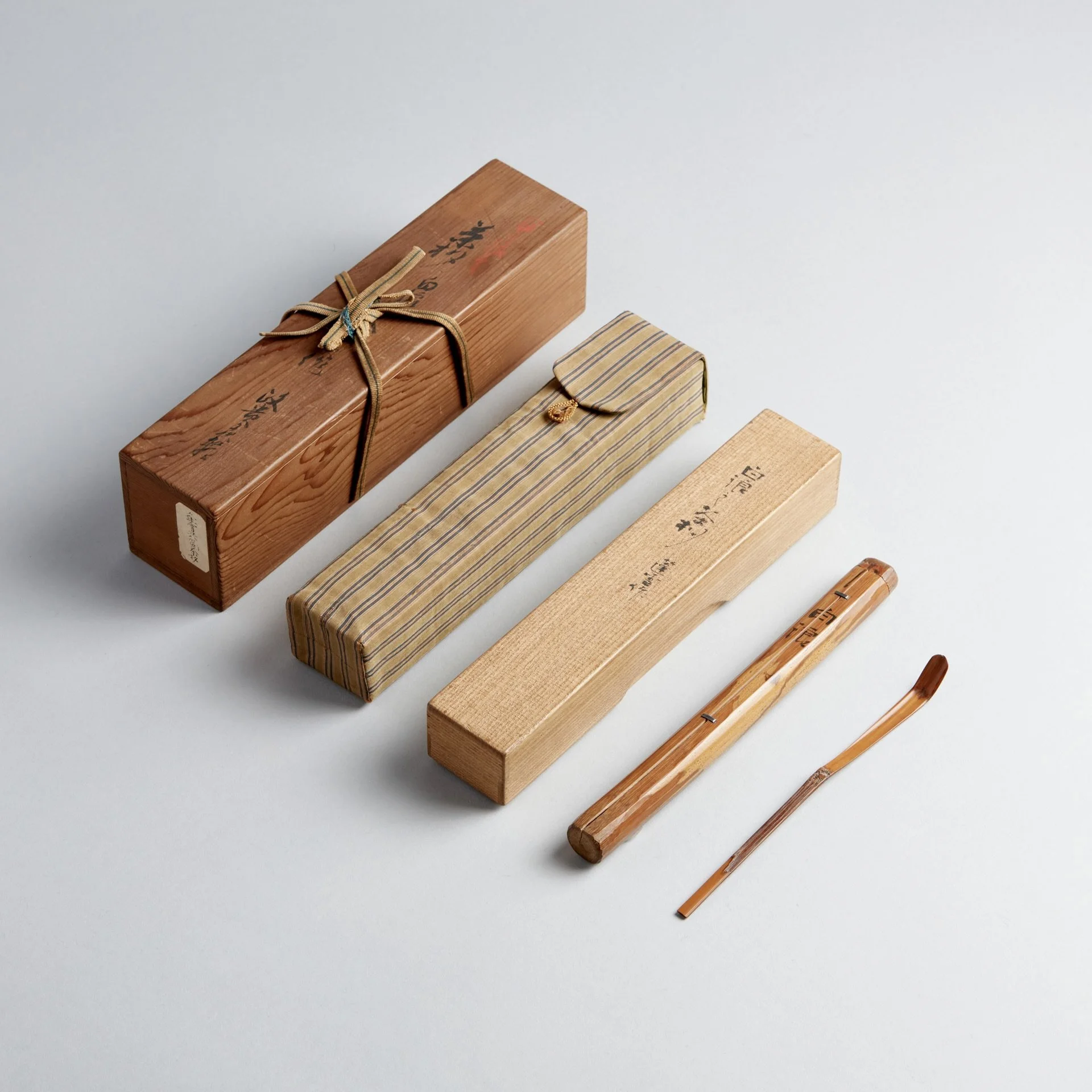 Image 1 of 9
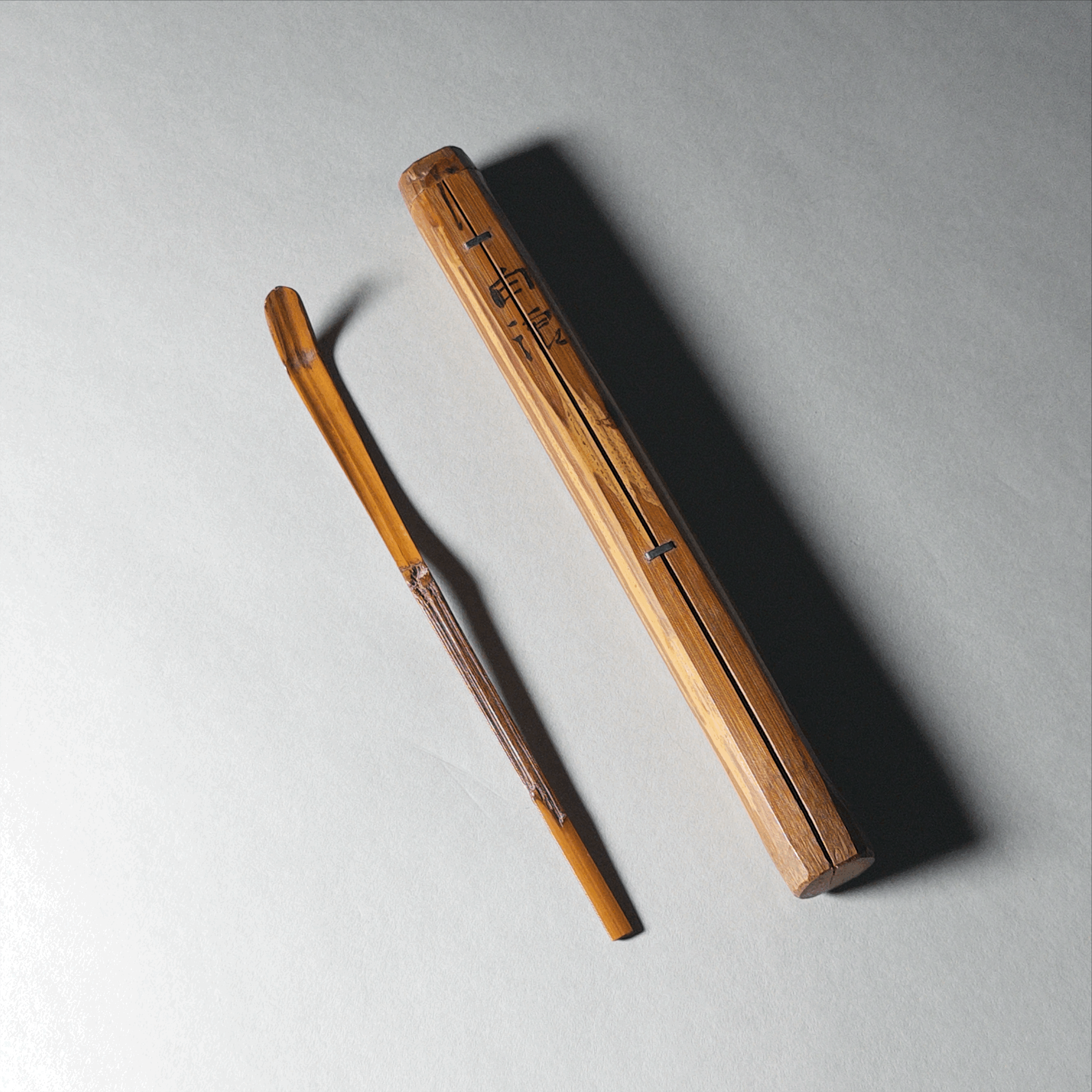 Image 2 of 9
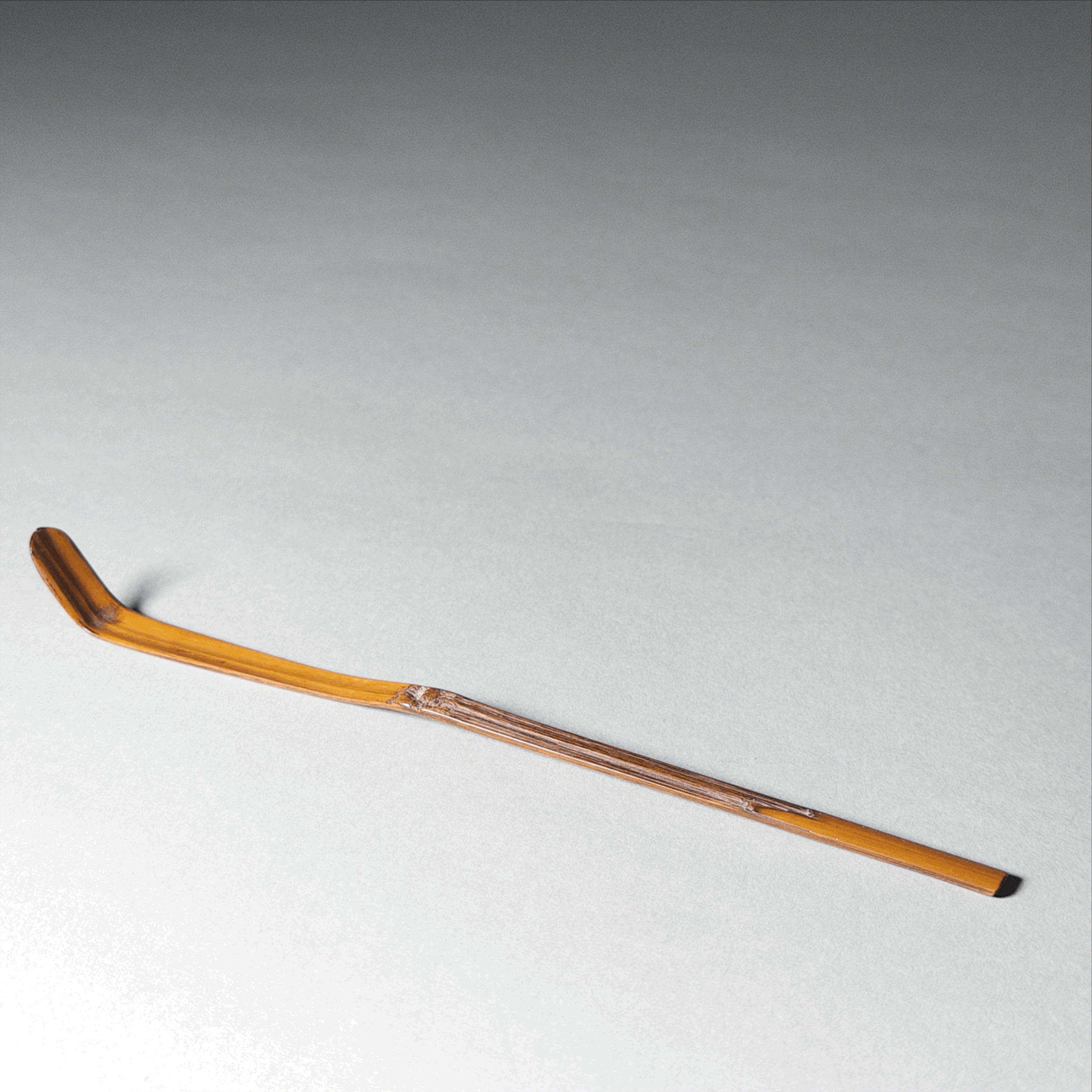 Image 3 of 9
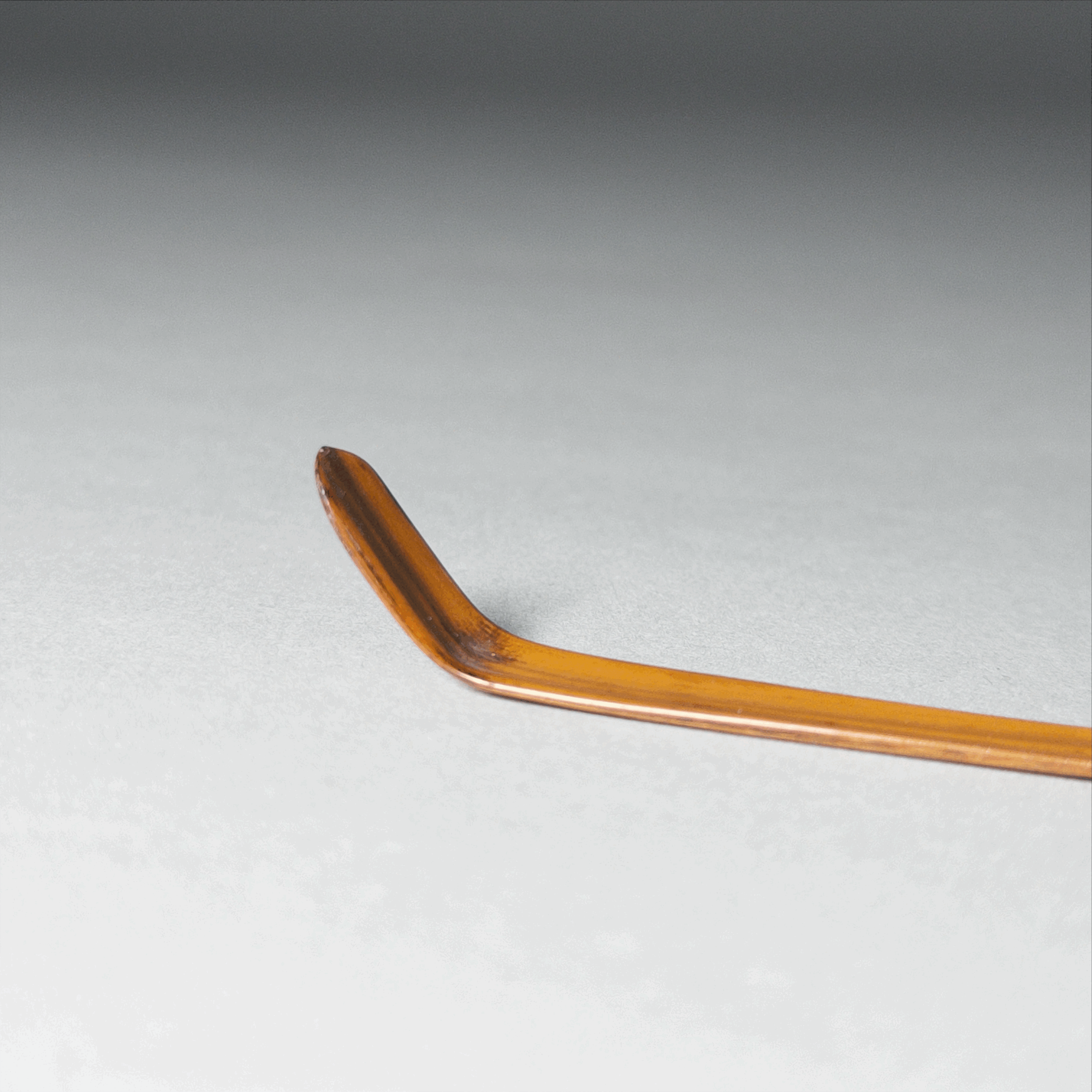 Image 4 of 9
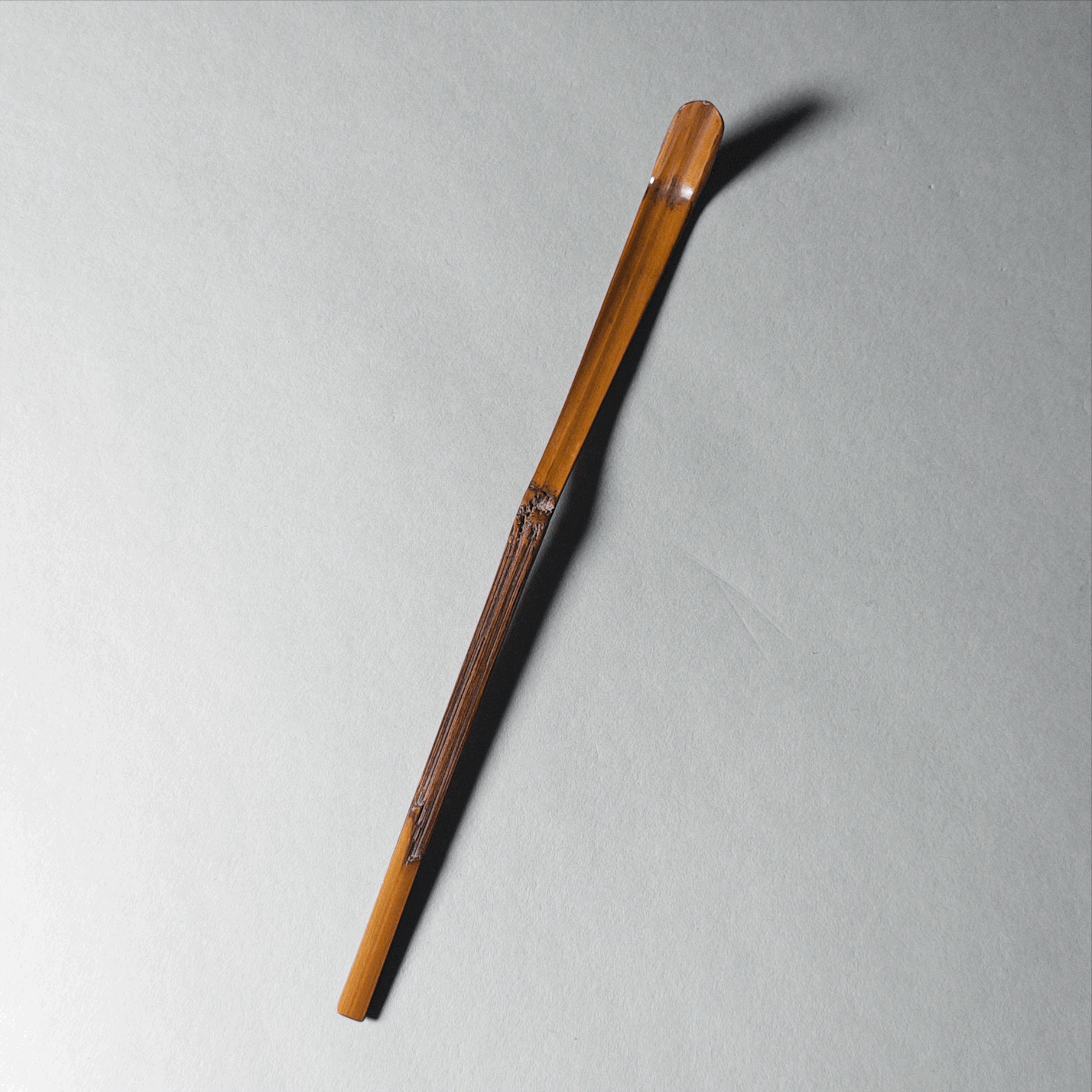 Image 5 of 9
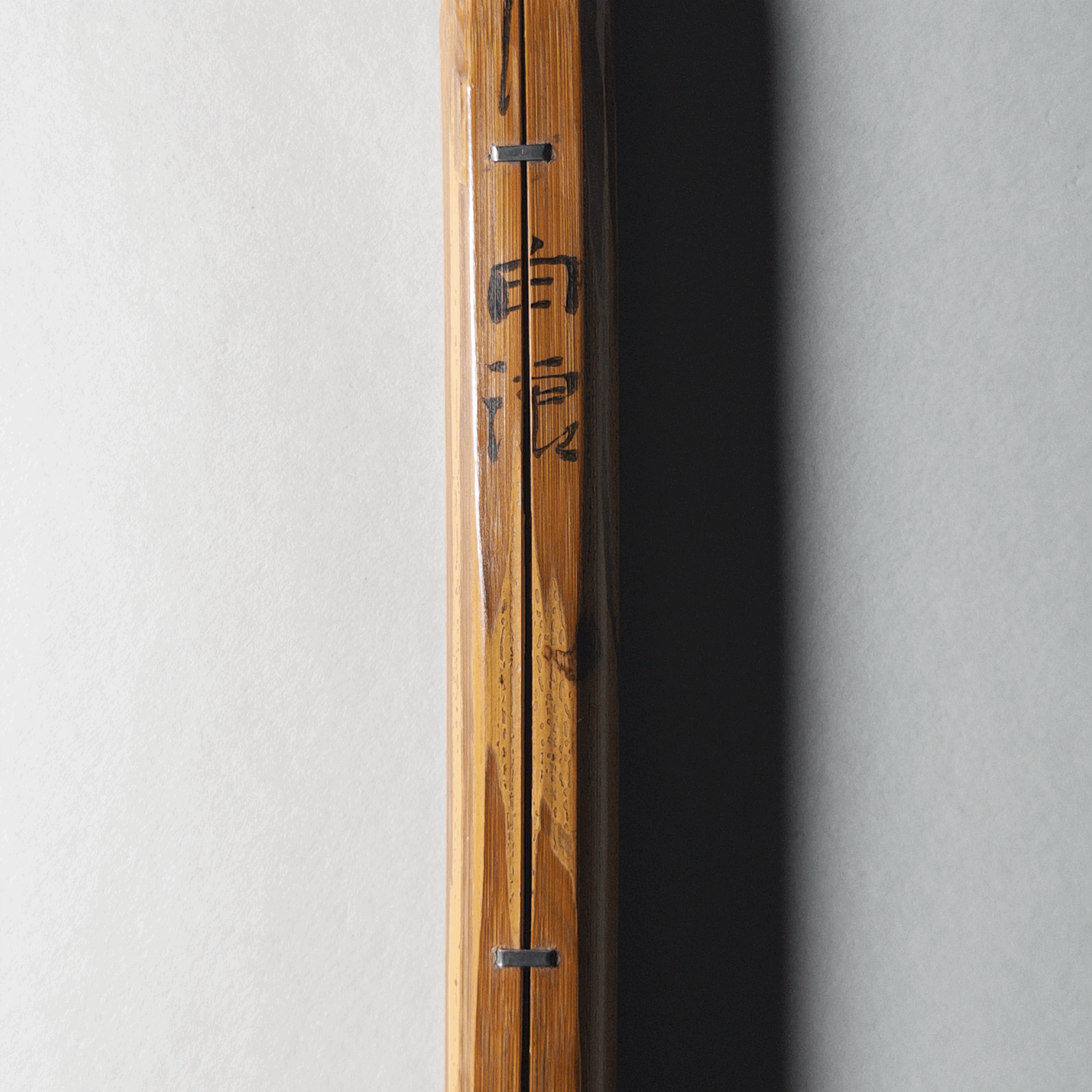 Image 6 of 9
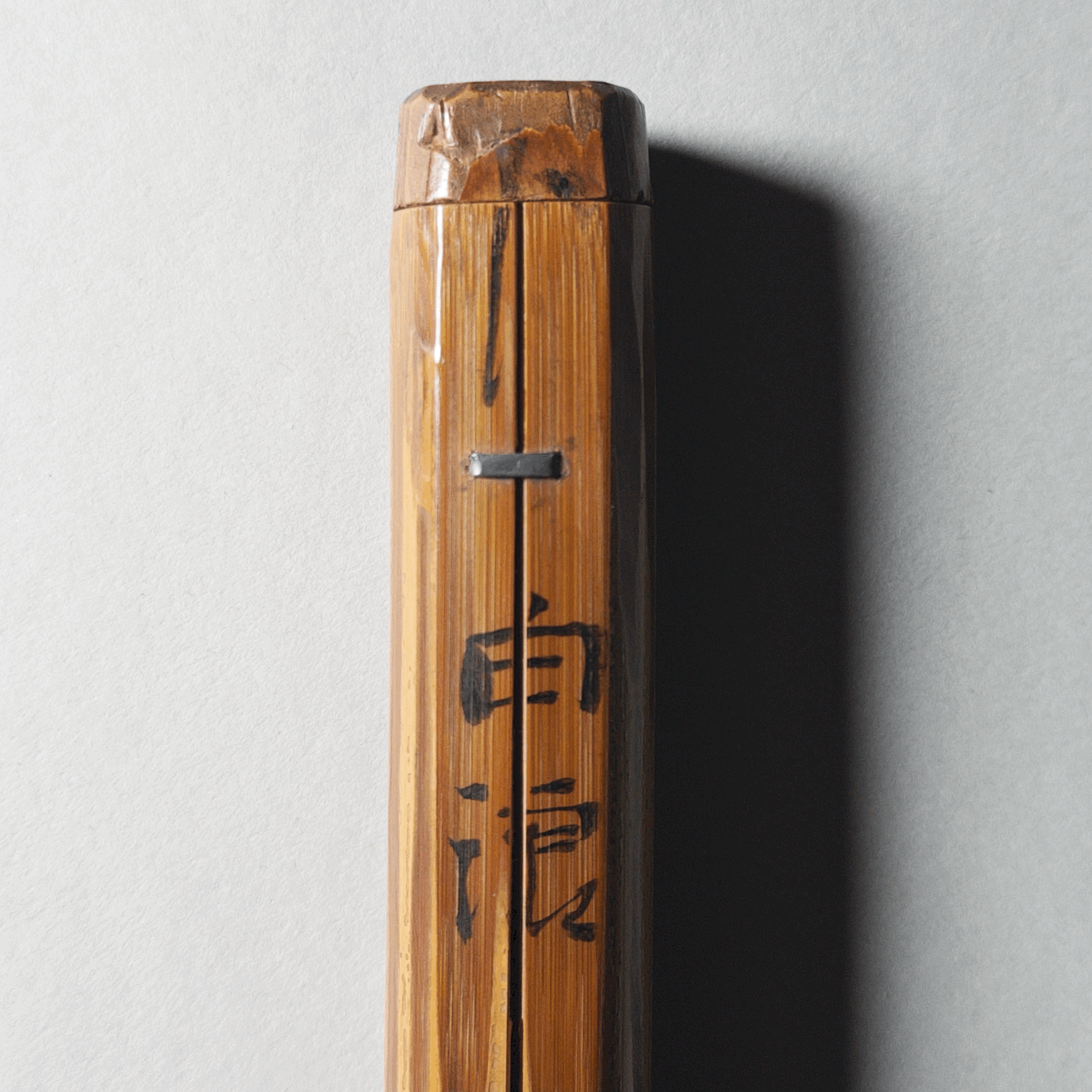 Image 7 of 9
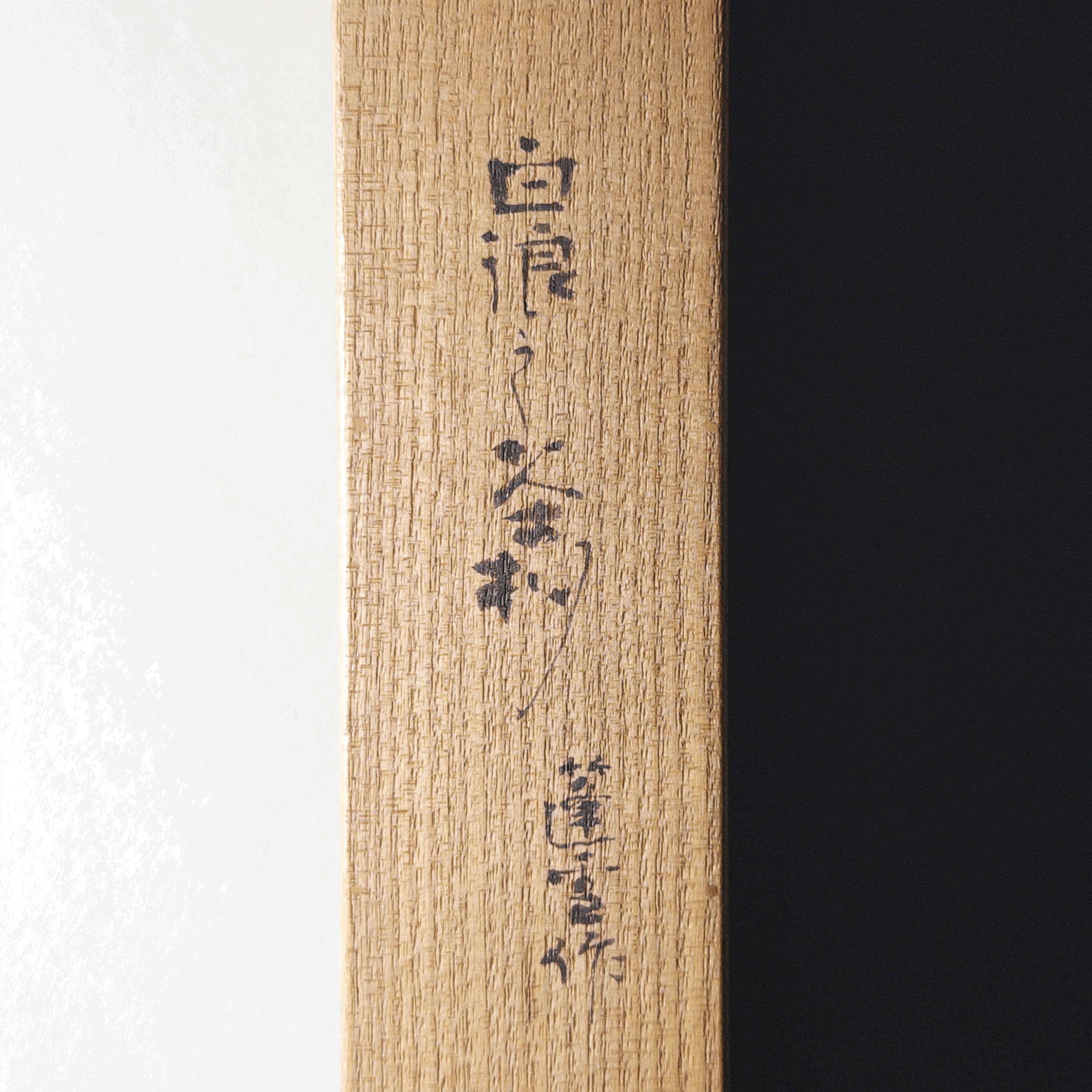 Image 8 of 9
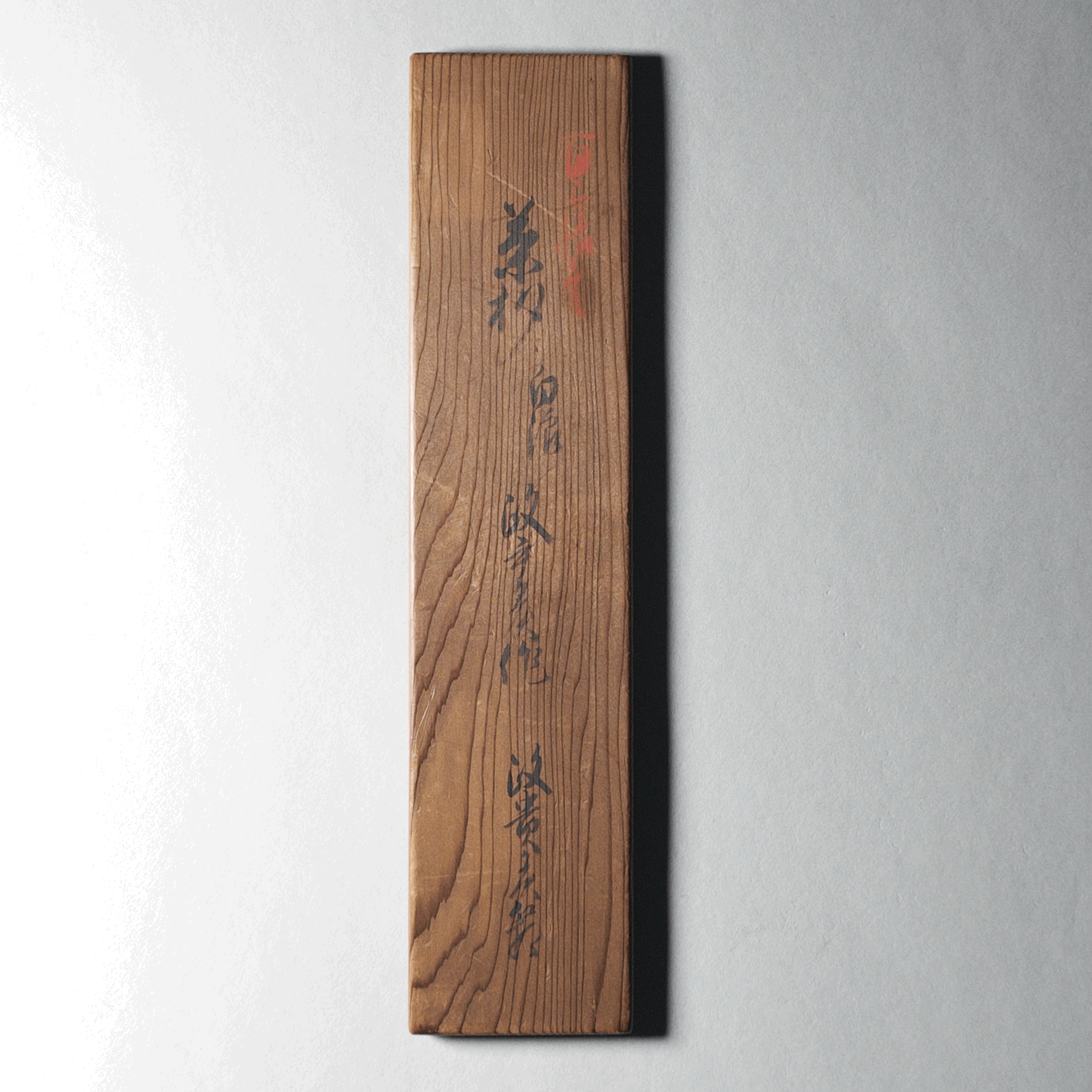 Image 9 of 9