Kyoto, Japan
Edo Period (1615-1868), c. mid 17th century
Carved from a piece of bamboo, the scoop with a powerful angular bend. Together with a signed tube and multiple boxes with authenticity inscriptions (hakogaki). Cat. 175
17.5cm long. Tripled boxed
Katagiri Sekishū (片桐石州, 1605–1673) was a Japanese daimyō, Zen practitioner and distinguished tea master of the early Edo period, renowned as the founder of the Sekishū school of tea ceremony. Born Katagiri Sadamasa, he inherited the lordship of the Koizumi domain in Yamato Province (present-day Nara Prefecture) in 1627. He studied the Way of Tea under Kuwayama Sōsen, a disciple of Sen no Dōan, son of Sen no Rikyū, and developed a distinctive approach to chanoyu grounded in Rikyū's principles of wabi-cha, while incorporating the formal elegance and cultivated sensibilities appropriate to the samurai class. Associated with leading cultural figures including Kobori Enshū, Kanamori Sōwa and Shōkadō Shōjō, Sekishū became tea instructor to the fourth Tokugawa shogun, Ietsuna, in 1665, succeeding Enshū in this influential position. His style became particularly popular among the warrior aristocracy and was widely practised by daimyō throughout the Edo period. He also practised calligraphy, painting and the making of tea utensils, particularly bamboo tea scoops, and his teachings were recorded in the Sekishū Sambyakujō (Three Hundred Articles of Sekishū).

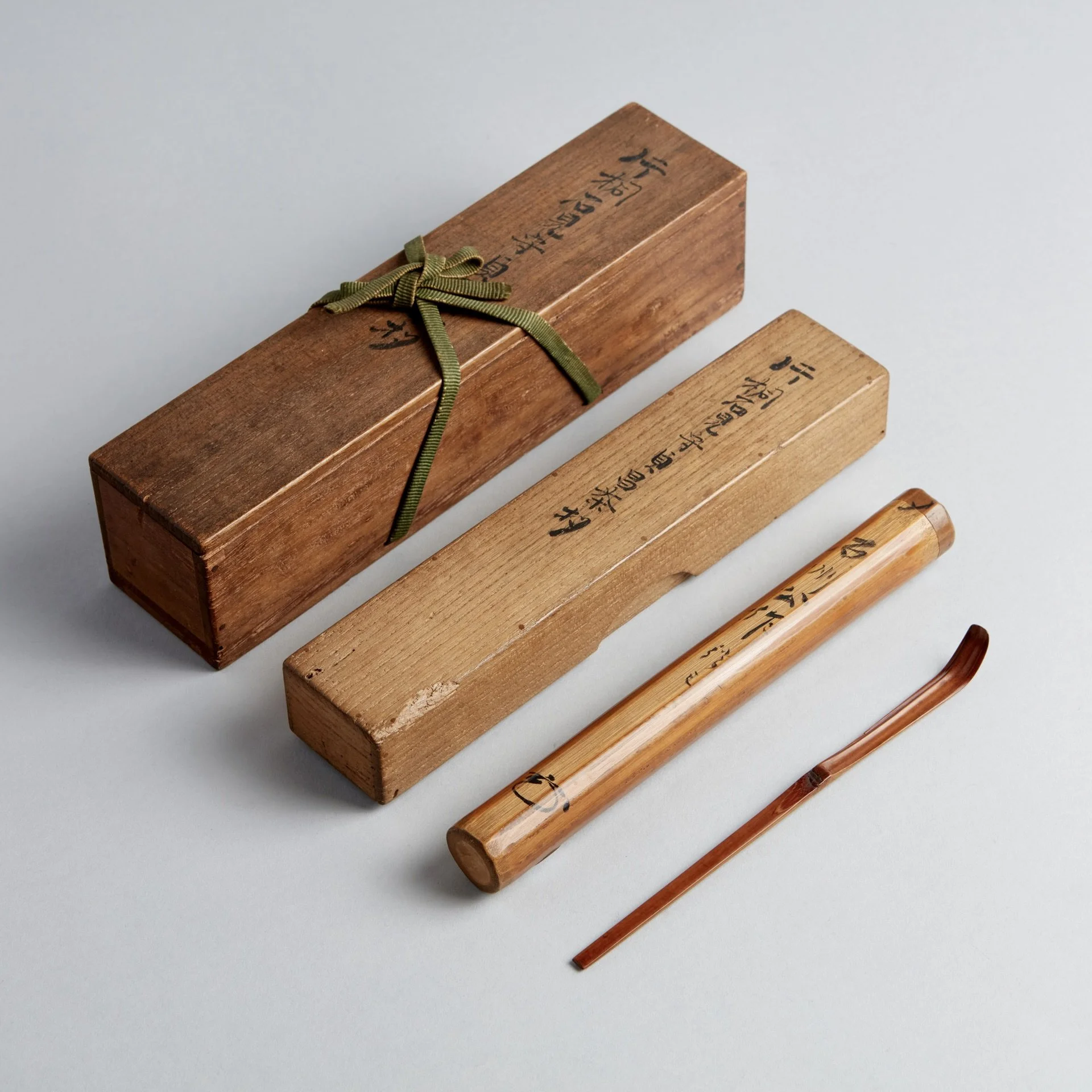 Image 1 of 8
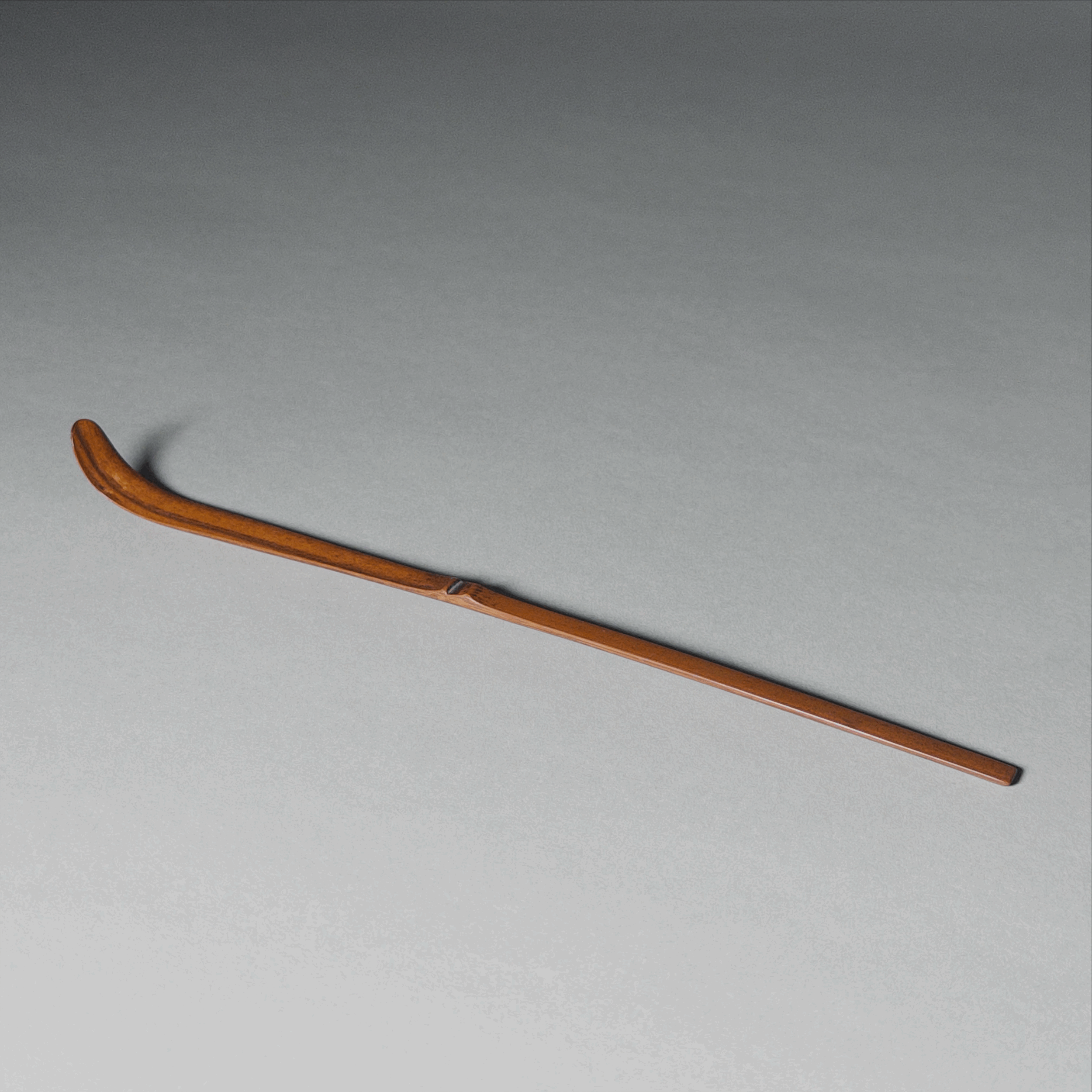 Image 2 of 8
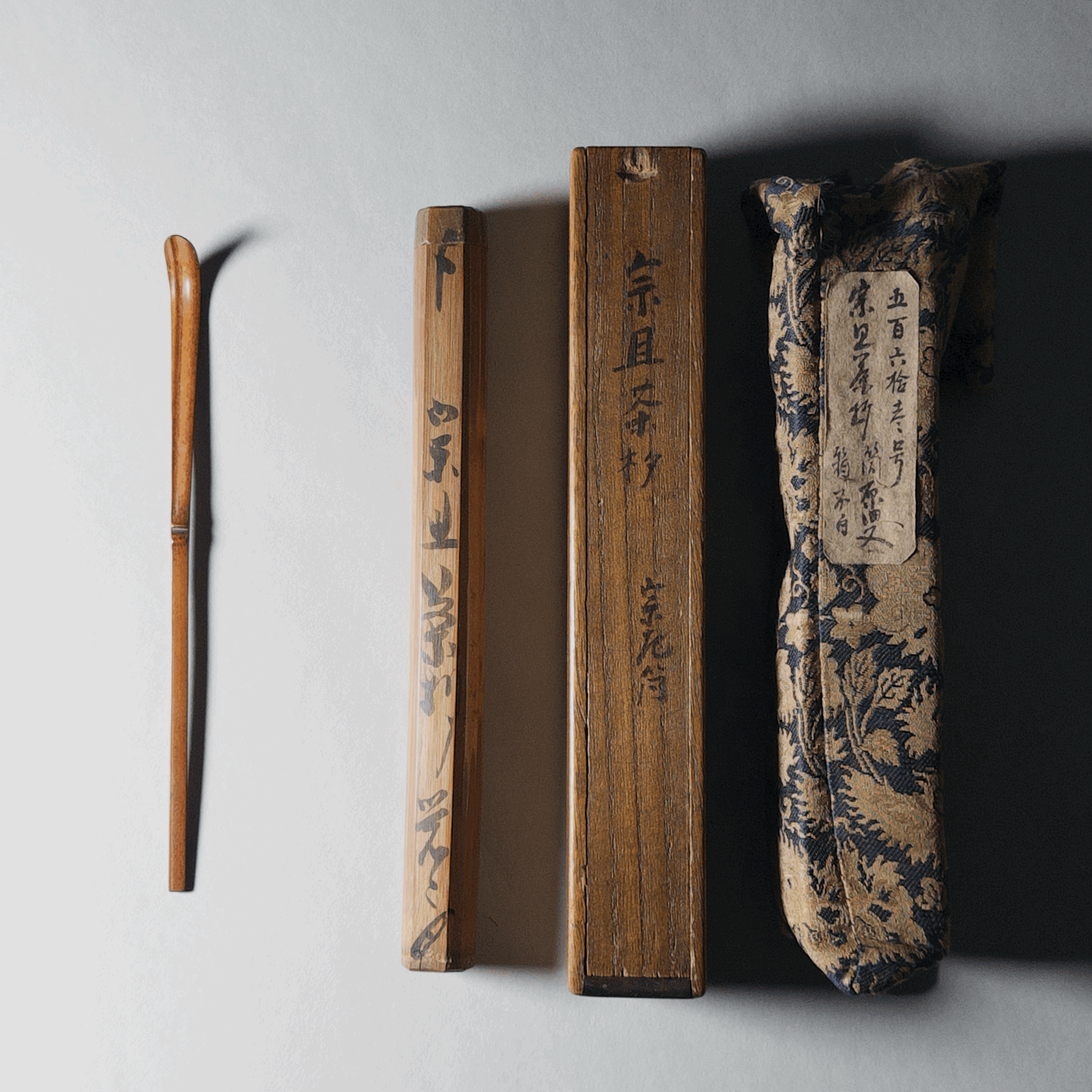 Image 3 of 8
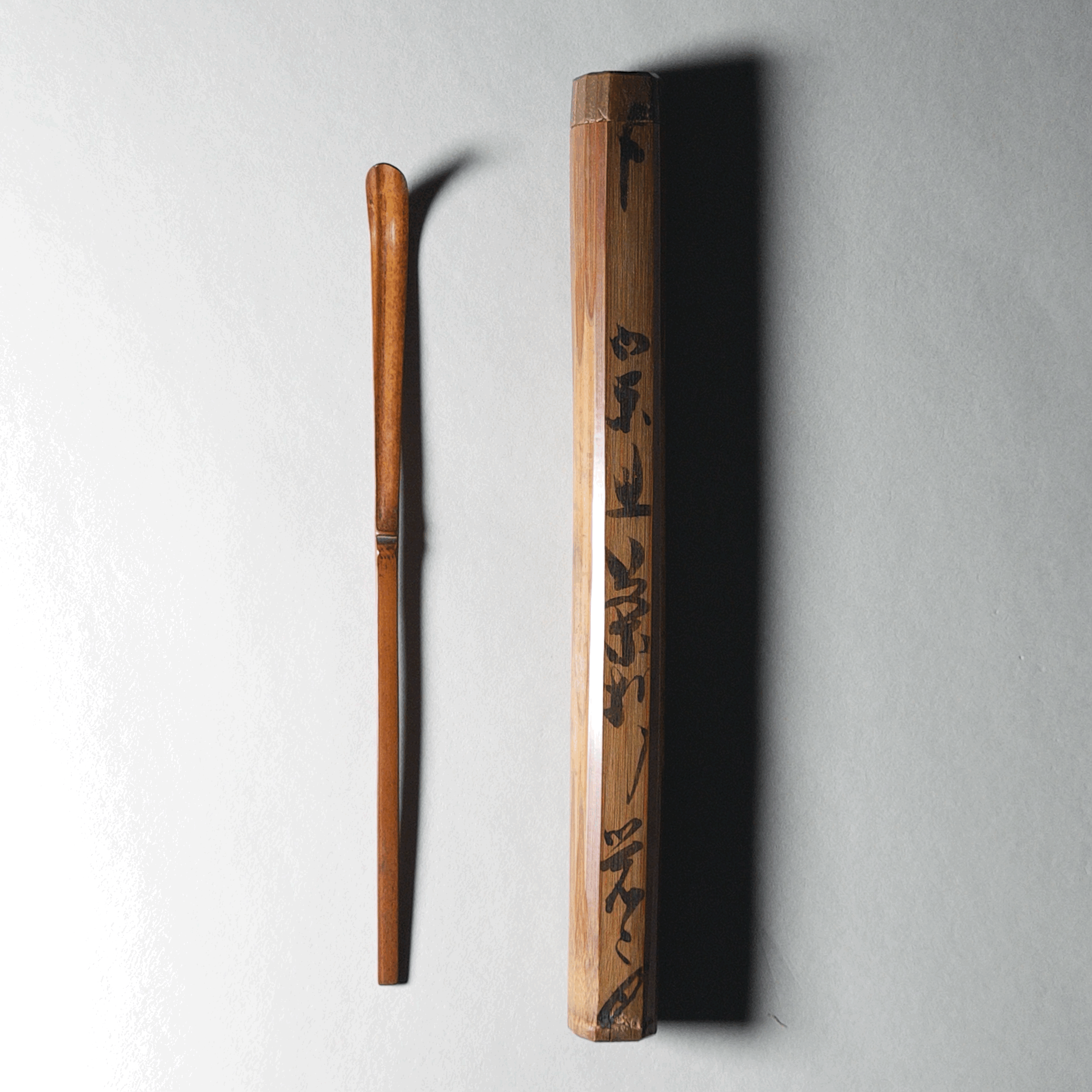 Image 4 of 8
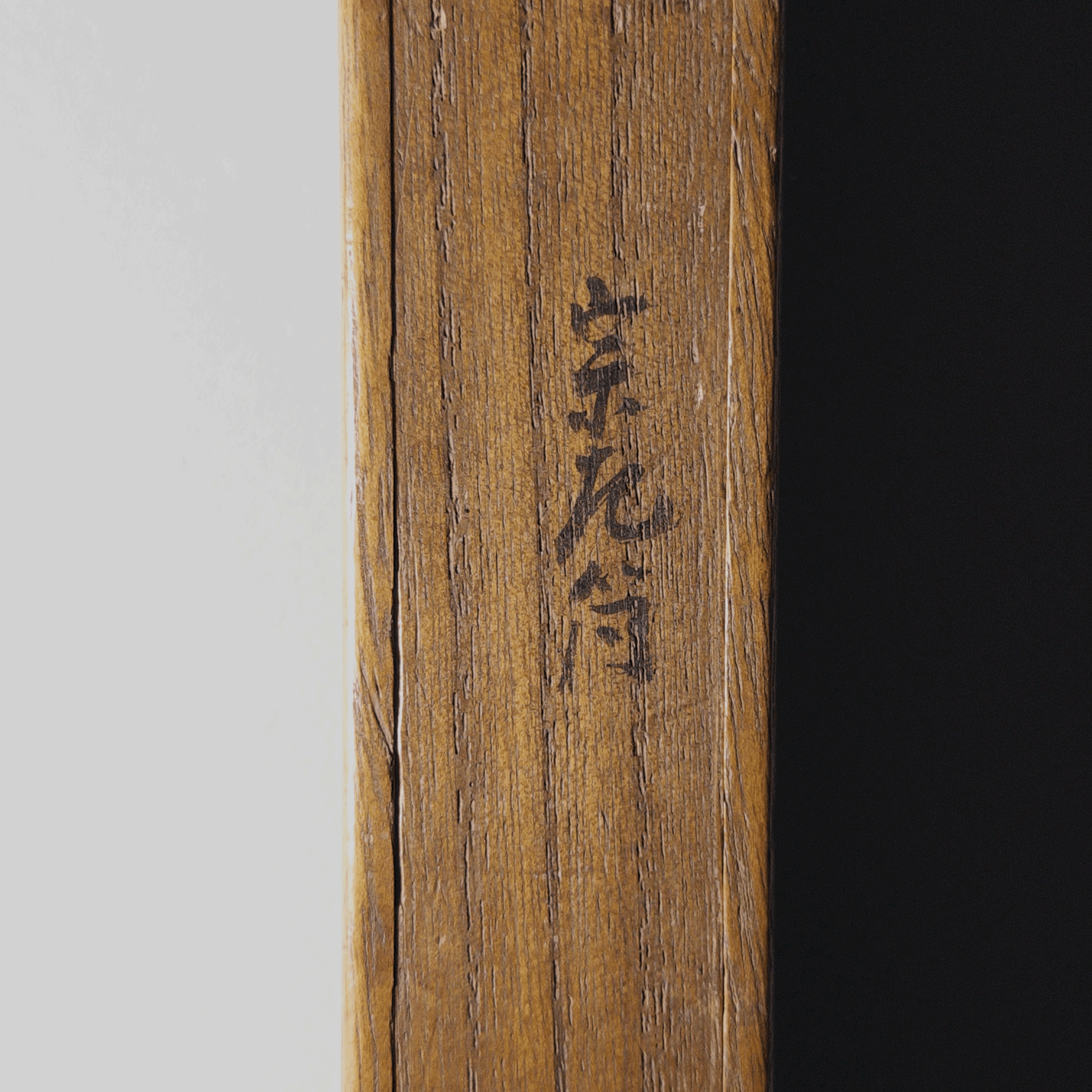 Image 5 of 8
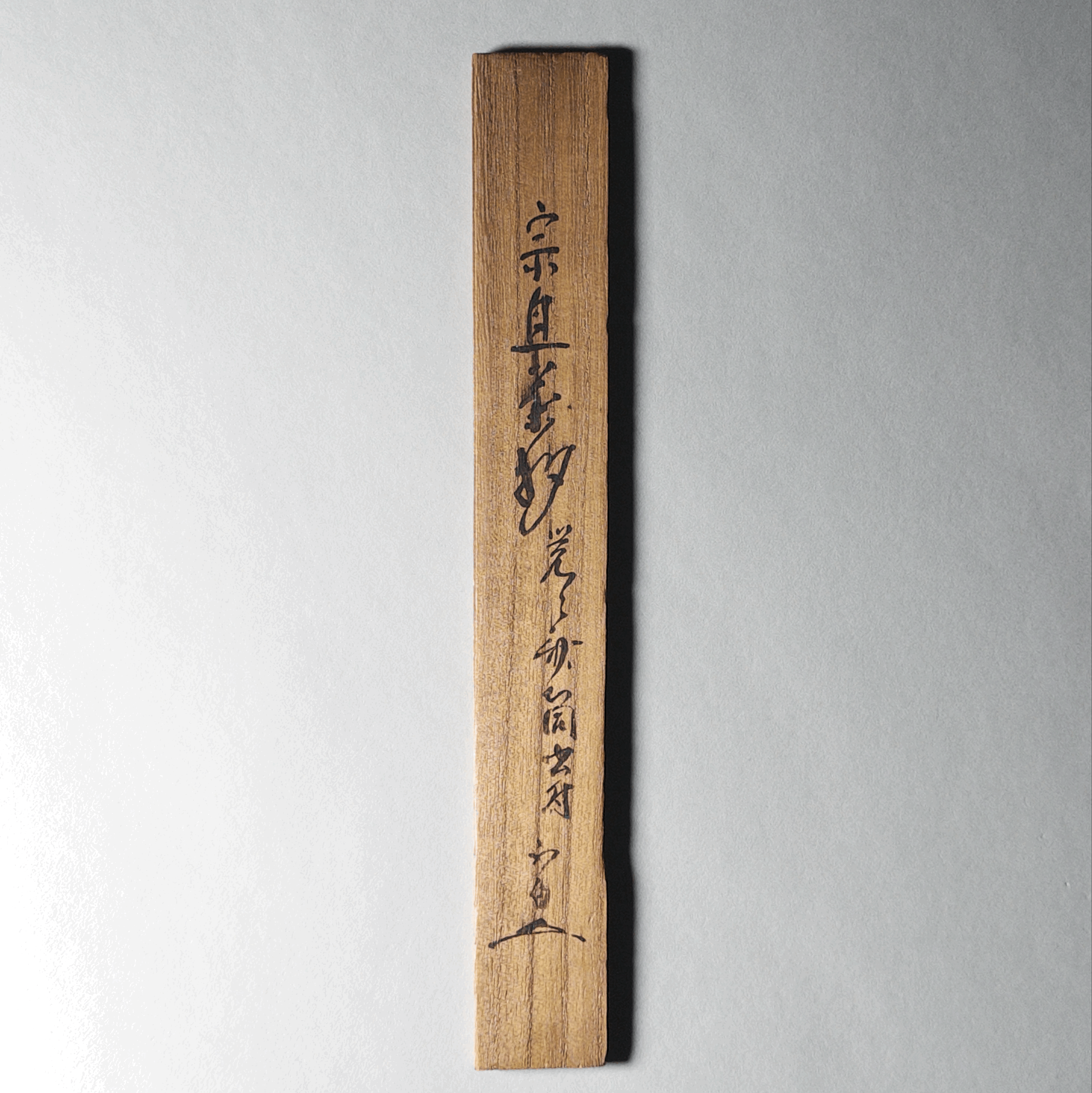 Image 6 of 8
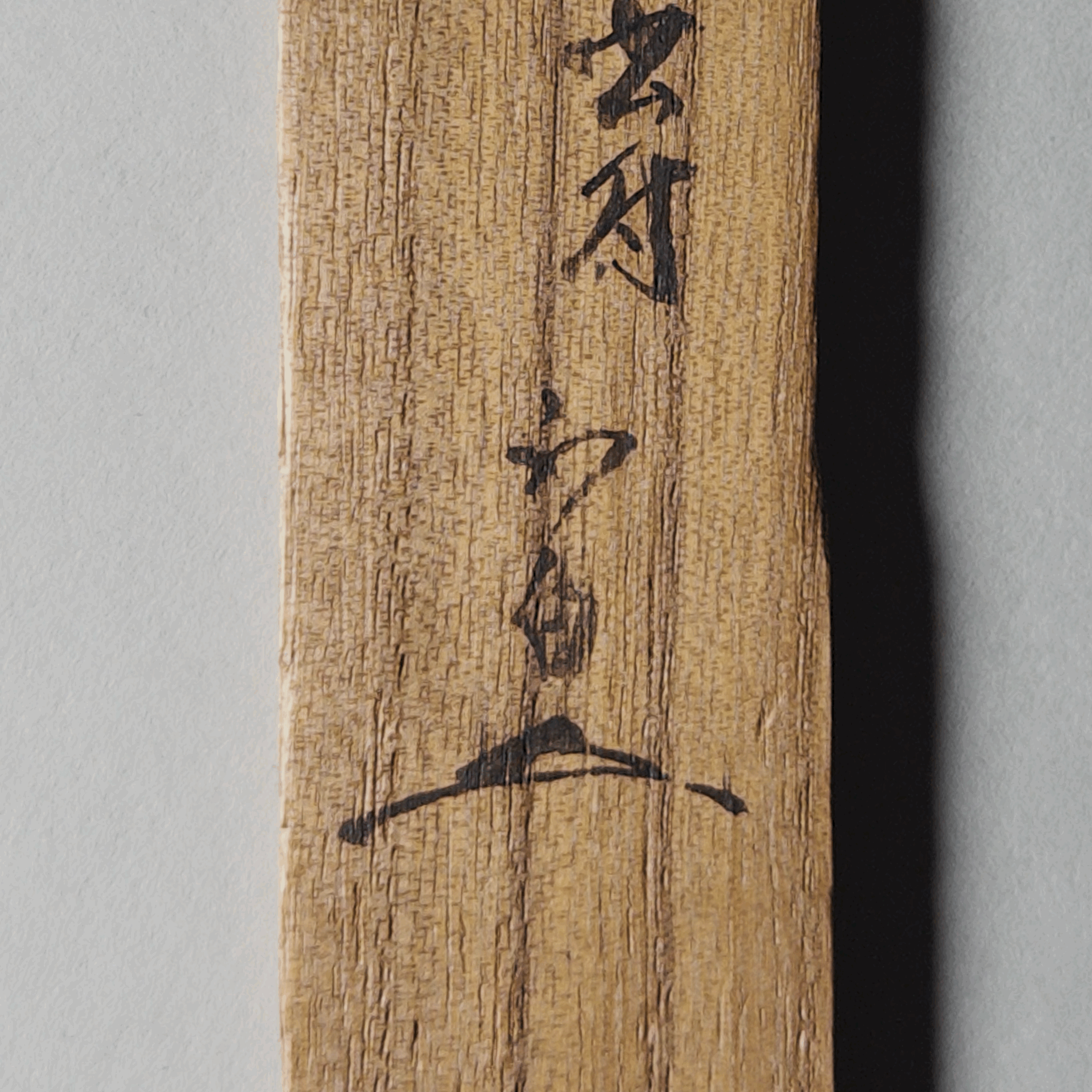 Image 7 of 8
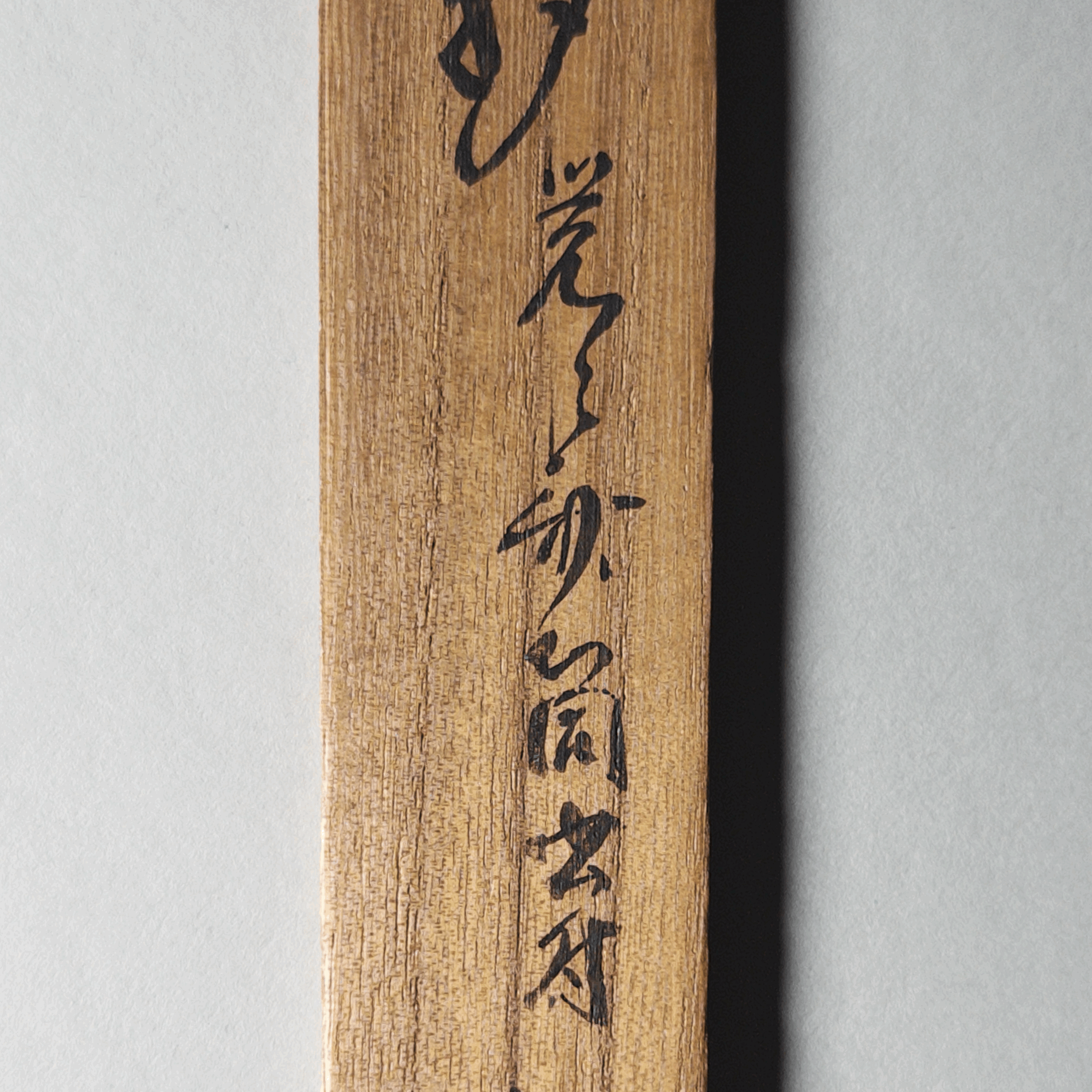 Image 8 of 8