Kyoto, Japan
Meiji Period (1868-1912), c. 1900
Potted in porcelain in a form influenced by Chinese bamboo-neck vases of the Song and middle Qing Dynasties, thickly covered in a rich green tea-dust glaze. 20cm high, 11cm diameter. Together with a fitted, finely carved hardwood stand, its tomobako (original wooden box signed and sealed by Chikusen) and its original cotton wrapping cloth with artist’s seal.
Cat. 594
Miura Chikusen I
Chikusen I (初代 三浦竹泉, 1854–1915) was an important Kyoto potter, painter and calligrapher active in the late Meiji period, celebrated for his contributions in elevating Kyoyaki into a refined, literati-informed art form, and a key figure in the sencha (Chinese style tea) movement. Deeply engaged with sencha culture and its Chinese scholarly ideals, Chikusen moved within sencha circles in Kyoto and produced tea wares such as teapots and cups, and also scholar’s objects and vases specifically suited to this practice. He often incorporated poetic inscriptions and motifs derived from Chinese literati painting and culture in his underglaze blue and enamel decorated wares, but also produced wonderful monochromes and was highly adept at working with glazes and with porcelain. Trained initially in painting and classical Chinese aesthetics, he then apprenticed under Takahashi Dohachi III (1811-1879) from 1867, and opened his own kiln in 1883. He became especially renowned for elegant blue and white and finely modelled porcelain, and glazes influenced by historical Chinese ceramics. Exhibiting widely in Japan and abroad and patronised by cultured elites, Chikusen I was pivotal in modernising Kyoto ceramic art while remaining at all times rooted in the literati/sencha tradition, a legacy continued by successive generations of the Miura Chikusen lineage.
Kyoto, Japan
Meiji Period (1868-1912), c. 1900
Potted in porcelain in a form influenced by Chinese bamboo-neck vases of the Song and middle Qing Dynasties, thickly covered in a rich green tea-dust glaze. 20cm high, 11cm diameter. Together with a fitted, finely carved hardwood stand, its tomobako (original wooden box signed and sealed by Chikusen) and its original cotton wrapping cloth with artist’s seal.
Cat. 594
Miura Chikusen I
Chikusen I (初代 三浦竹泉, 1854–1915) was an important Kyoto potter, painter and calligrapher active in the late Meiji period, celebrated for his contributions in elevating Kyoyaki into a refined, literati-informed art form, and a key figure in the sencha (Chinese style tea) movement. Deeply engaged with sencha culture and its Chinese scholarly ideals, Chikusen moved within sencha circles in Kyoto and produced tea wares such as teapots and cups, and also scholar’s objects and vases specifically suited to this practice. He often incorporated poetic inscriptions and motifs derived from Chinese literati painting and culture in his underglaze blue and enamel decorated wares, but also produced wonderful monochromes and was highly adept at working with glazes and with porcelain. Trained initially in painting and classical Chinese aesthetics, he then apprenticed under Takahashi Dohachi III (1811-1879) from 1867, and opened his own kiln in 1883. He became especially renowned for elegant blue and white and finely modelled porcelain, and glazes influenced by historical Chinese ceramics. Exhibiting widely in Japan and abroad and patronised by cultured elites, Chikusen I was pivotal in modernising Kyoto ceramic art while remaining at all times rooted in the literati/sencha tradition, a legacy continued by successive generations of the Miura Chikusen lineage.

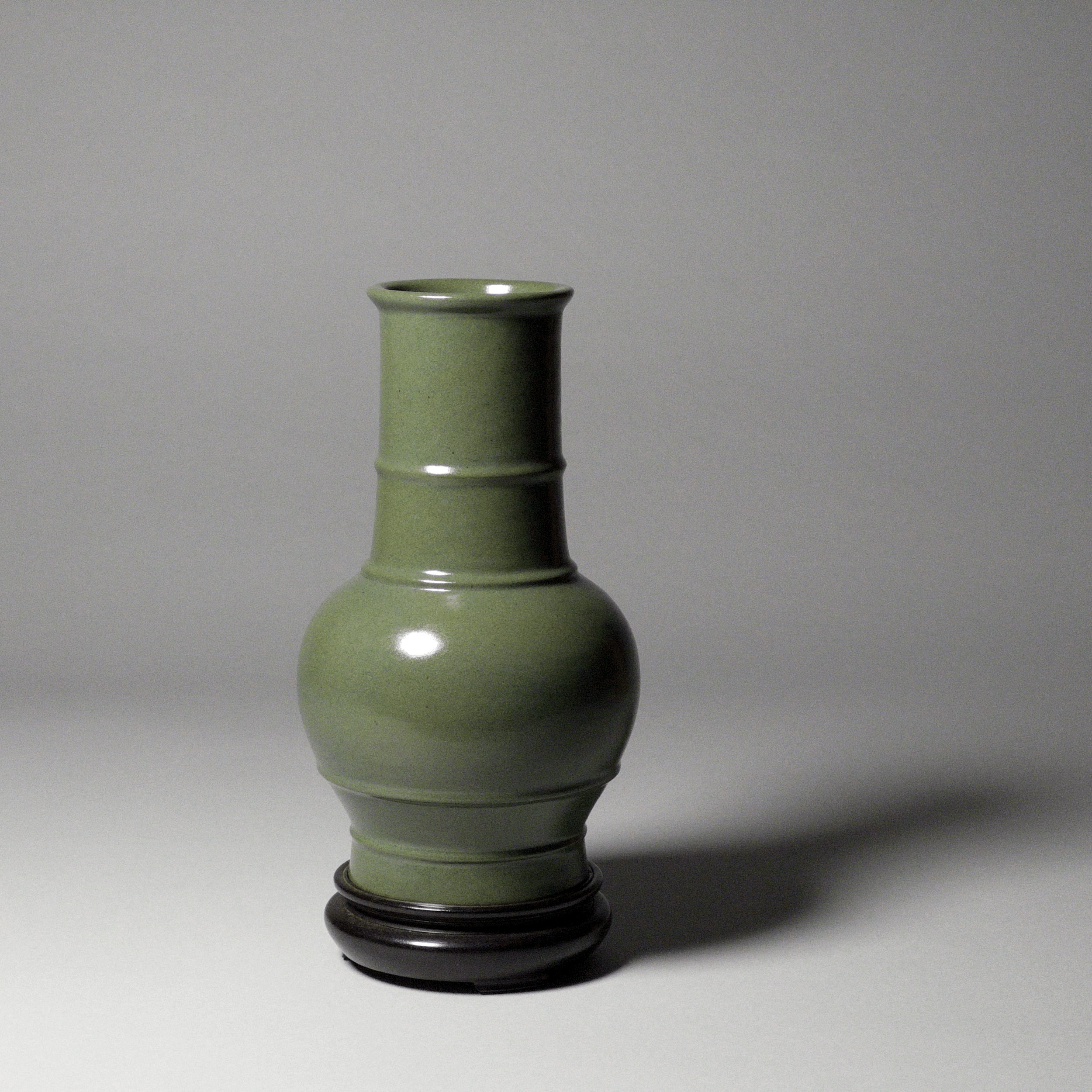 Image 1 of 10
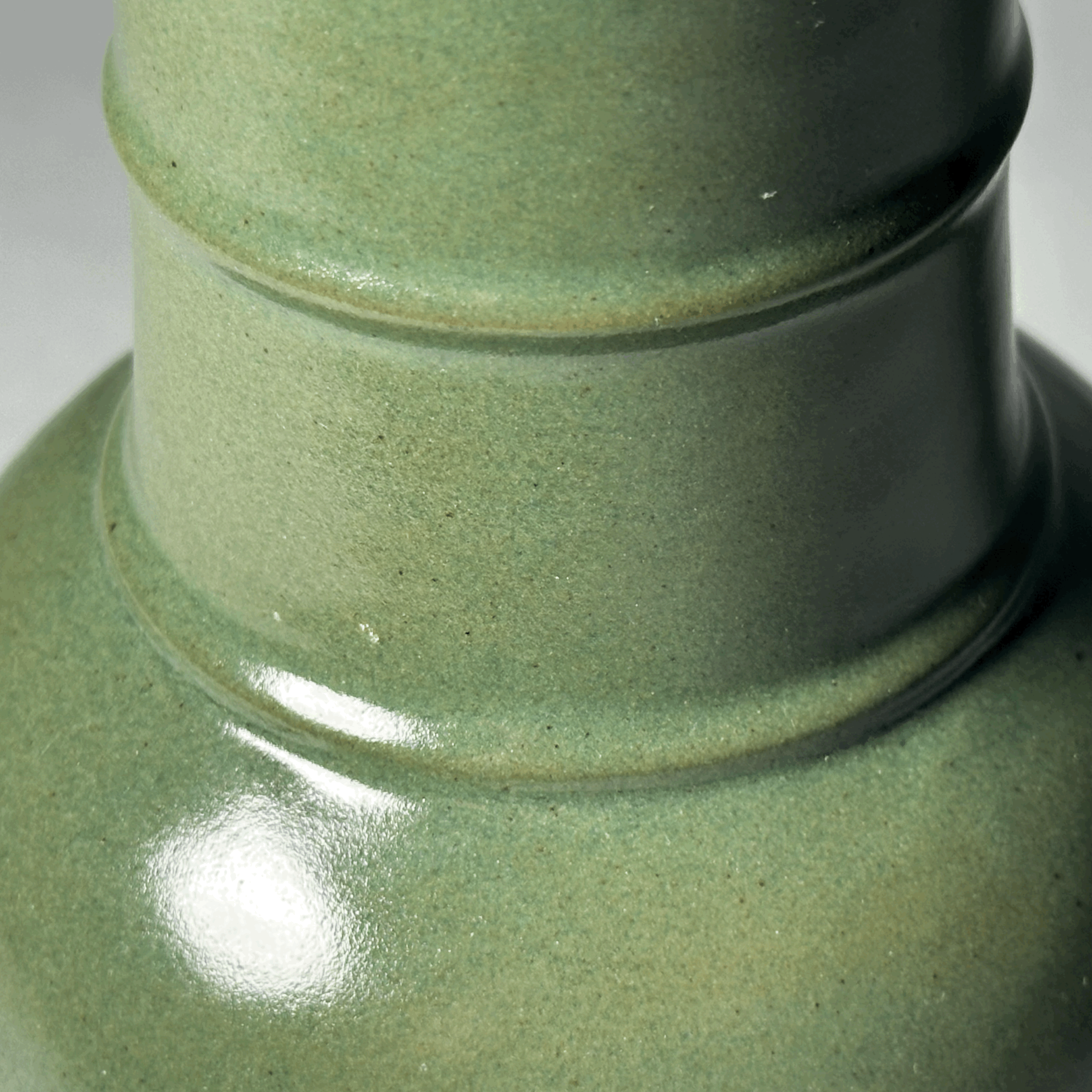 Image 2 of 10
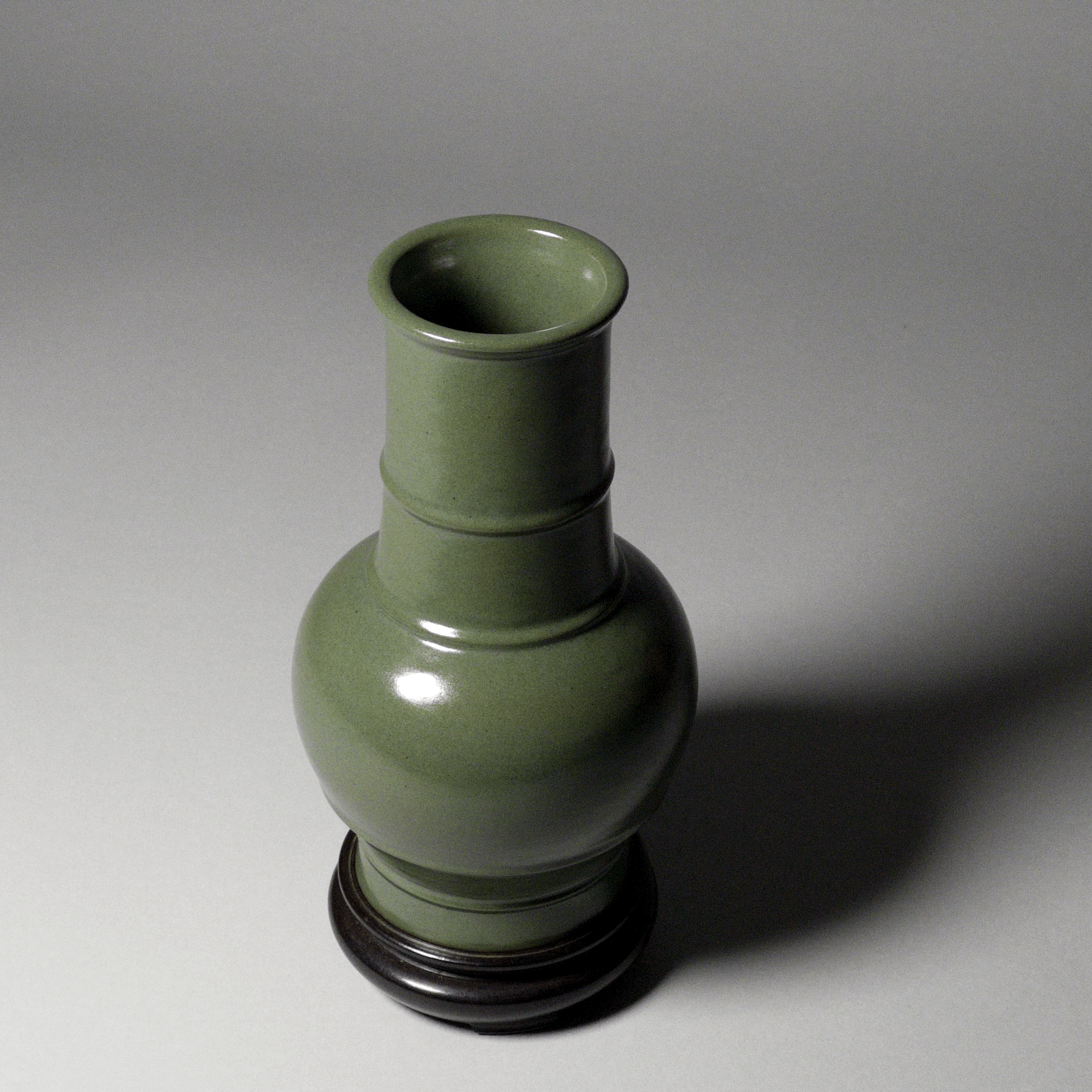 Image 3 of 10
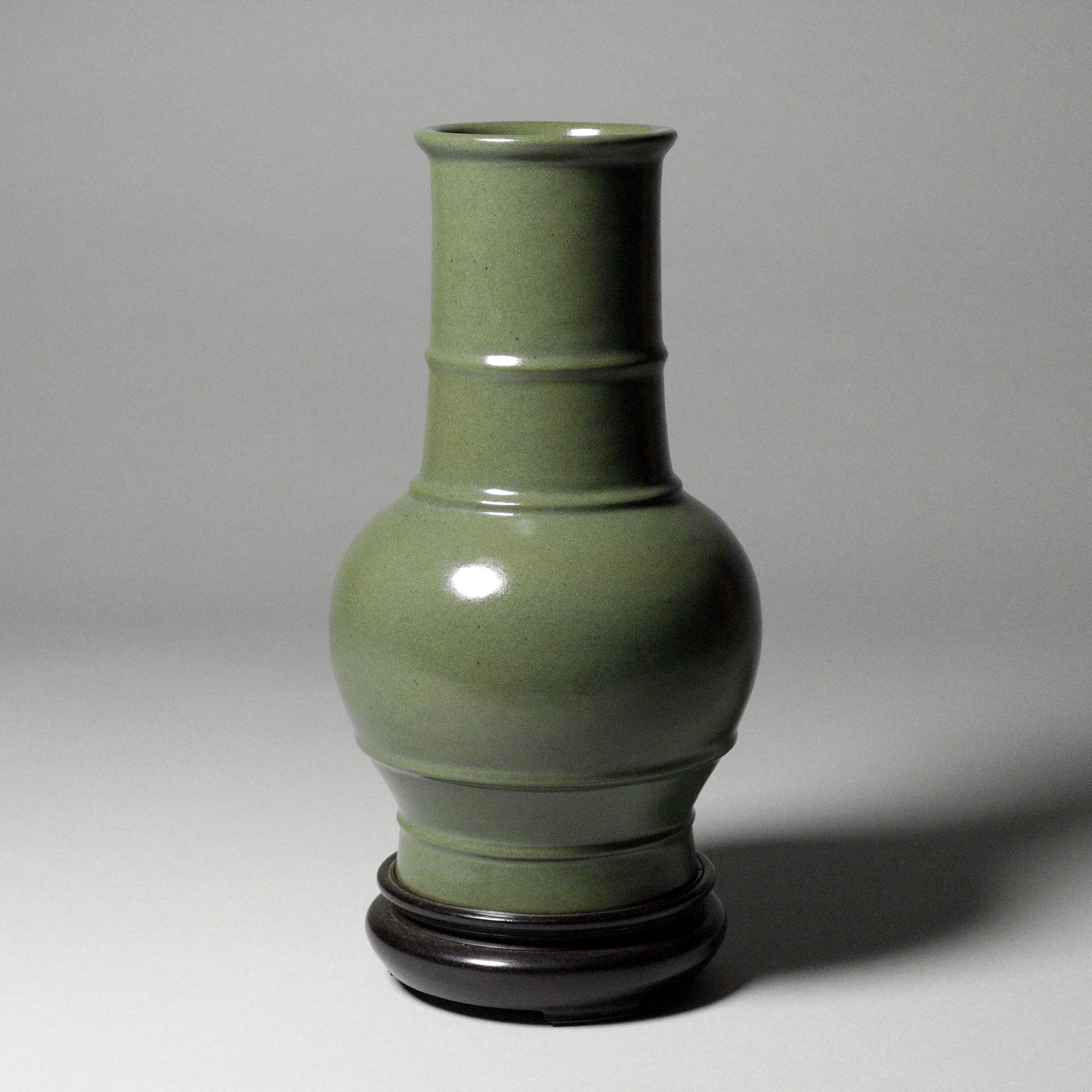 Image 4 of 10
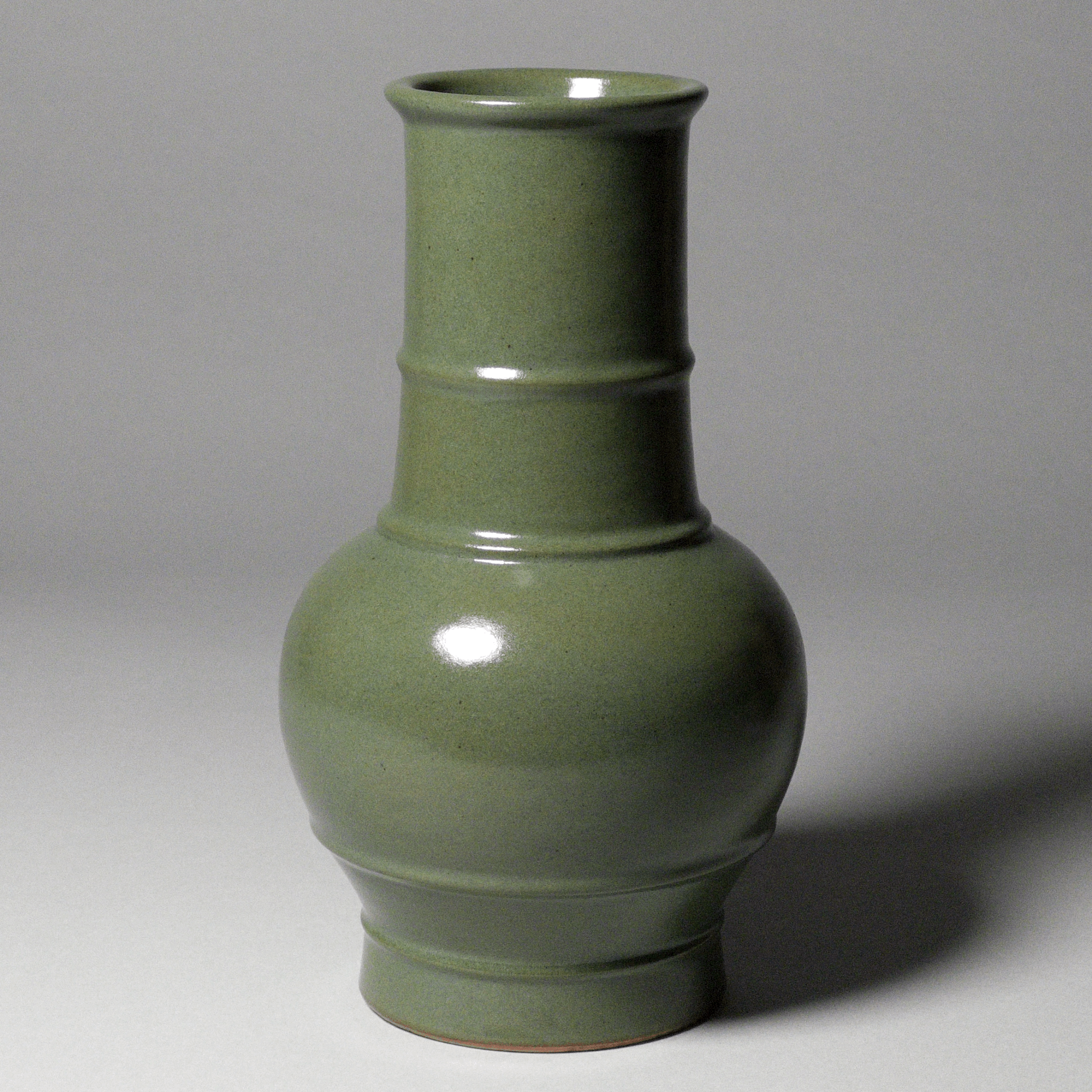 Image 5 of 10
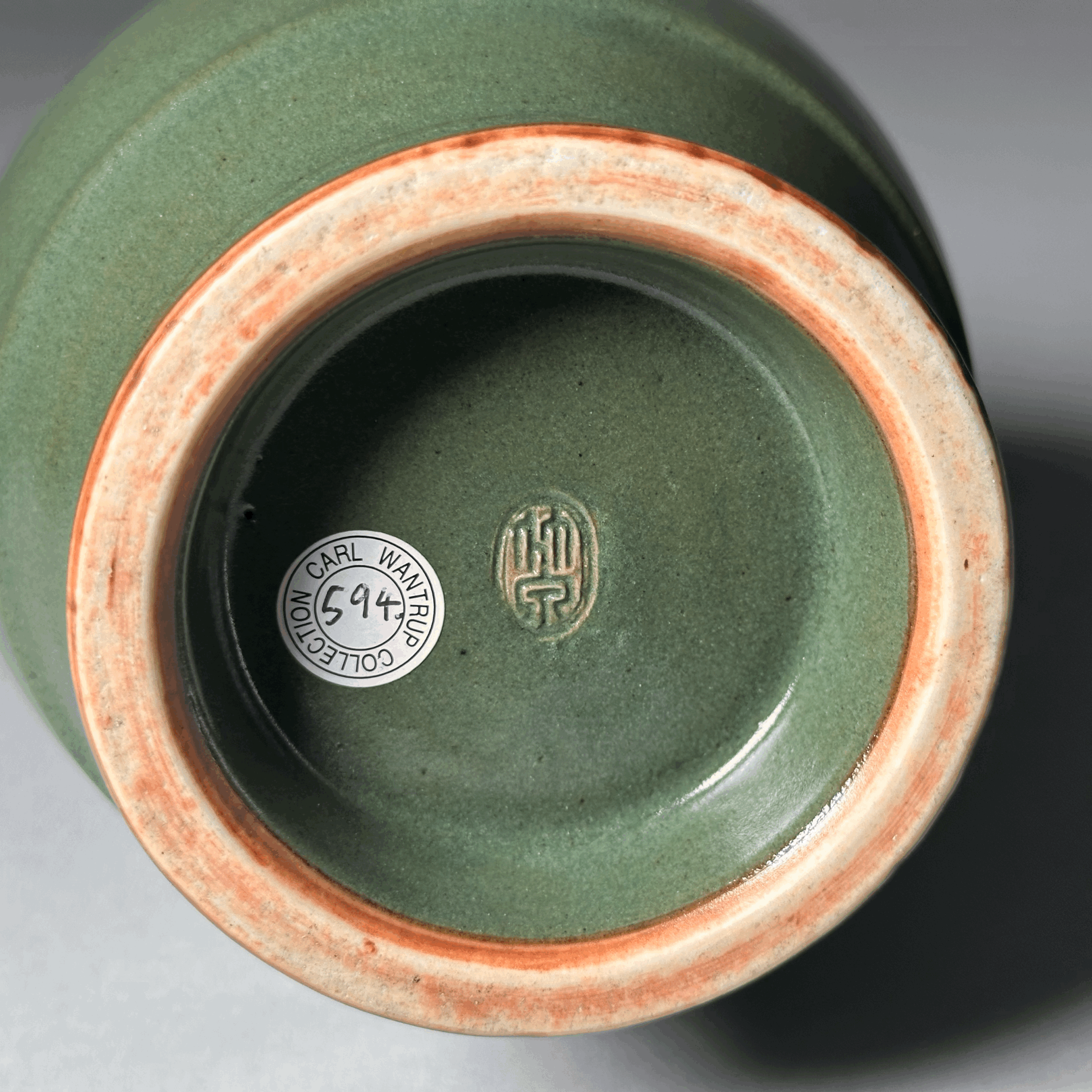 Image 6 of 10
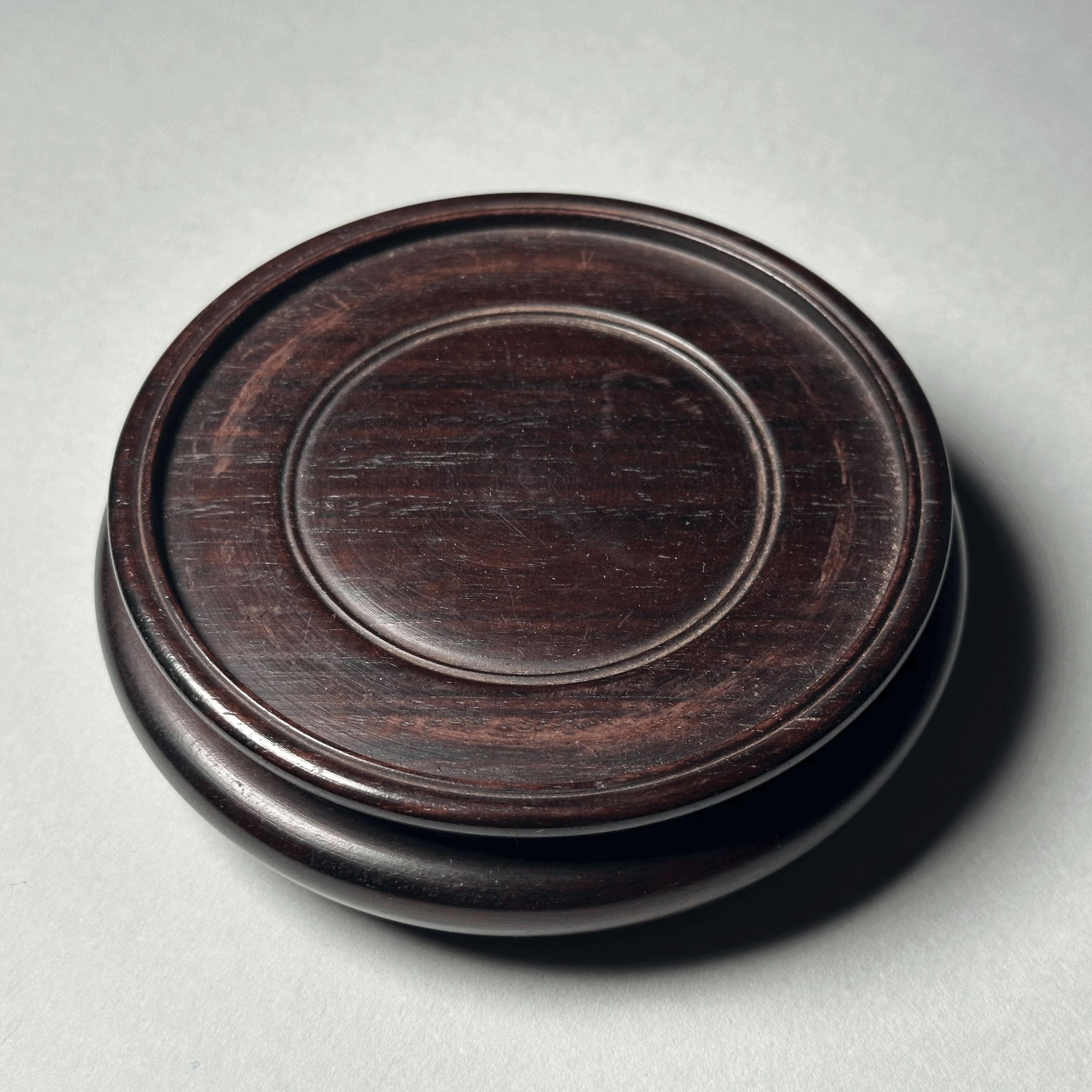 Image 7 of 10
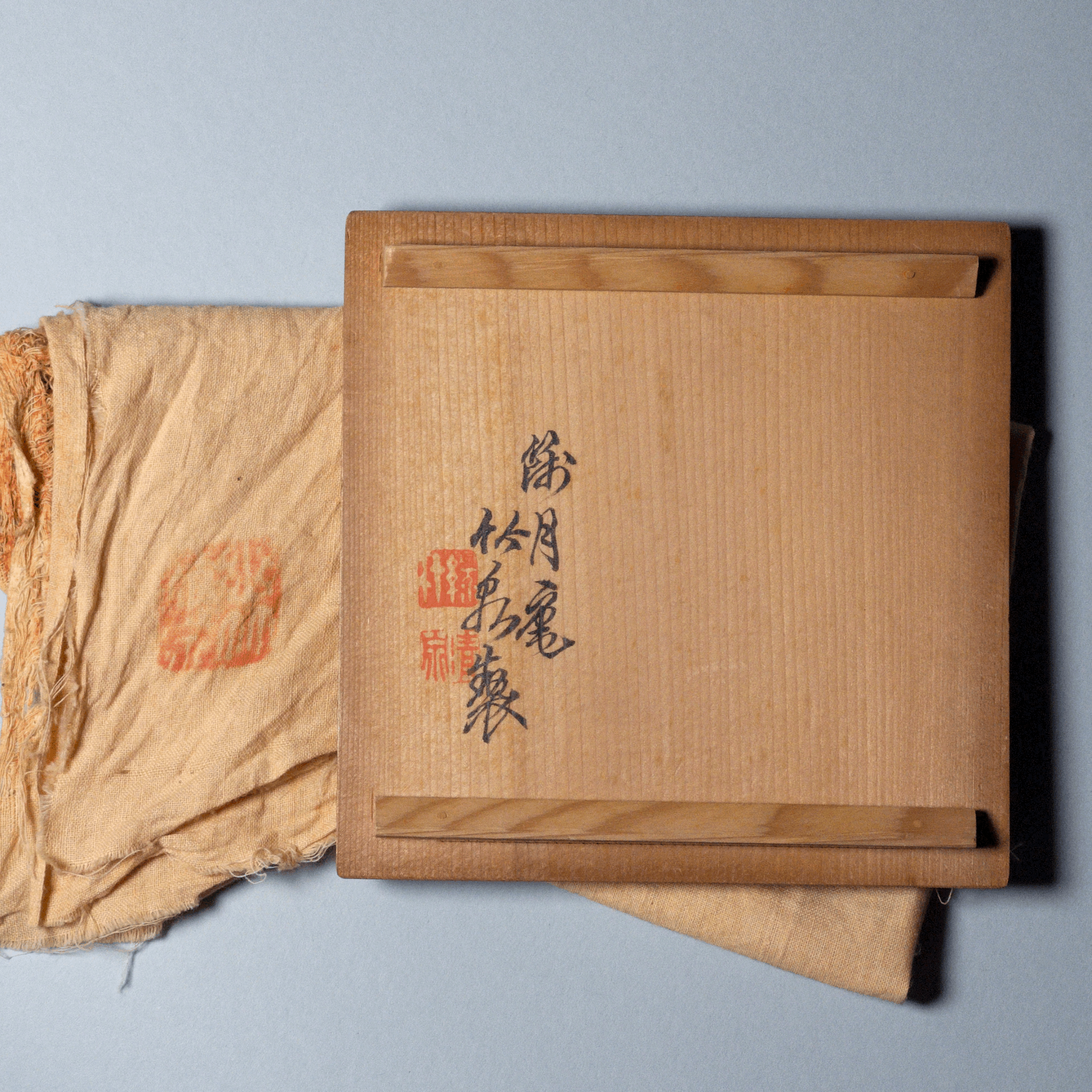 Image 8 of 10
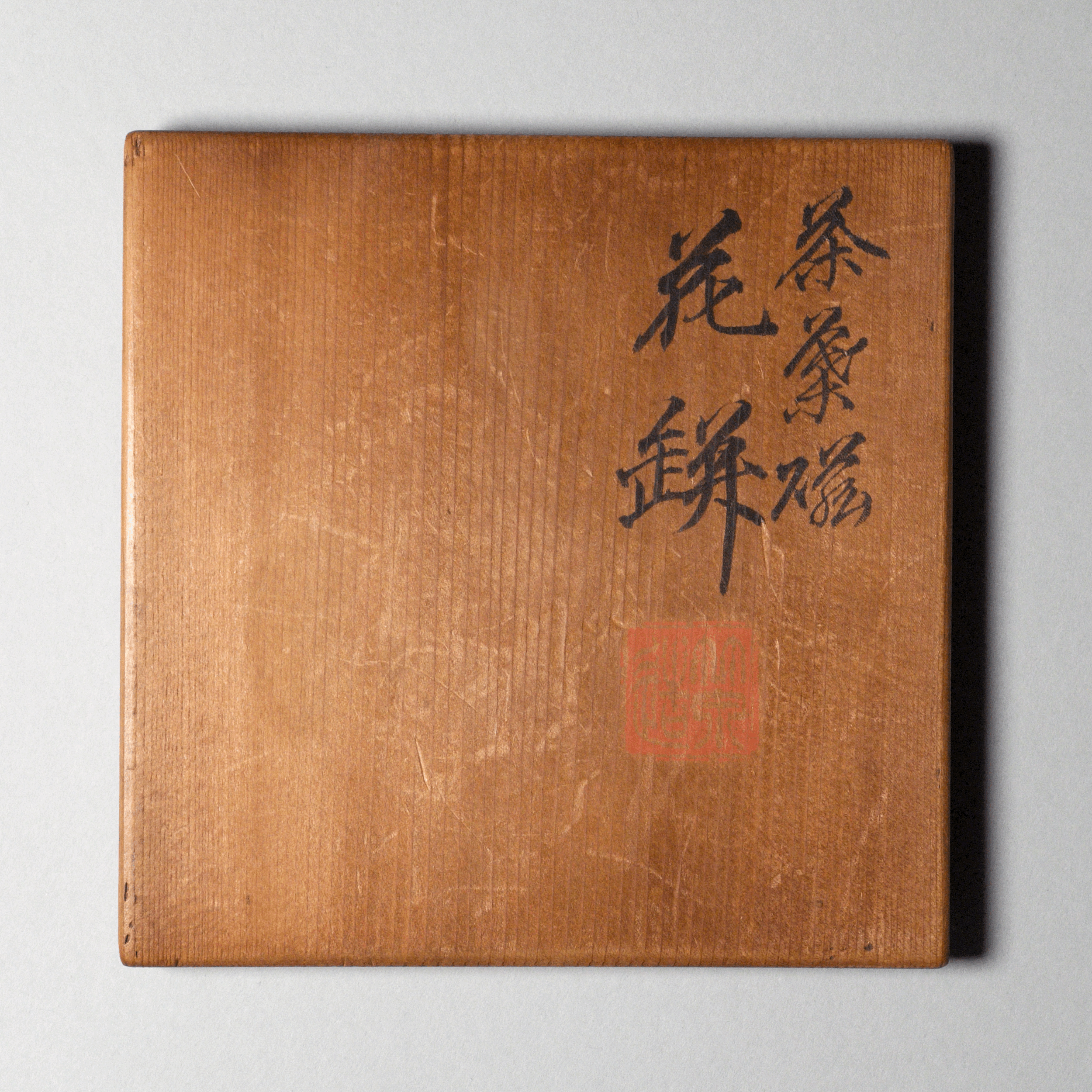 Image 9 of 10
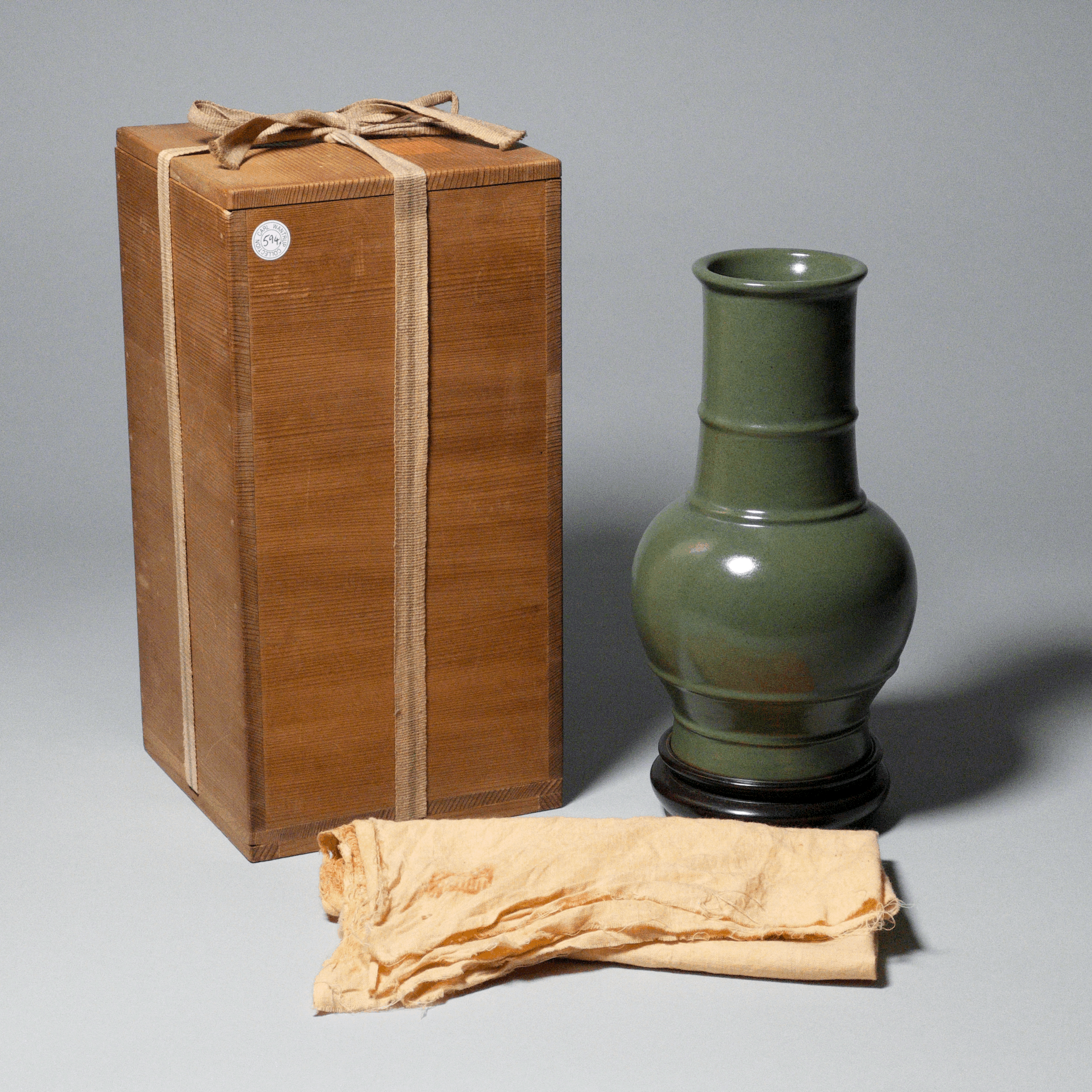 Image 10 of 10