Kita Kamakura, Japan
Showa Period (1926-1989), c. 1950s
Decorated with a Bizen-style hidasuke effect. With tomobako (signed box). Cat. 686
5.5cm high, 15cm diameter
波心 (Hashin), literally means “heart of the waves” or “mind of the waves”. In a Zen or poetic context, it suggests a mind that moves like water, responding naturally to circumstances without attachment.
Shigemori Mirei (重森三玲, 1896–1975) was a Japanese garden designer, art historian, ikebana theorist and tea practitioner whose work brought a radical modern sensibility to traditional Japanese arts. Originally trained in nihonga(Japanese-style painting) at the Nihon Bijutsu Gakkō in Tokyo, he developed a profound interest in Japanese cultural traditions, particularly garden design, flower arrangement and the tea ceremony. He is best known for his innovative karesansui (dry landscape) gardens, which combined traditional Zen garden principles with bold geometric compositions, sculptural stone arrangements, moss, gravel and, occasionally, coloured concrete. His celebrated gardens at Tōfuku-ji Temple in Kyoto, completed in 1939, exemplify his ability to reinterpret classical forms through a distinctly modern aesthetic. Equally important was his scholarship: his monumental 26-volume Nihon Teienshi Zukan (Illustrated History of Japanese Gardens) established an important foundation for the study and documentation of Japanese garden history.
Shigemori was also deeply involved in the avant-garde ikebana movement, collaborating with Teshigahara Sōfū and Nakayama Bunpō on the 1933 New Ikebana Declaration, which challenged conventional approaches to flower arrangement. He continued to write and lecture on ikebana, regarding it as an independent modern art form closely related to sculpture and spatial composition. His wider artistic interests extended to ceramics and the tea arts, placing him within the same important circle of Japanese modernist artists and designers as Kitaōji Rosanjin and Isamu Noguchi. His friendship with Noguchi was particularly significant: in the 1950s he guided the sculptor in the selection of natural stones in Japan for his celebrated UNESCO Garden in Paris, completed in 1958. Shigemori's work across gardens, ikebana, tea culture and the decorative arts reflects a singular vision in which traditional Japanese aesthetics were continually reinterpreted through modern artistic expression.

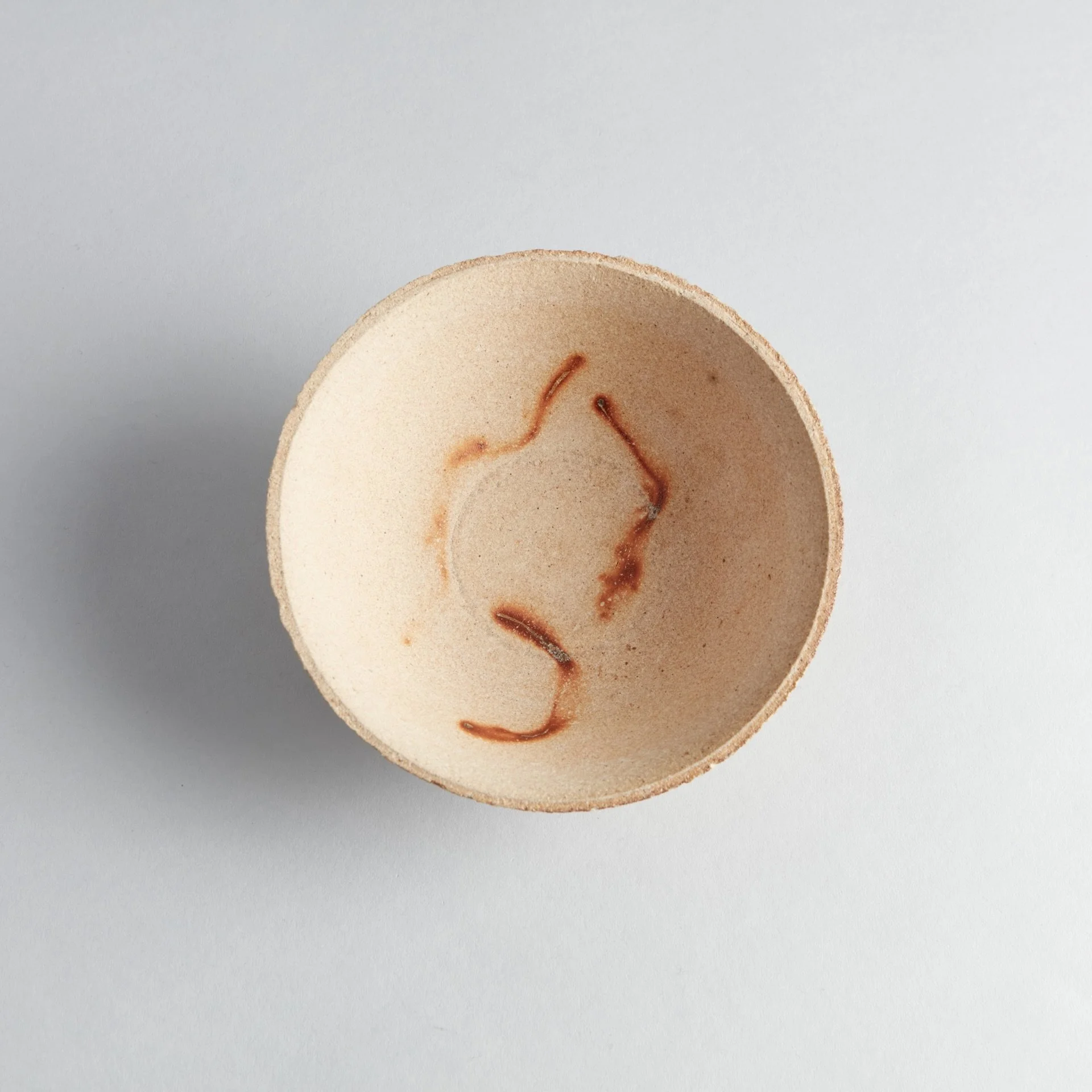 Image 1 of 9
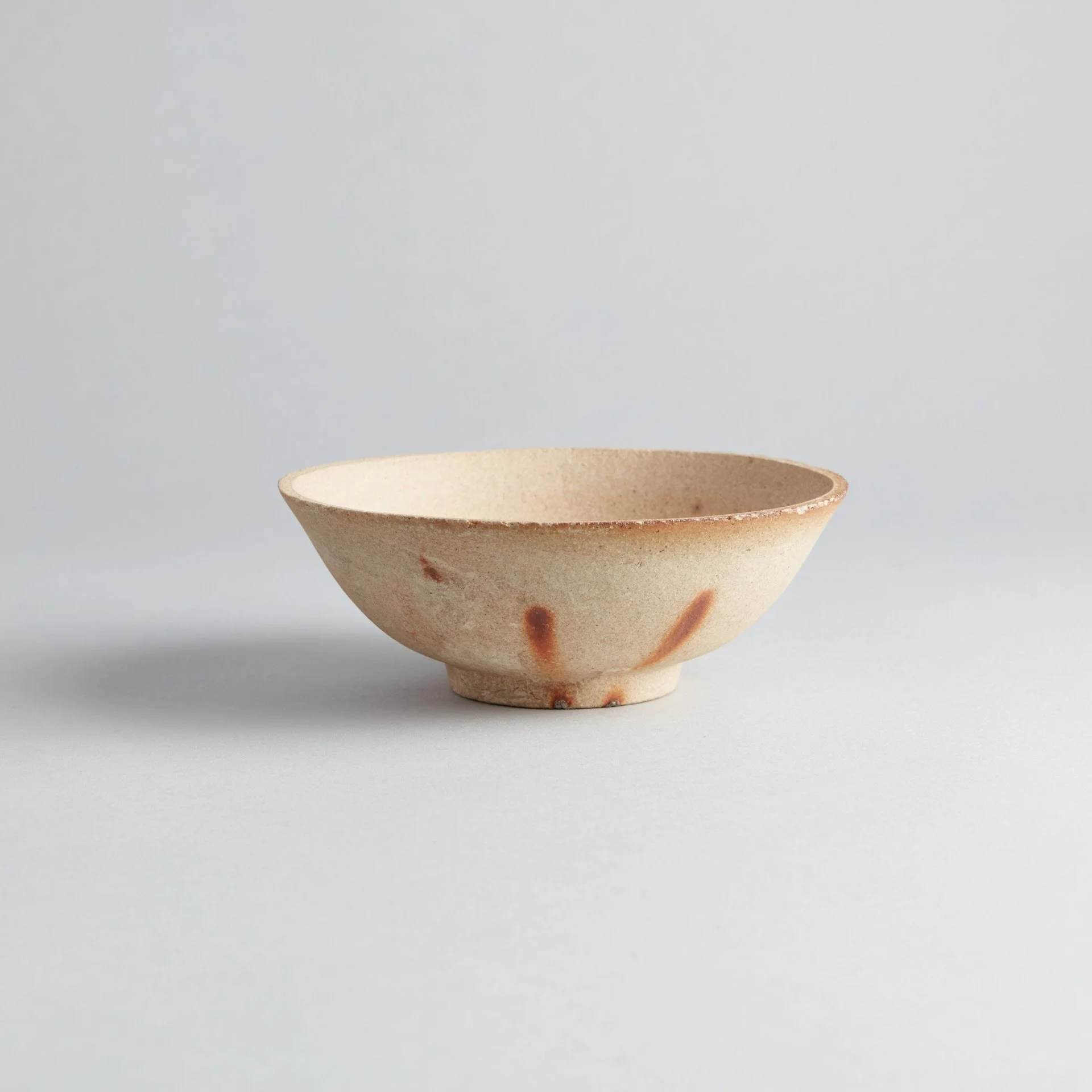 Image 2 of 9
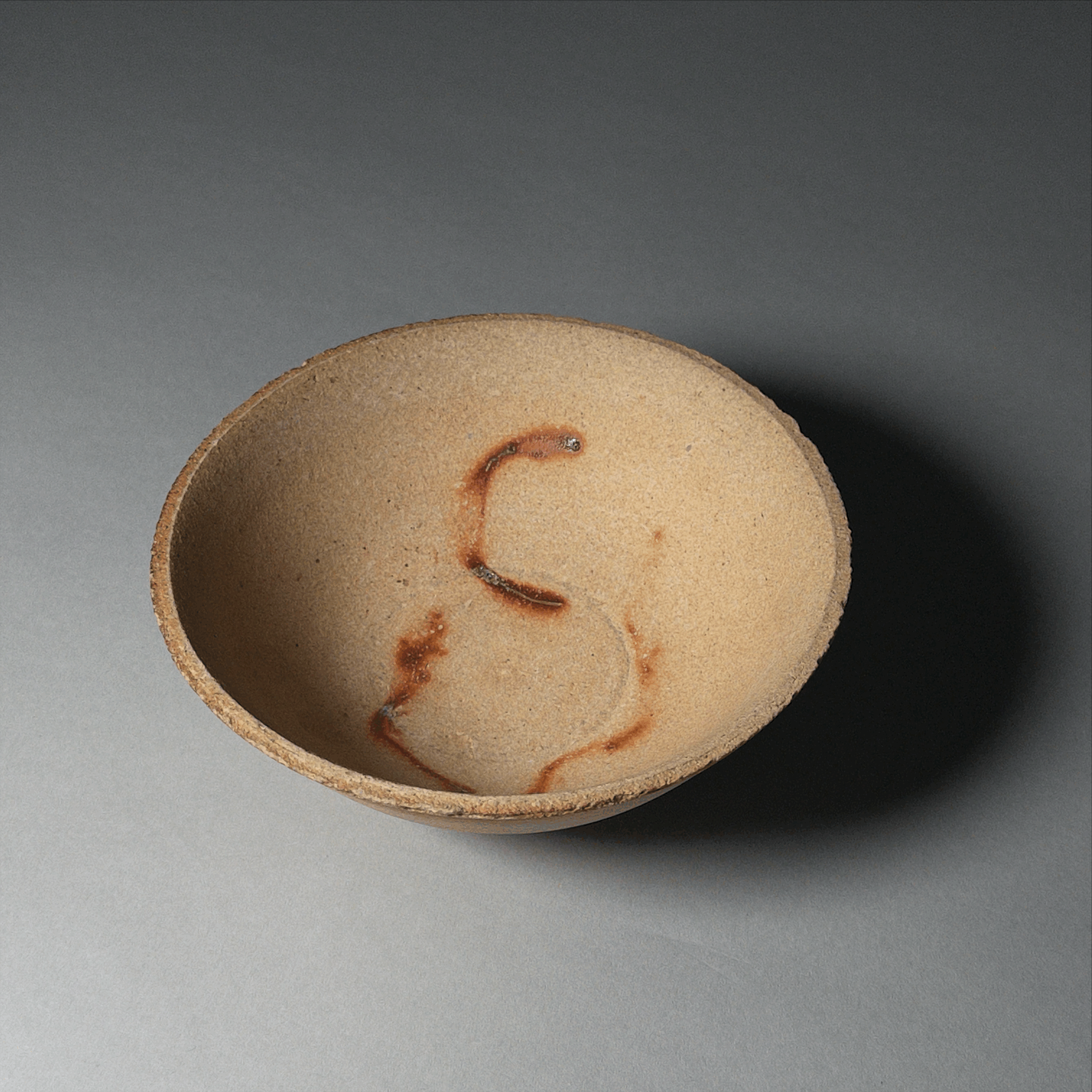 Image 3 of 9
 Image 4 of 9
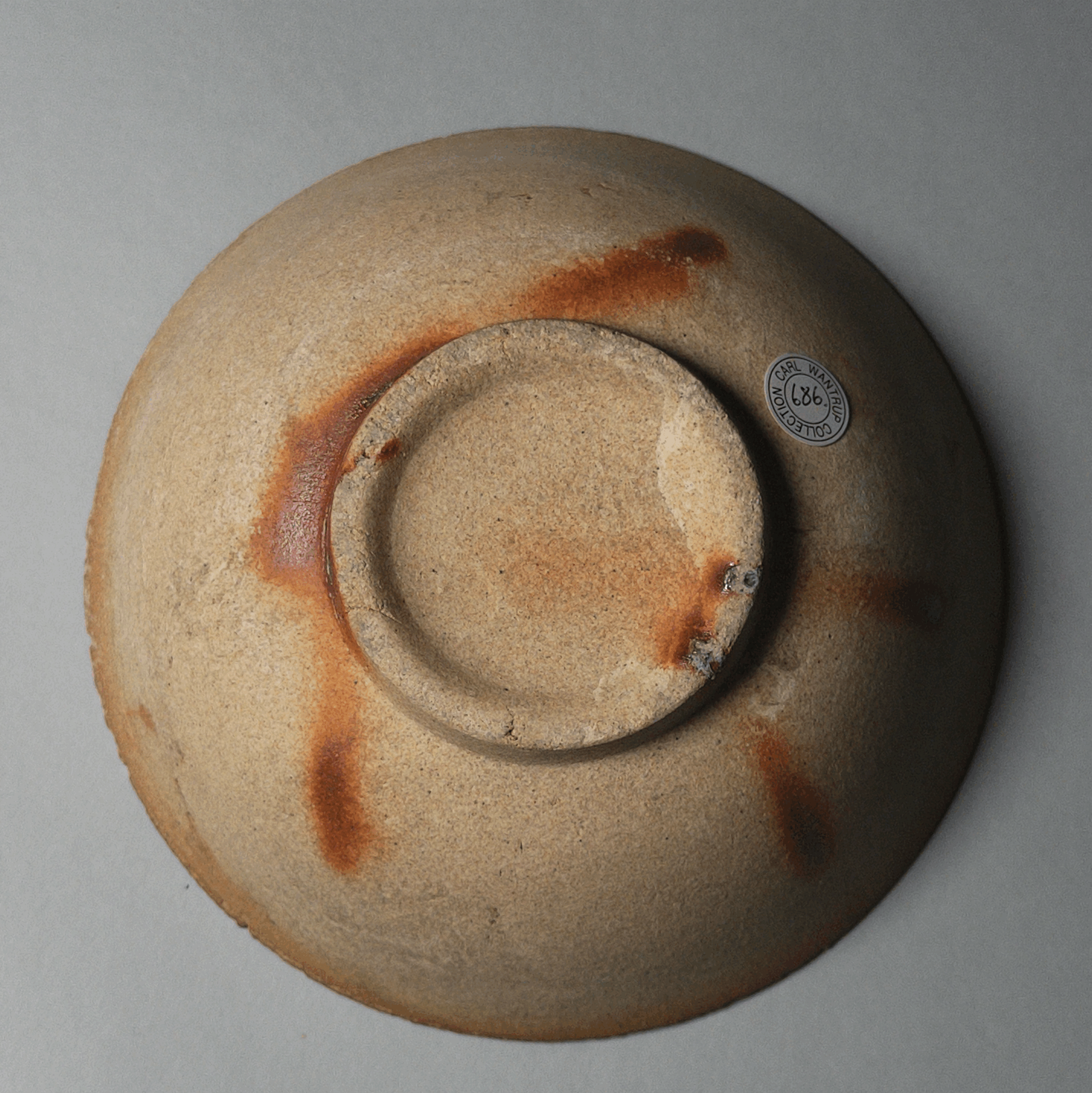 Image 5 of 9
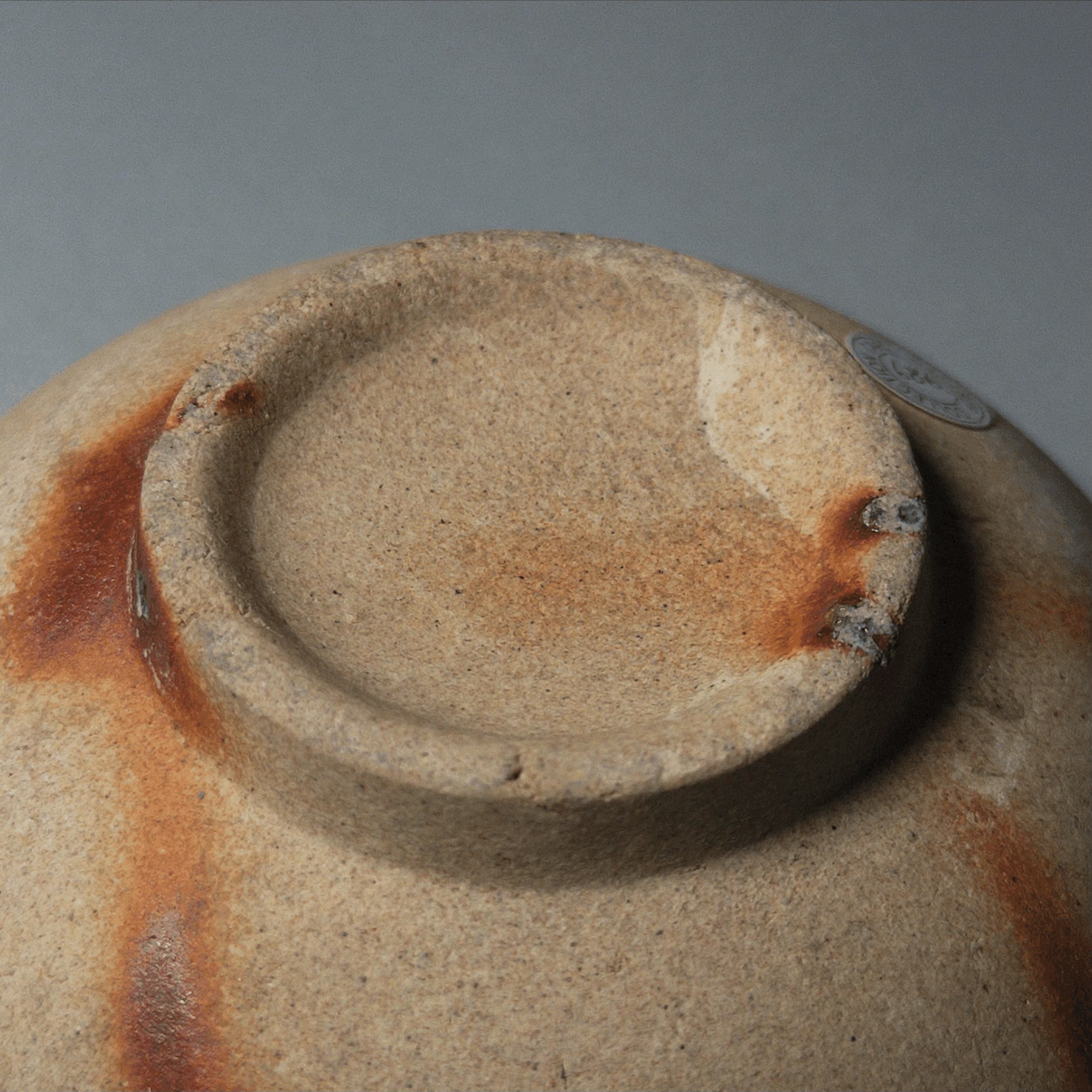 Image 6 of 9
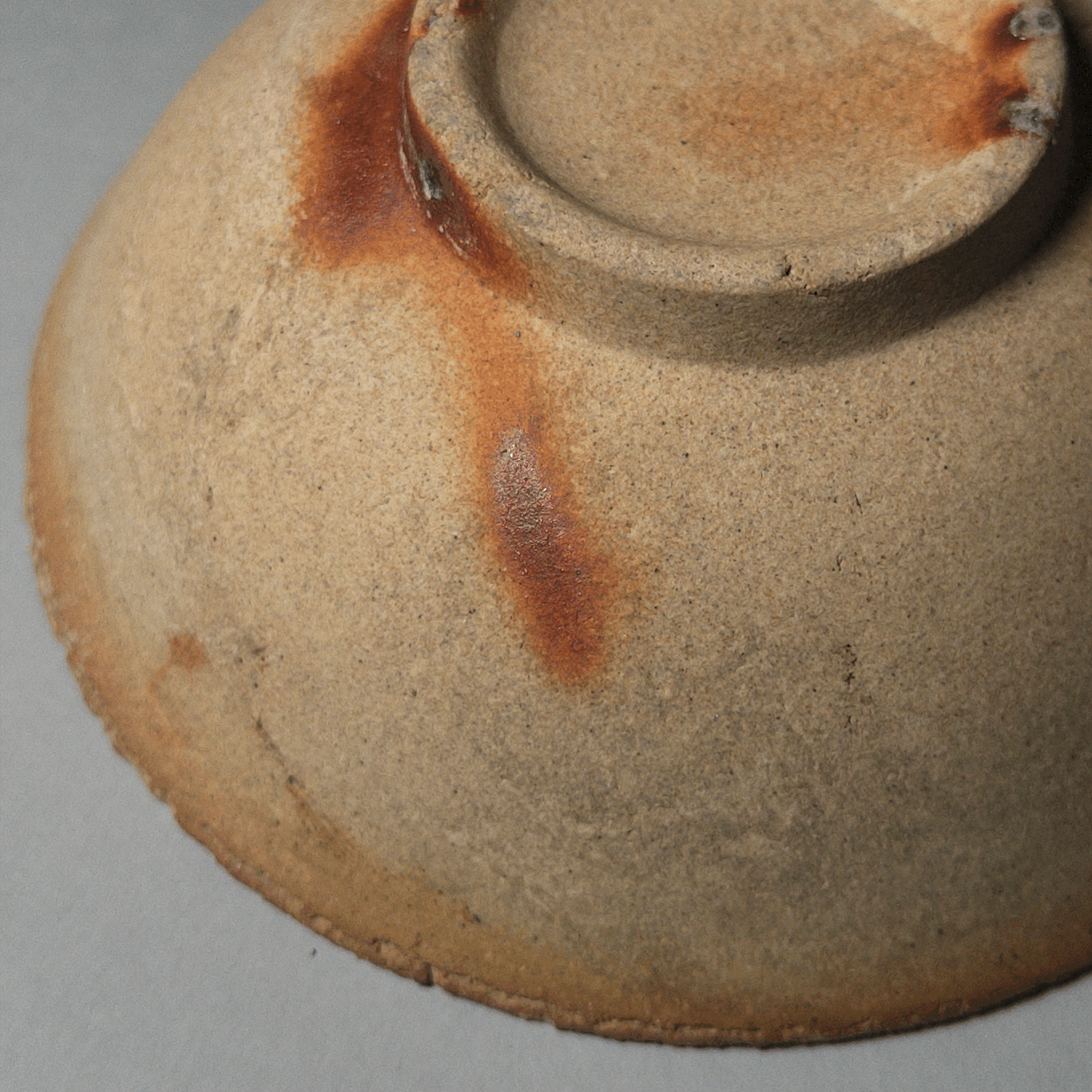 Image 7 of 9
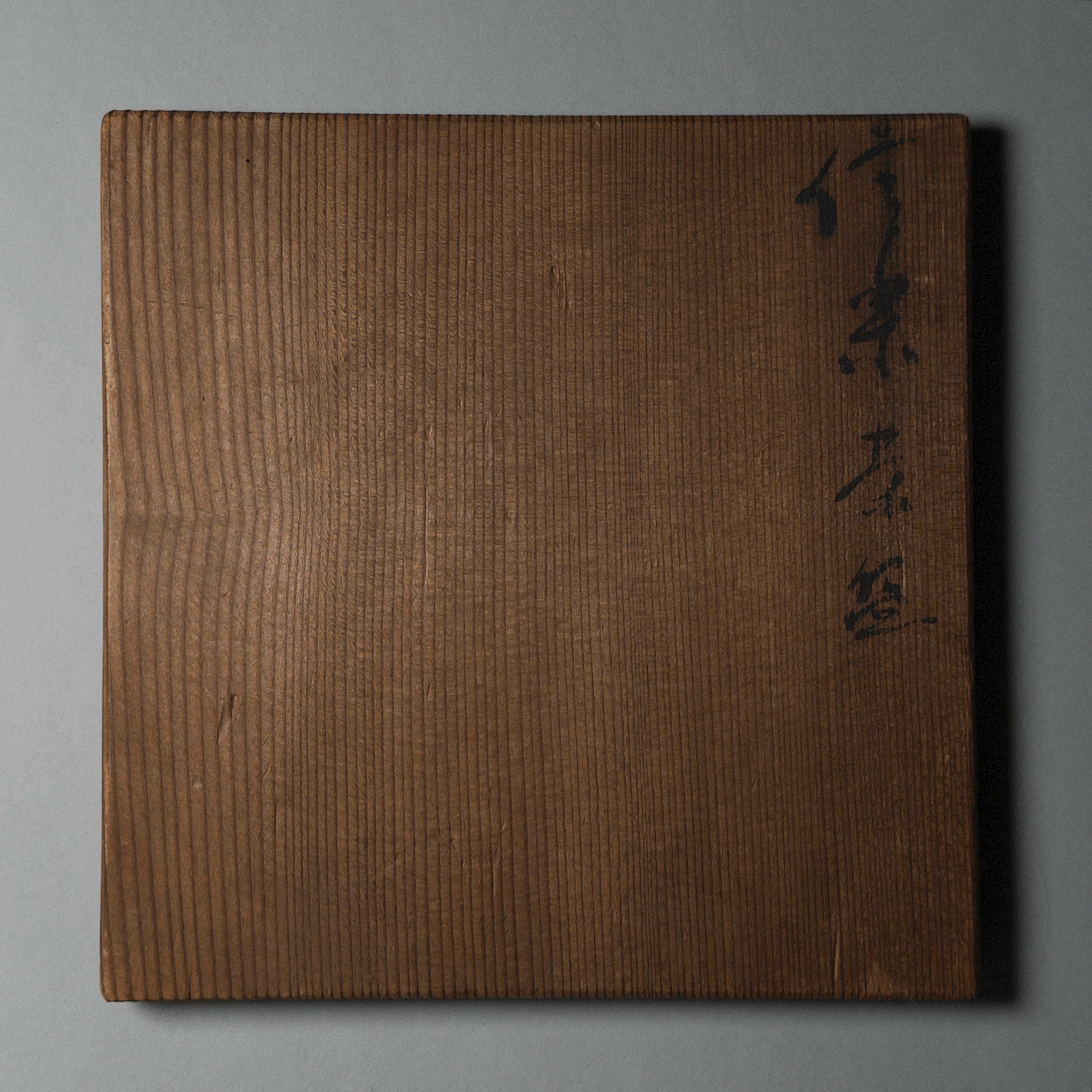 Image 8 of 9
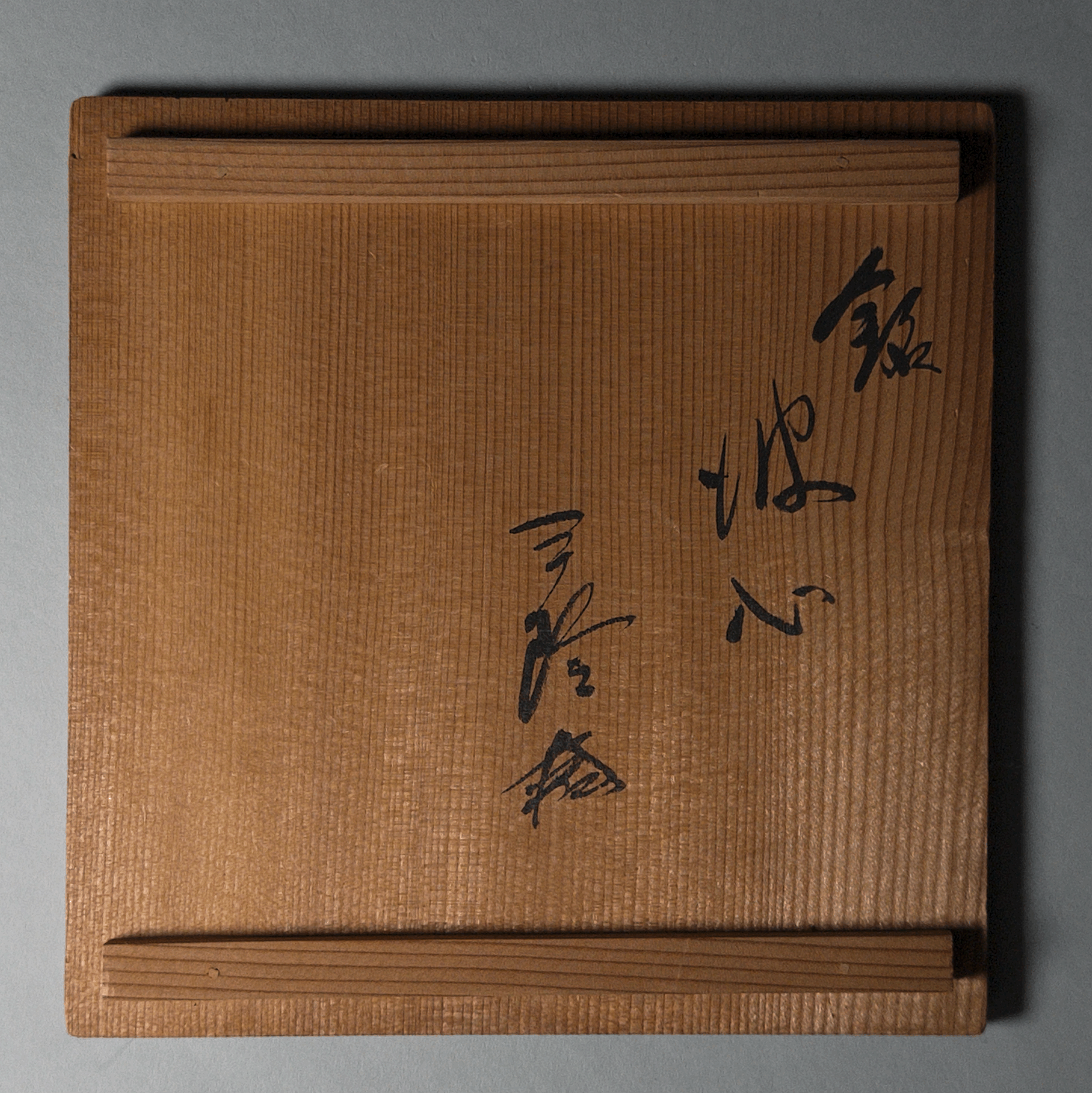 Image 9 of 9