Kyoto, Japan
Meiji Period (1868-1912), c. 1900
Each heavily potted in classic Kyoyaki crackle-glazed stoneware in sculptural drum-form decorated with scattered stylised chrysanthemums reminiscent of the Imperial kiku-mon in raised-slip beneath the glaze, the surrounding leaves in underglaze pigments. Impressed circular seals to both bases. Each approximately 28.5cm high, 27cm diameter.
Cat. 653
Itō Tōzan I (伊藤陶山, 1846–1920)
Tozan I was a leading Kyoto ceramic artist of the Meiji period whose career closely paralleled Japan’s emergence on the international stage. He exhibited repeatedly at major domestic forums, most notably the Naikoku Kangyō Hakurankai (Domestic Industrial Exhibitions), where his works received official commendations, and he was also selected for display at important overseas expositions, including world’s fairs in Europe and the United States that introduced Meiji ceramics to a global audience. Tōzan distinguished himself through the sophisticated adoption of newly developed overglaze enamels, underglaze pigments and firing techniques, achieving refined colour effects which accentuated his striking art nouveau-influenced but quintessentially Japanese designs, making his work suitable for both exhibition and imperial standards. In recognition of his artistic achievement and his role in advancing Japanese ceramic design, he was appointed Teishitsu Gigei-in (Imperial Court Artist), affirming his status among the elite makers of his time.
Kyoto, Japan
Meiji Period (1868-1912), c. 1900
Each heavily potted in classic Kyoyaki crackle-glazed stoneware in sculptural drum-form decorated with scattered stylised chrysanthemums reminiscent of the Imperial kiku-mon in raised-slip beneath the glaze, the surrounding leaves in underglaze pigments. Impressed circular seals to both bases. Each approximately 28.5cm high, 27cm diameter.
Cat. 653
Itō Tōzan I (伊藤陶山, 1846–1920)
Tozan I was a leading Kyoto ceramic artist of the Meiji period whose career closely paralleled Japan’s emergence on the international stage. He exhibited repeatedly at major domestic forums, most notably the Naikoku Kangyō Hakurankai (Domestic Industrial Exhibitions), where his works received official commendations, and he was also selected for display at important overseas expositions, including world’s fairs in Europe and the United States that introduced Meiji ceramics to a global audience. Tōzan distinguished himself through the sophisticated adoption of newly developed overglaze enamels, underglaze pigments and firing techniques, achieving refined colour effects which accentuated his striking art nouveau-influenced but quintessentially Japanese designs, making his work suitable for both exhibition and imperial standards. In recognition of his artistic achievement and his role in advancing Japanese ceramic design, he was appointed Teishitsu Gigei-in (Imperial Court Artist), affirming his status among the elite makers of his time.

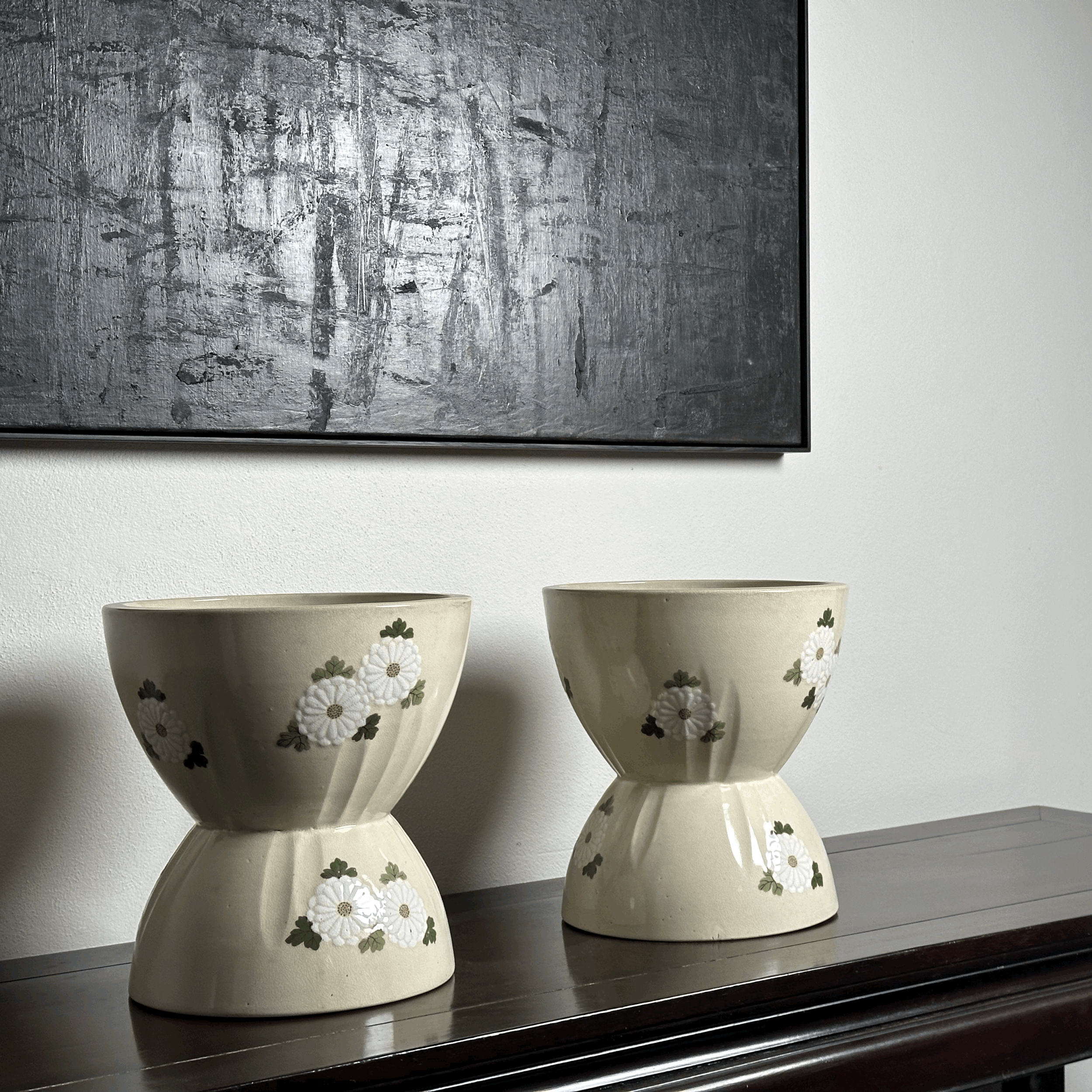 Image 1 of 10
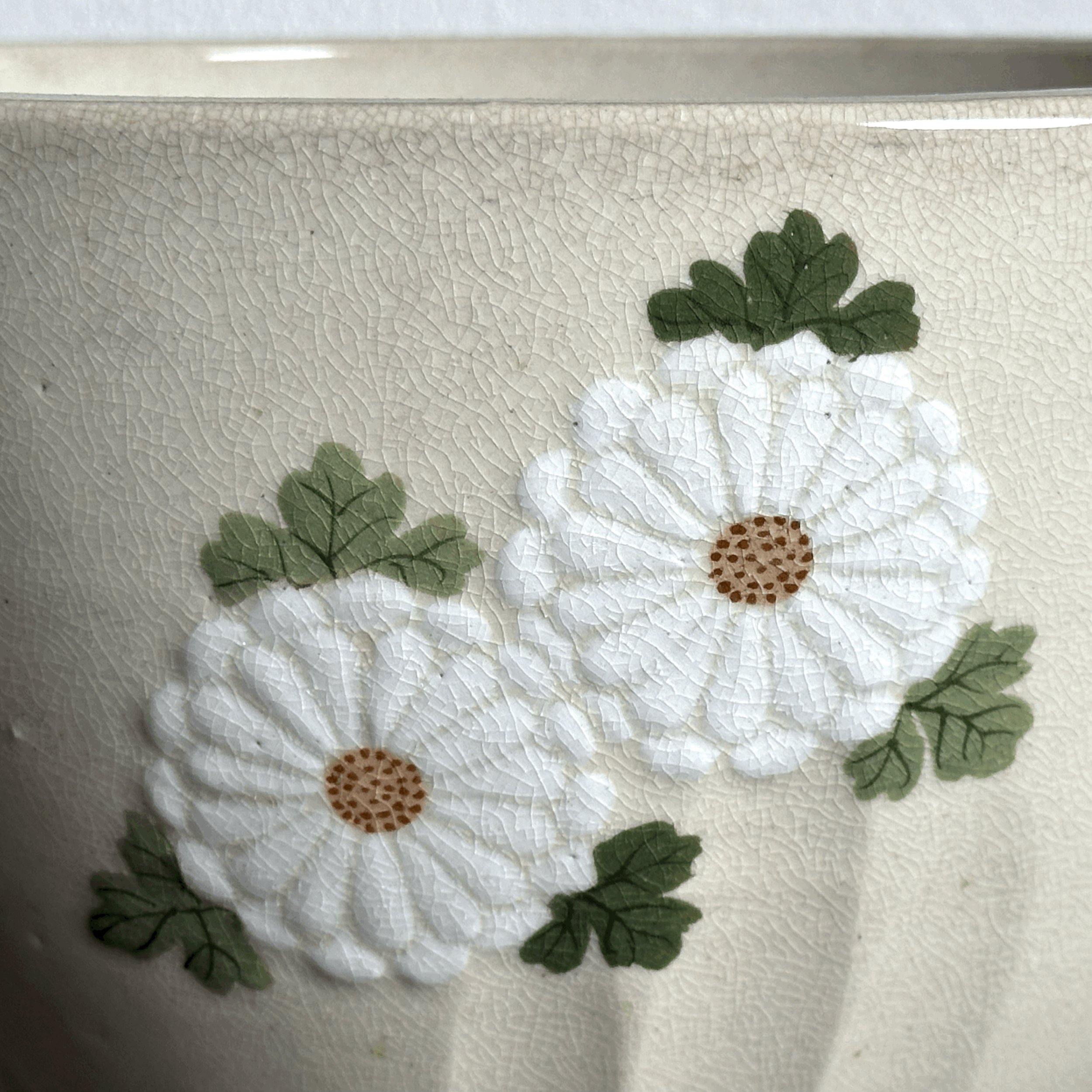 Image 2 of 10
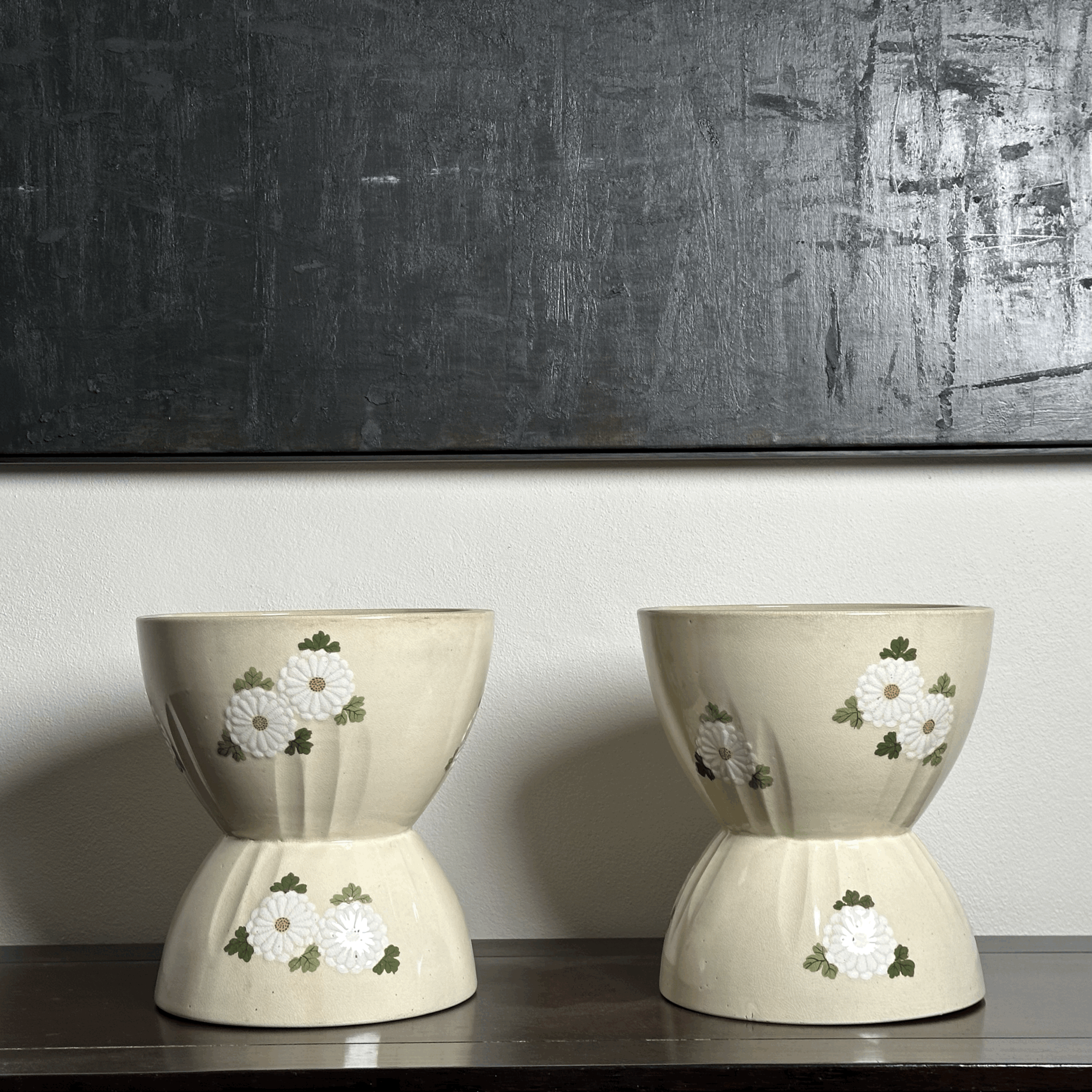 Image 3 of 10
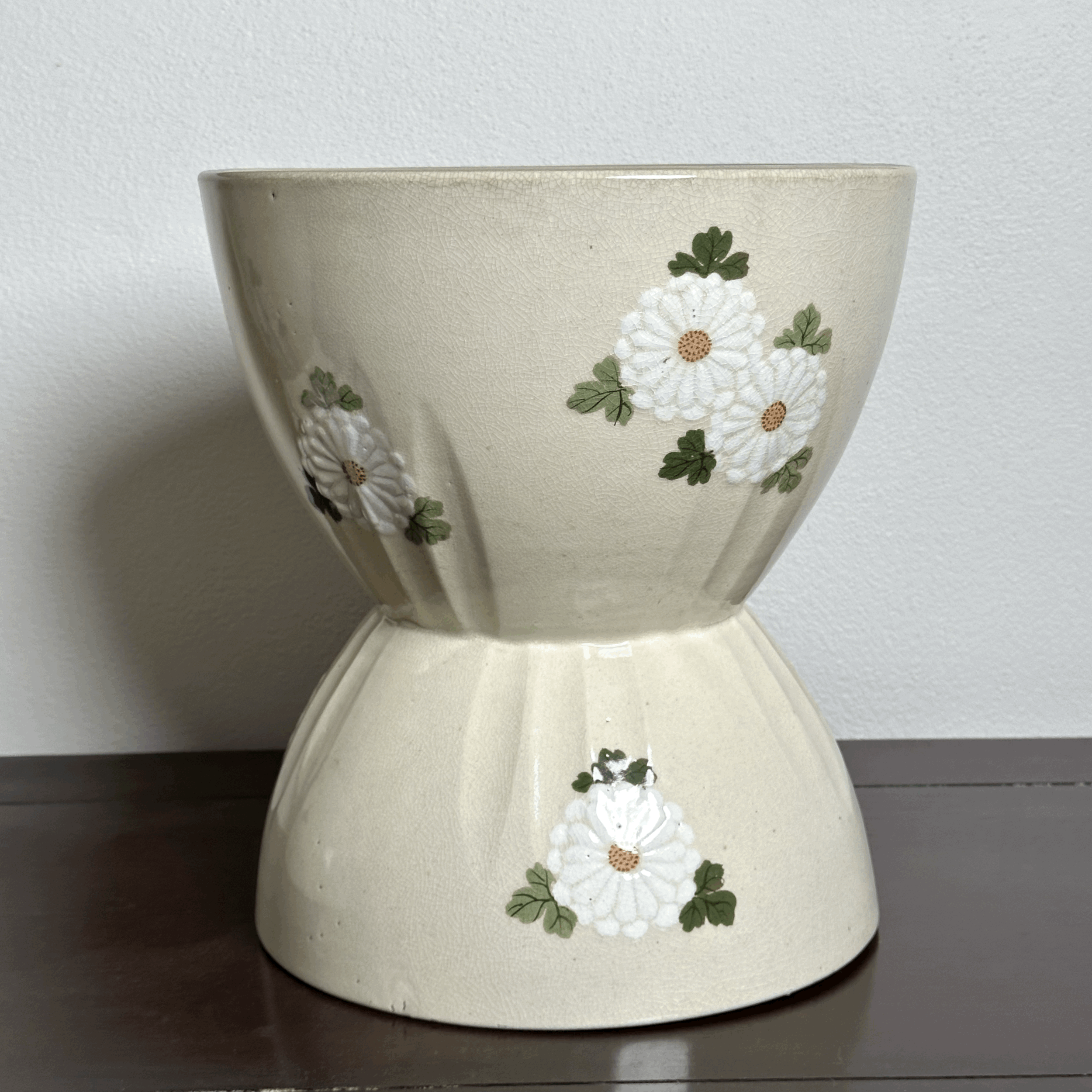 Image 4 of 10
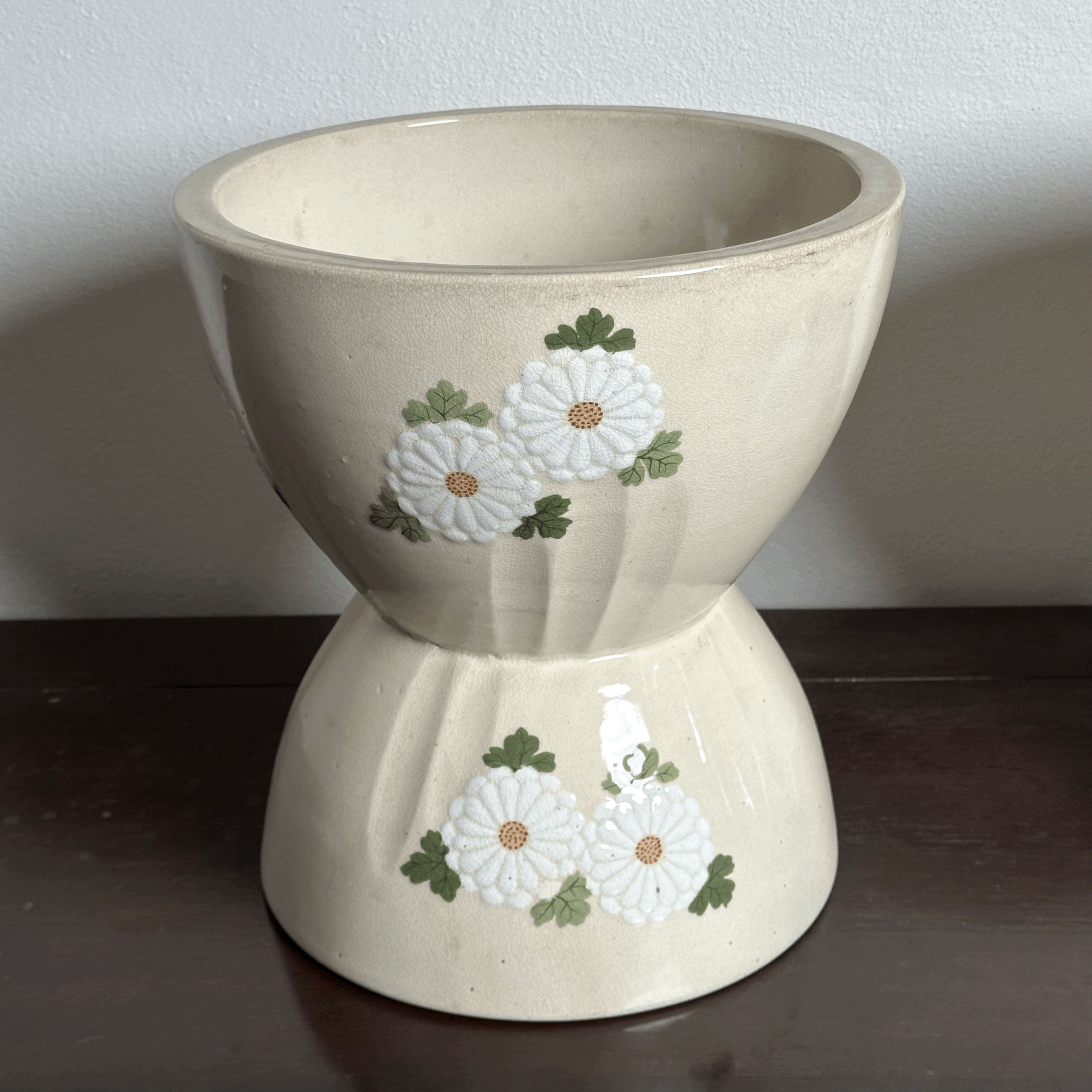 Image 5 of 10
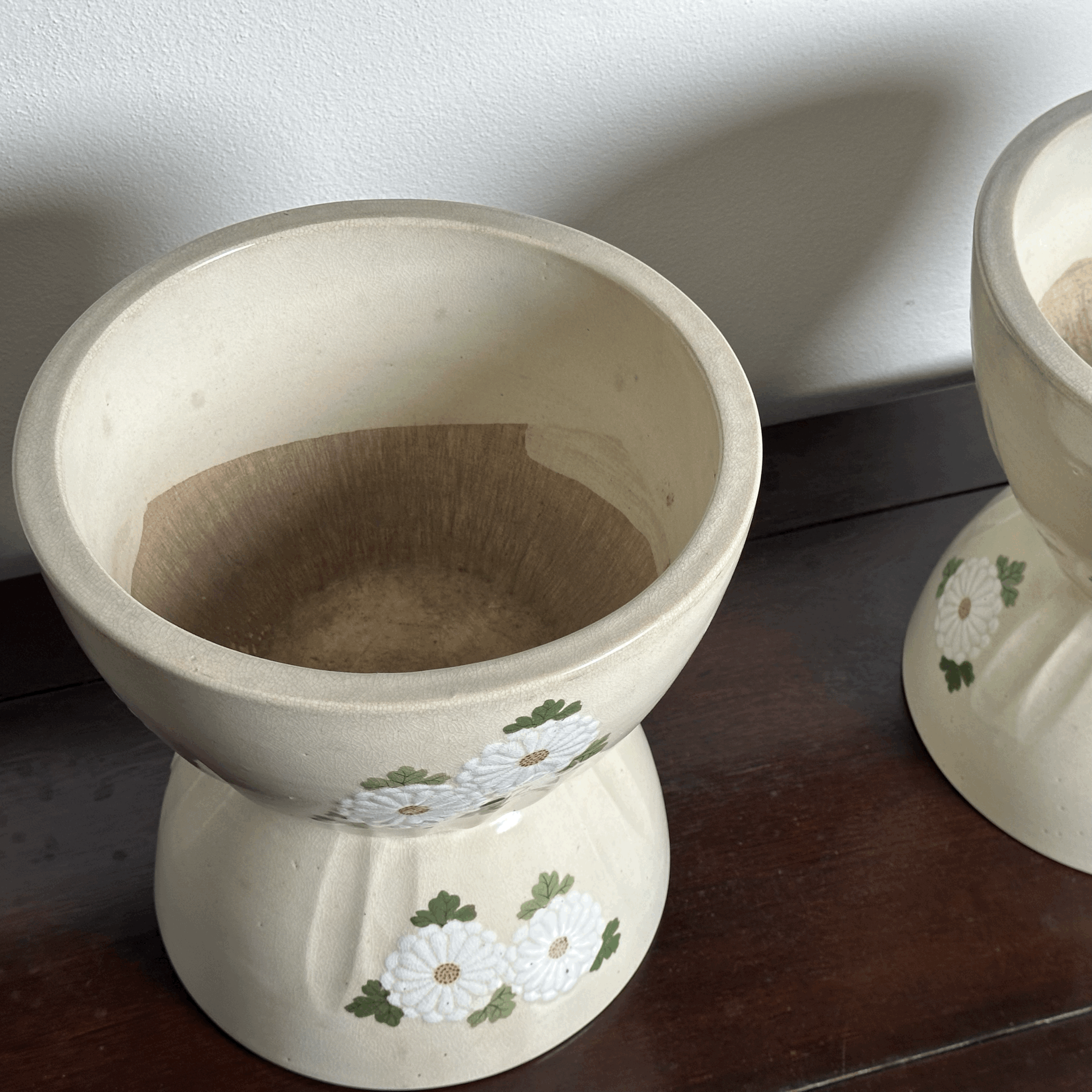 Image 6 of 10
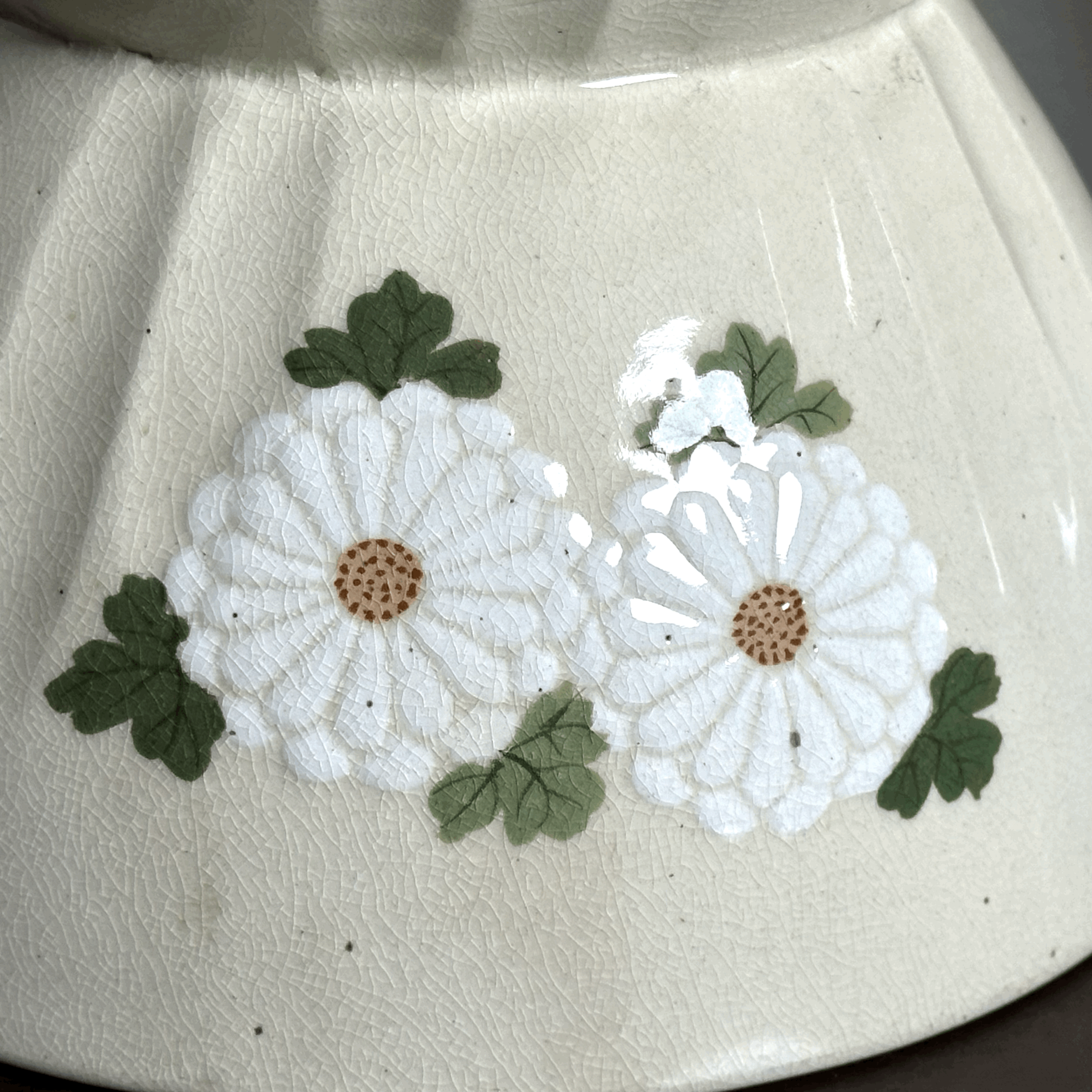 Image 7 of 10
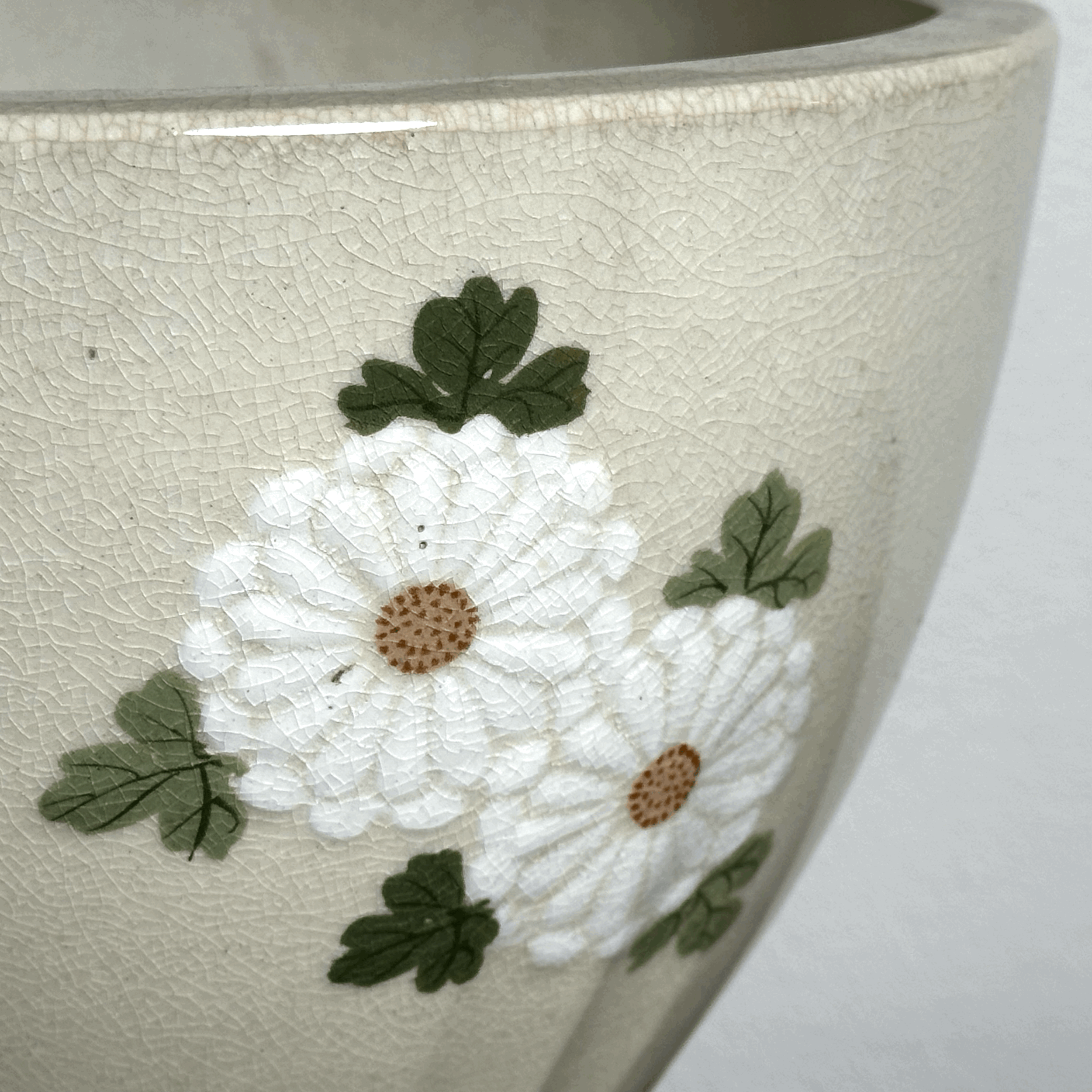 Image 8 of 10
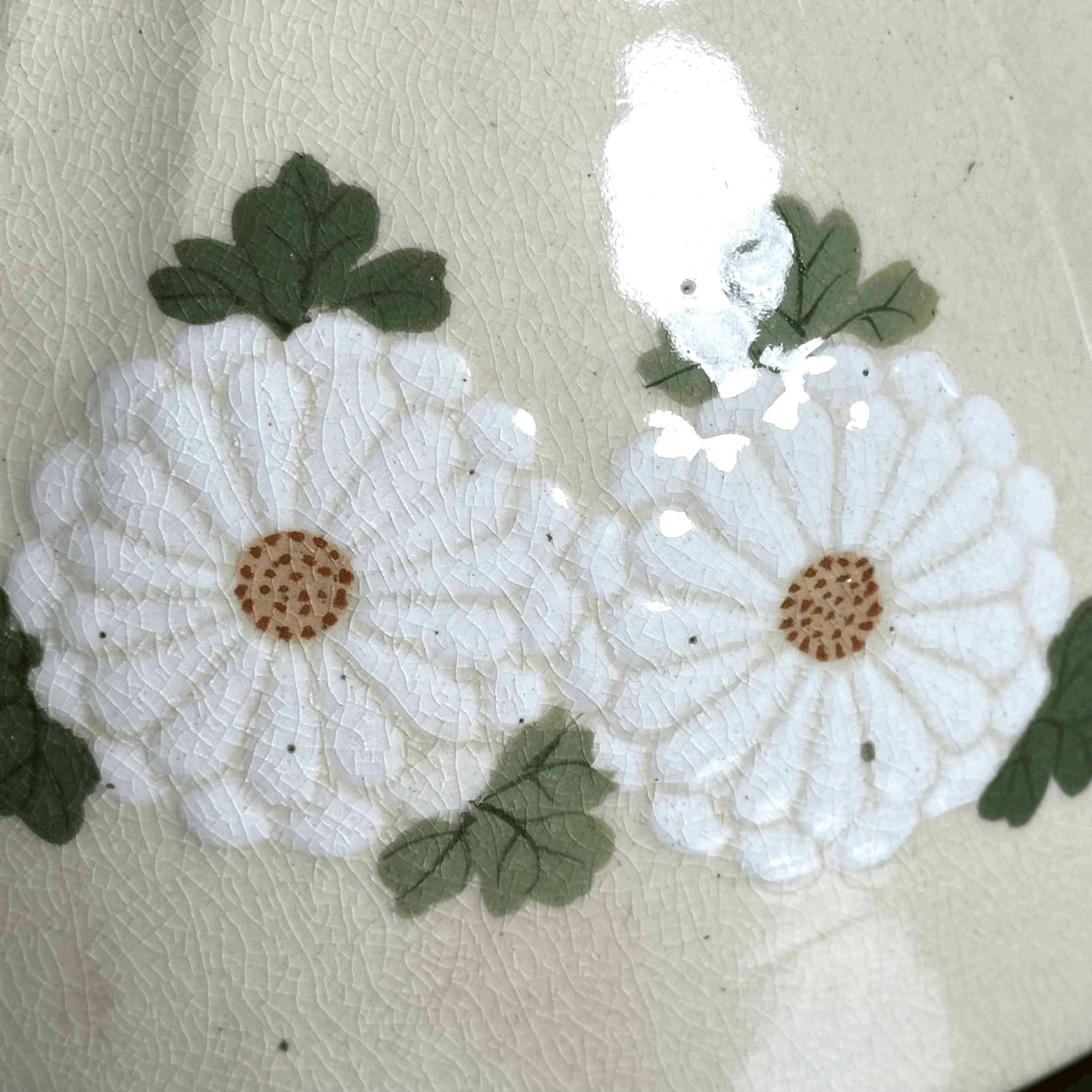 Image 9 of 10
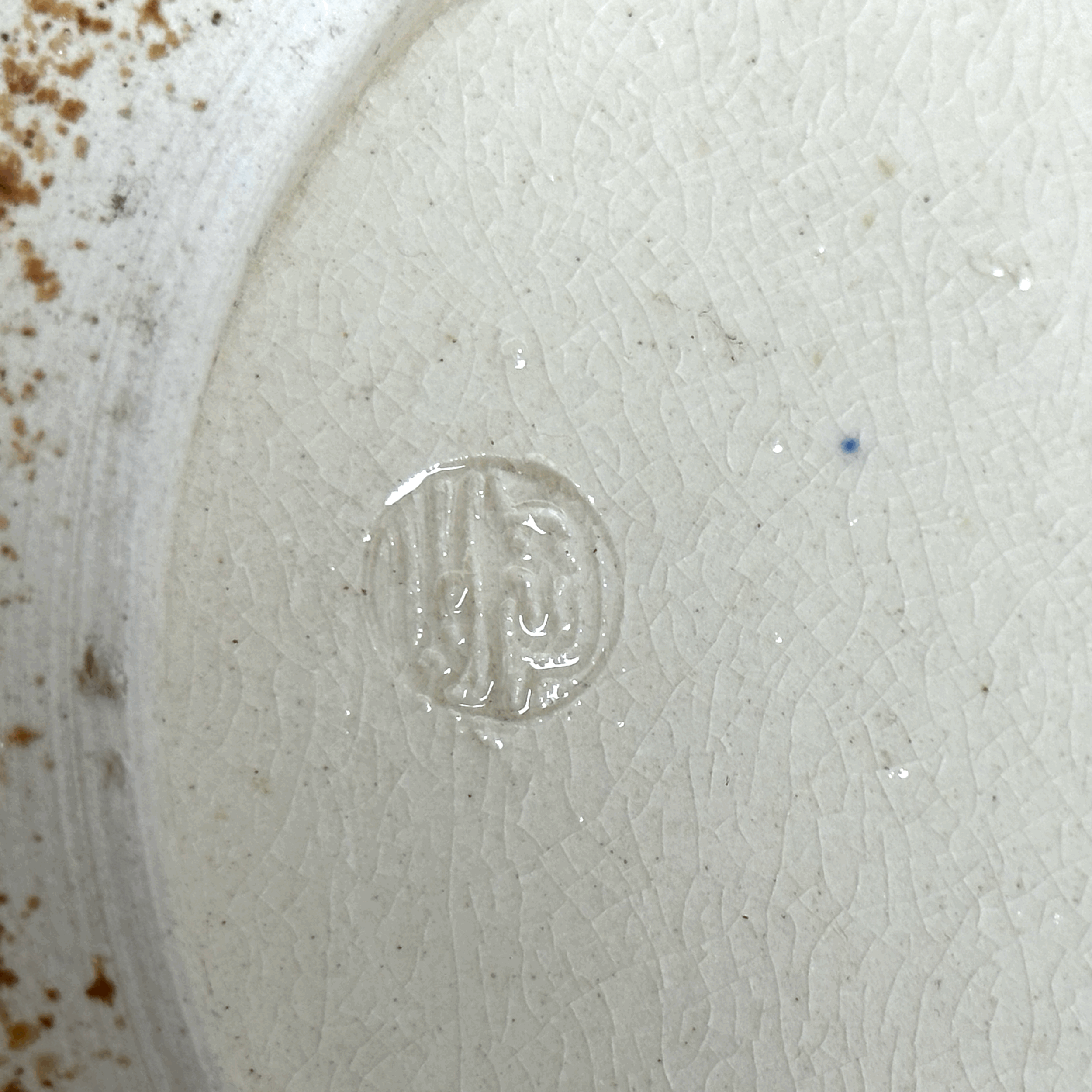 Image 10 of 10