Showa Period (1926-1989), c. 1970s
Kyoto, Japan
Of tapering rhomboid shape in pale earthenware, with a textured rust-coloured iron finish with a subtle modernist gold and silver bamboo design, with its origins in the Rimpa style. Double-boxed with tomobako (signed box) and outer brown-lacquered box, and paper exhibition pamphlet.
16cm high, 26.9cm wide
Kiyomizu Rokubei VI (清水六兵衛, 1901–1980) was a distinguished Japanese ceramic artist and the sixth-generation head of the historic Kiyomizu family of Kyoto potters. Born Shōtarō, the eldest son of Kiyomizu Rokubei V, he initially studied Japanese painting at the Kyoto Municipal School of Painting before turning to ceramics under his father's tutelage. Appointed the sixth Rokubei in 1945, he became an influential figure in the modernisation of Kyō-yaki, combining the refined traditions of Kyoto ceramics with innovative forms, glazes and decorative techniques. Particularly renowned for his experimental glazes, he developed distinctive treatments including sansai ranyū (flowing three-colour glaze), shūyū (rust-coloured glaze) and kokisai (a richly decorative glaze incorporating gold and silver). His work received numerous accolades, including the Japan Art Academy Prize in 1956, and he was appointed a member of the Japan Art Academy in 1962. In 1976 he was recognised as a Person of Cultural Merit for his contribution to Japanese ceramics.

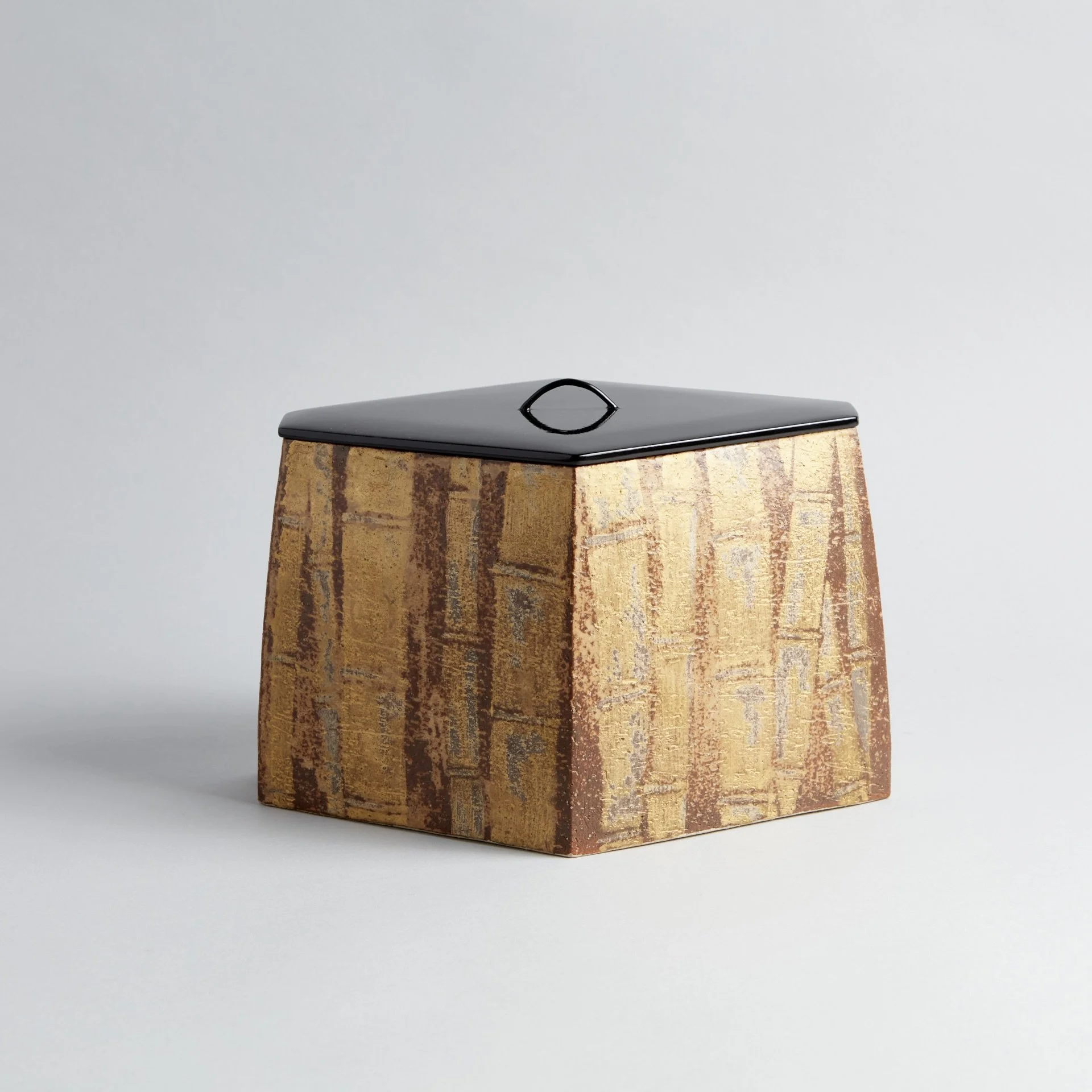 Image 1 of 10
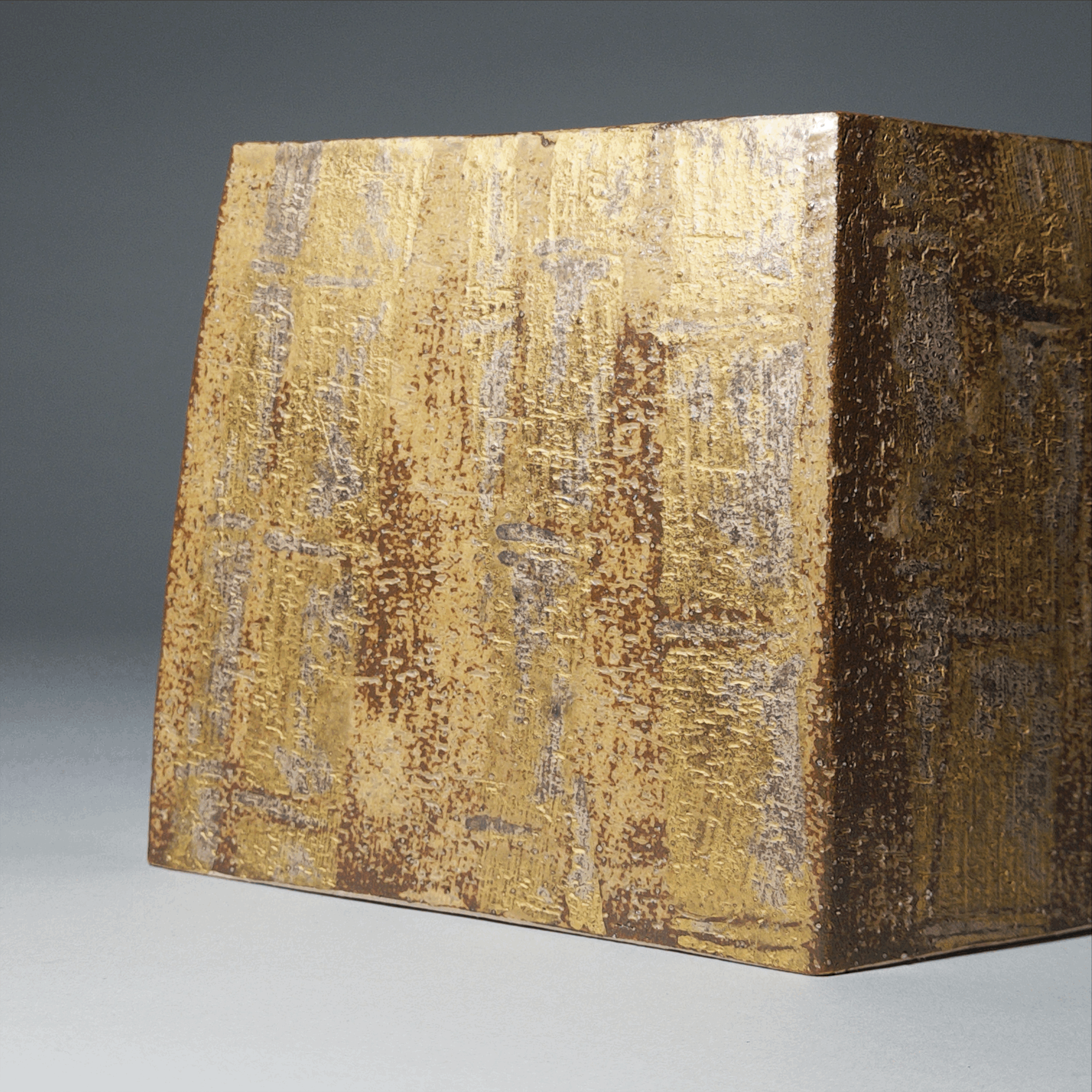 Image 2 of 10
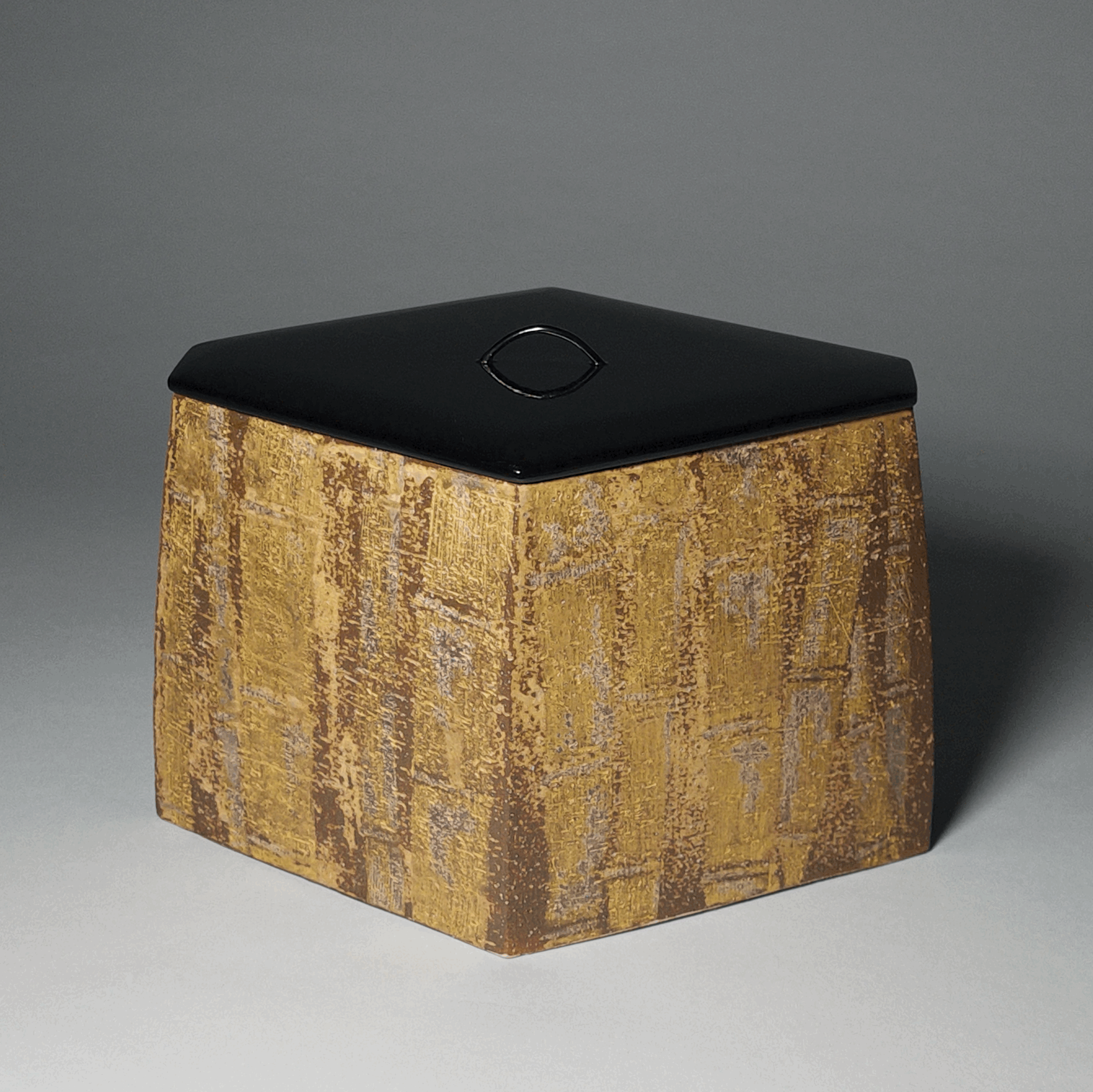 Image 3 of 10
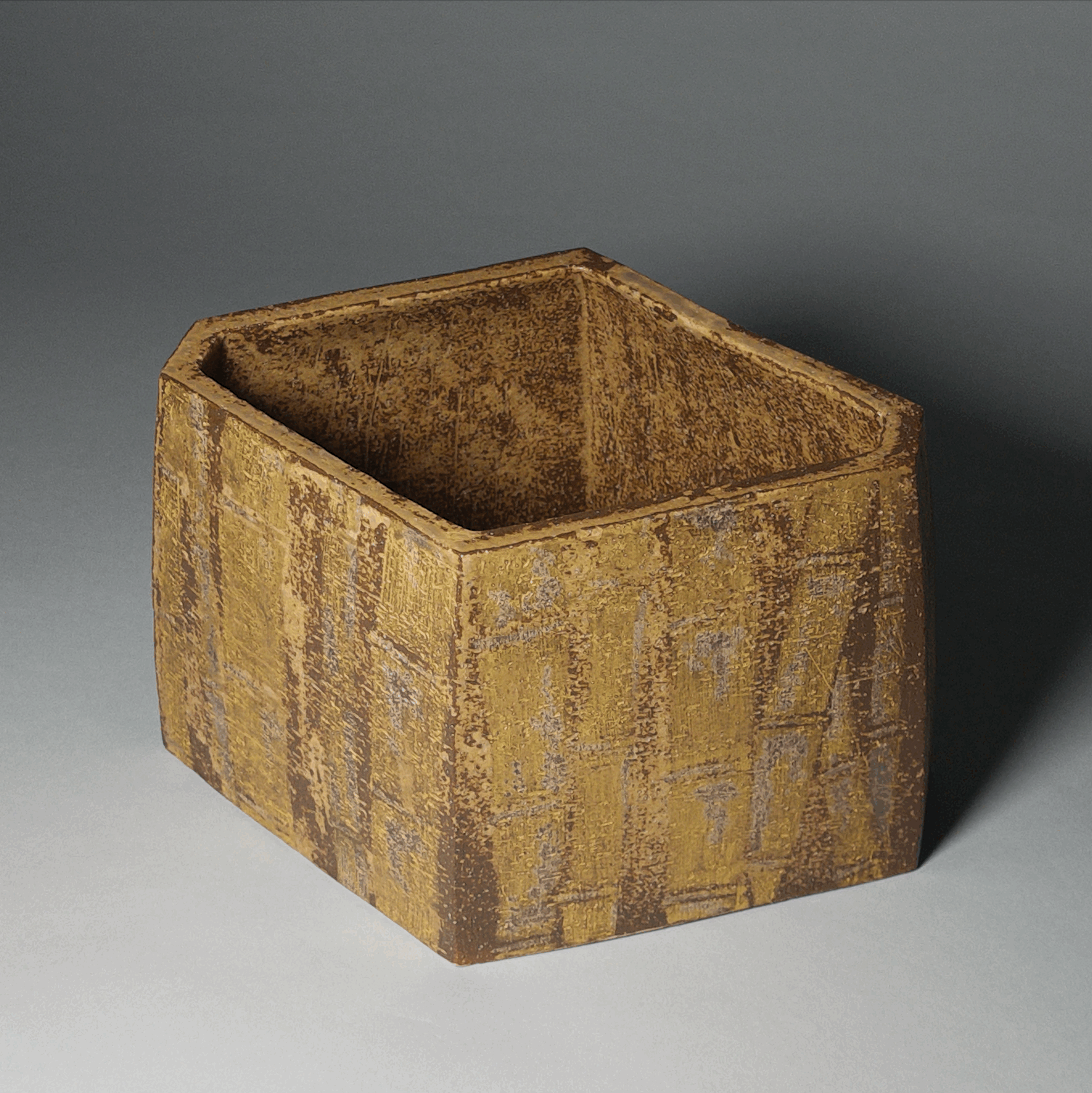 Image 4 of 10
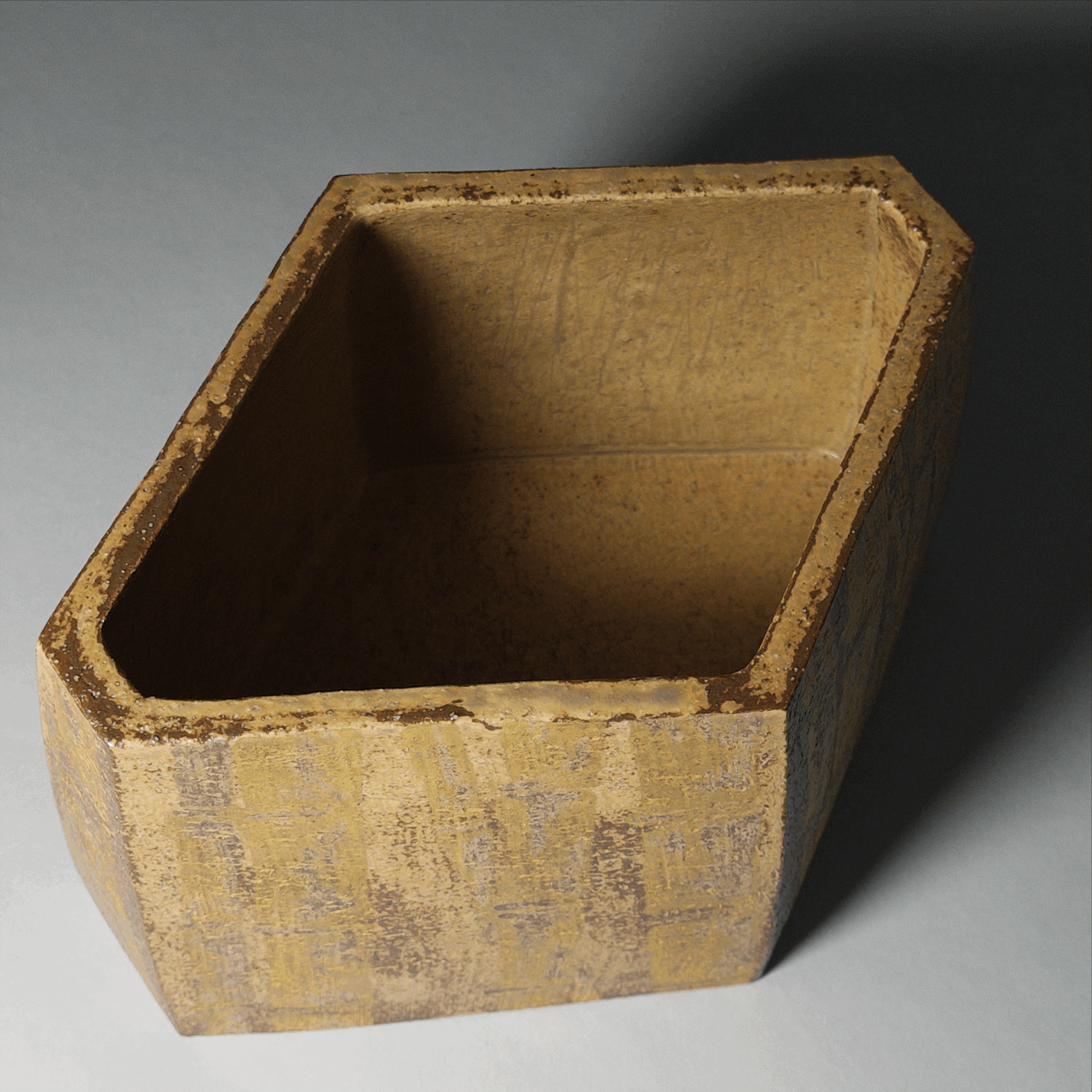 Image 5 of 10
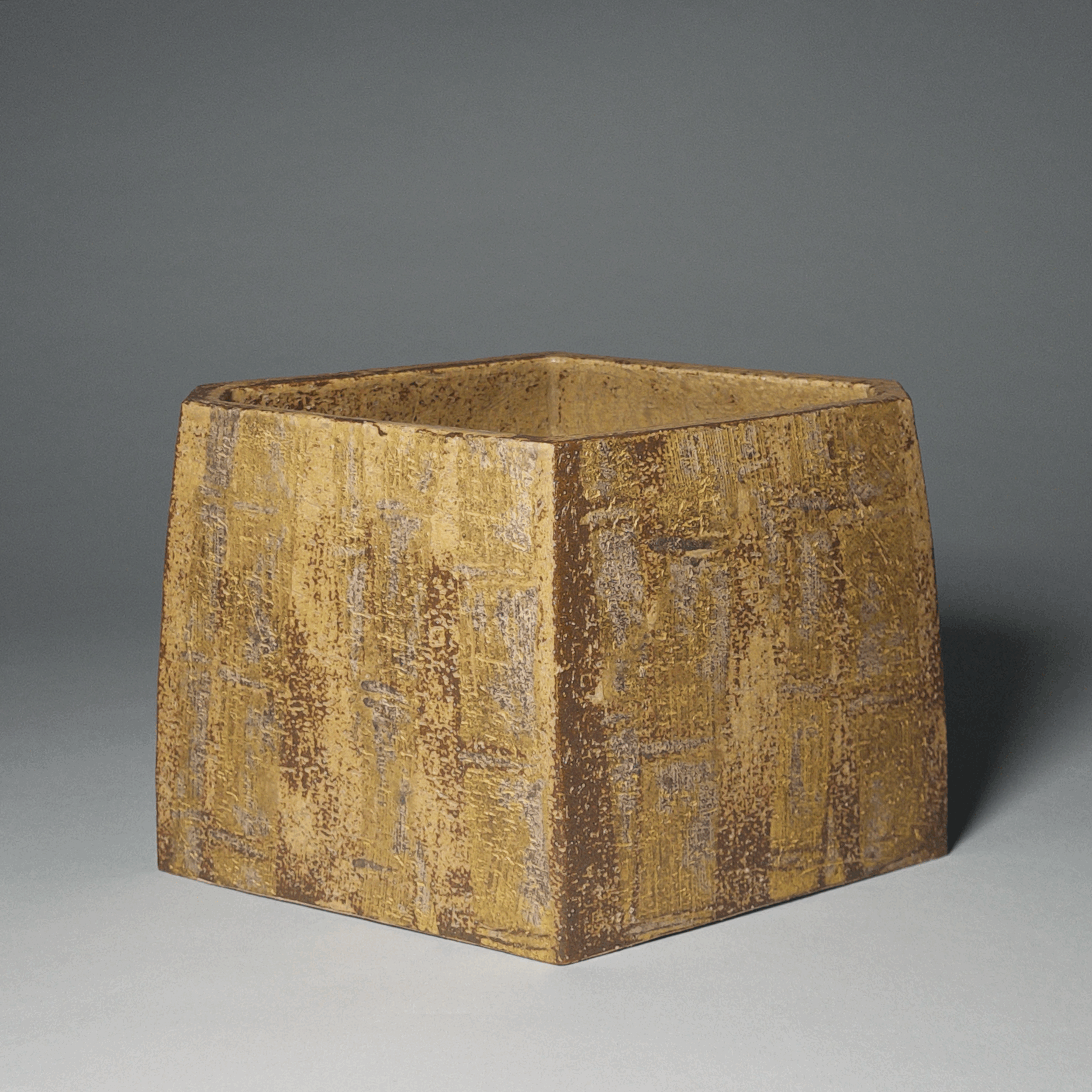 Image 6 of 10
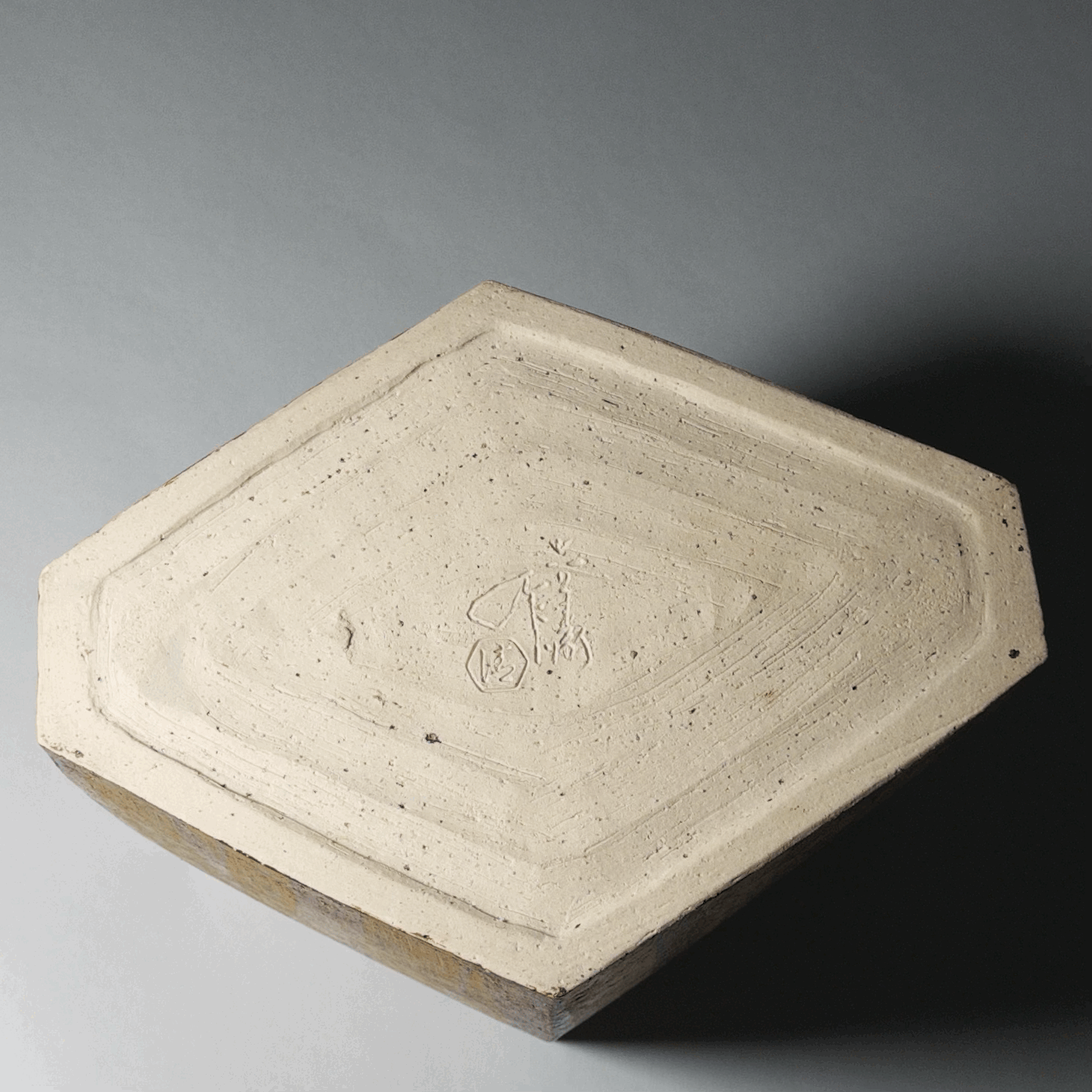 Image 7 of 10
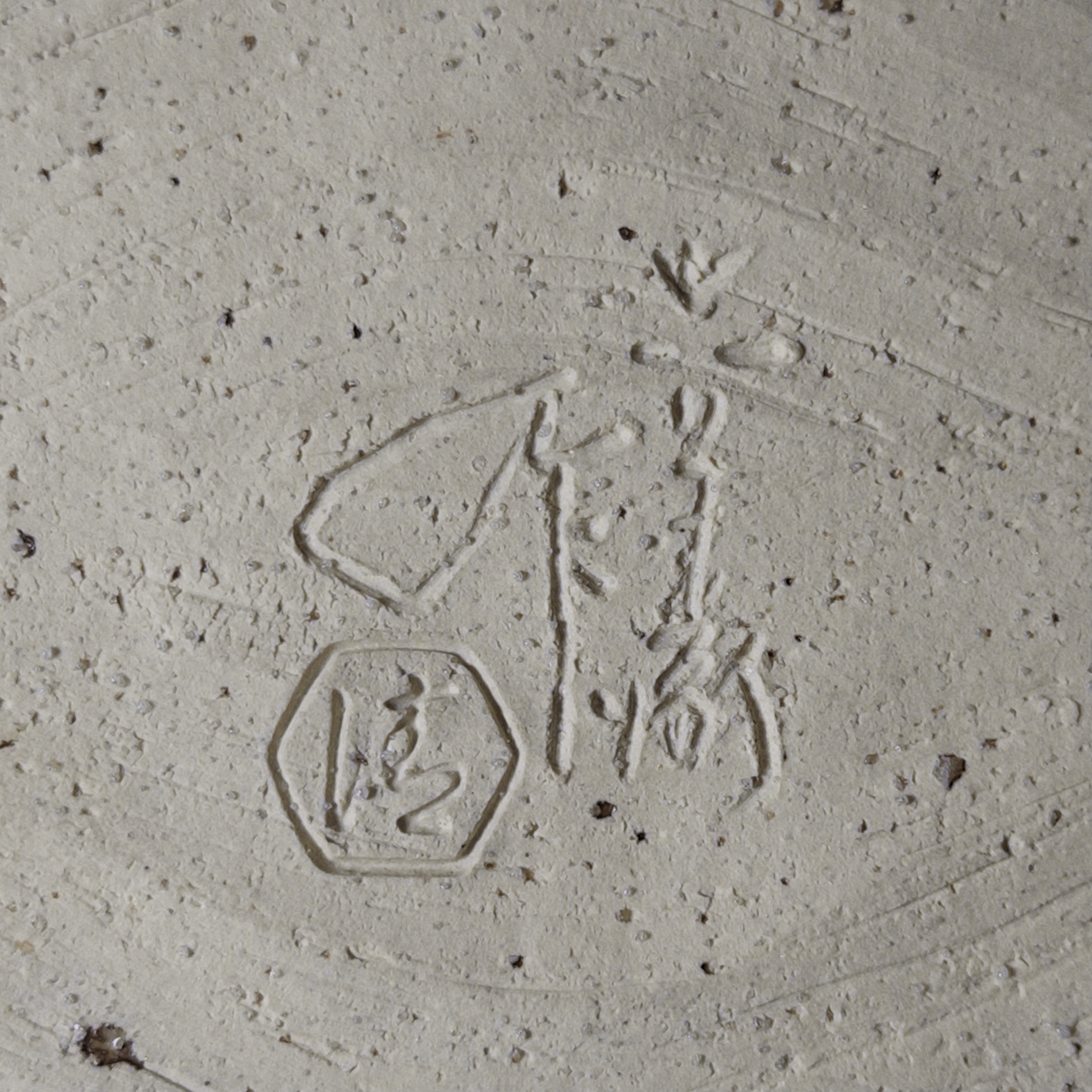 Image 8 of 10
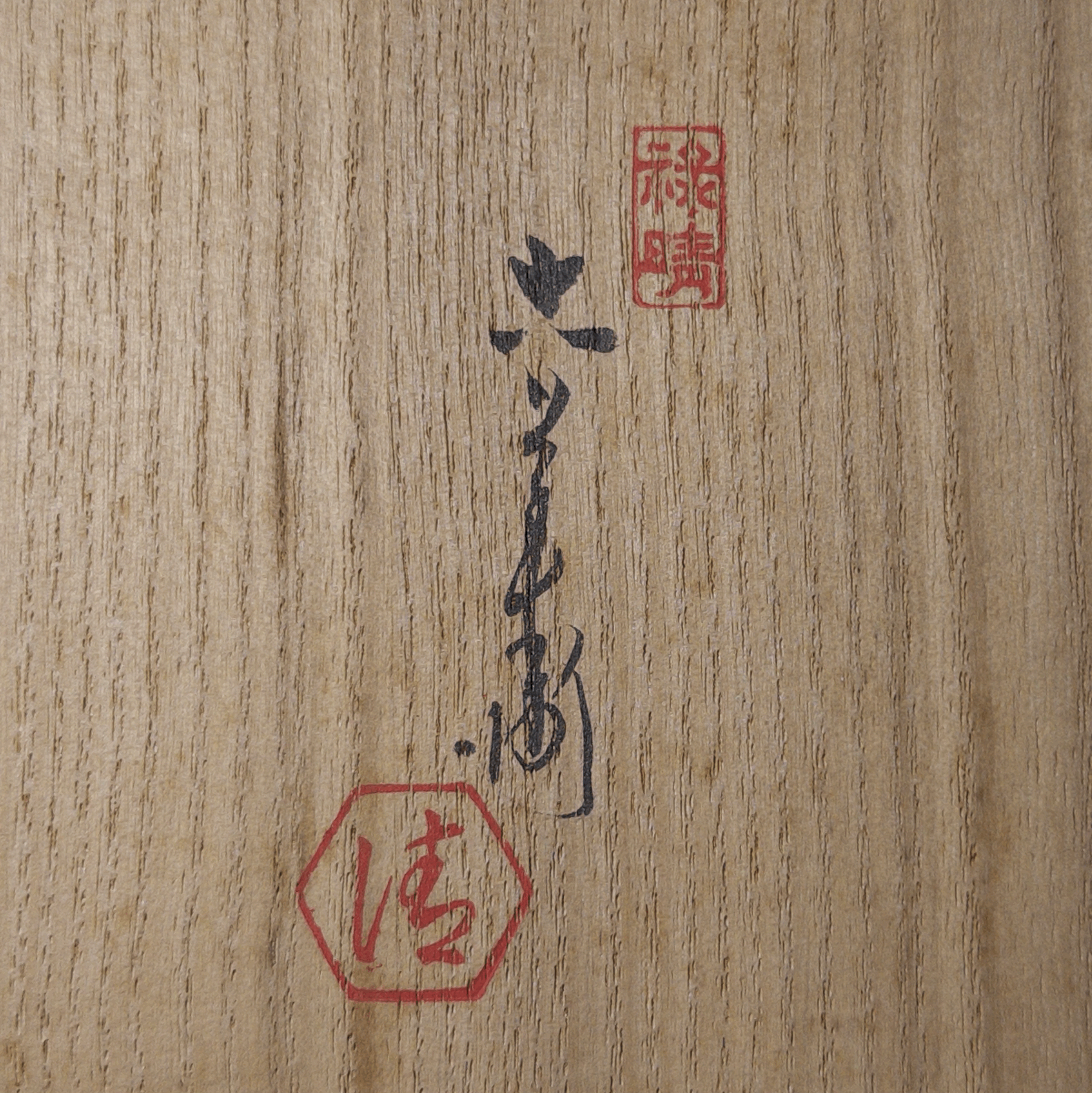 Image 9 of 10
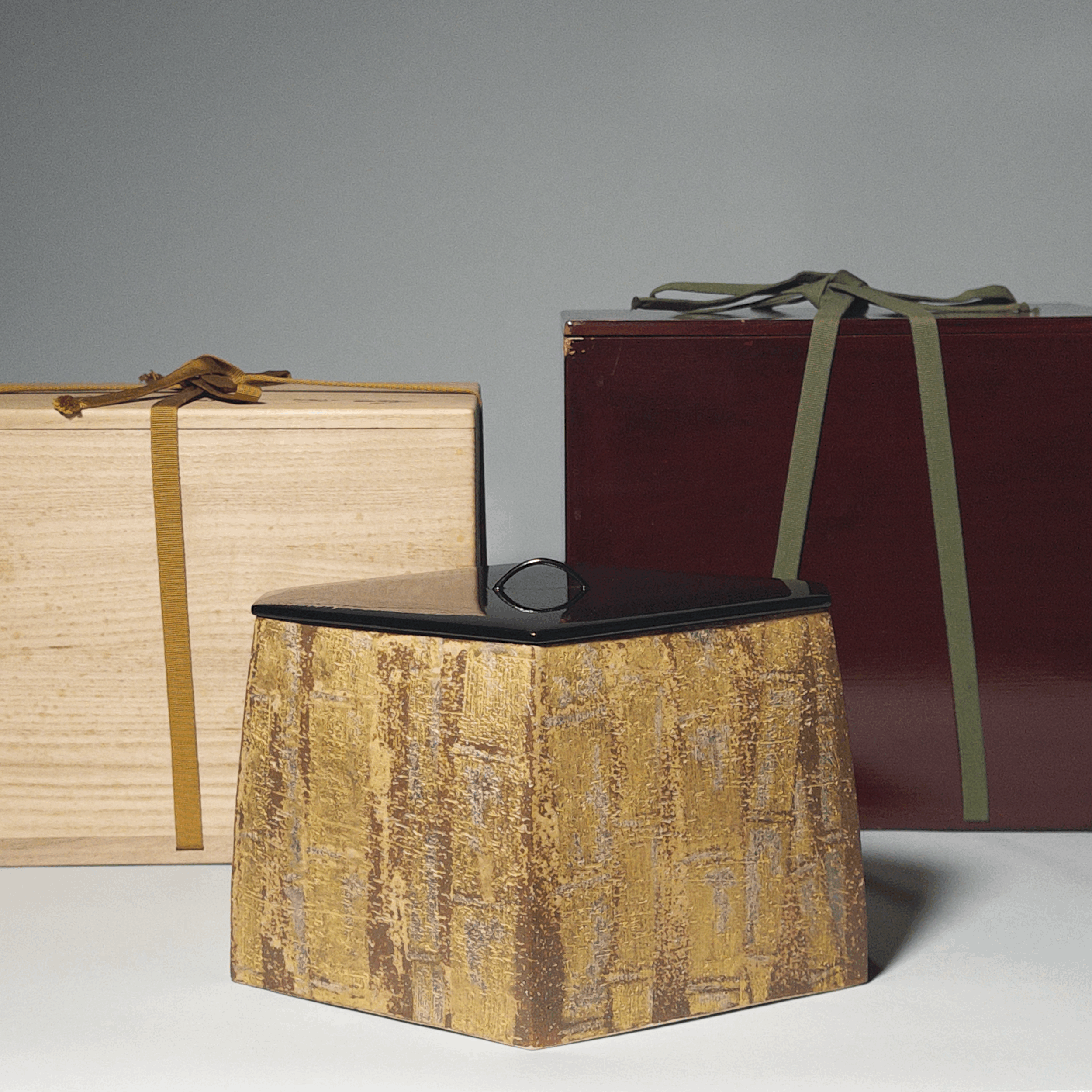 Image 10 of 10