Heisei Period (1989-2019), c. 2000
Mino, Japan
Of kutsu (clog) form in Momoyama style, with carved and stamped abstract decoration, with green and iron-brown glaze splashes to the sides. With the tomobako (signed box). Cat. 758
7.75cm high, 13cm diameter
Katō Yaemon (加藤弥右衛門, b. 1942) is a Japanese ceramic artist working in the Mino tradition of Gifu Prefecture, renowned particularly for his interpretations of Momoyama-period tea ceramics. The third son of the celebrated Mino potter Katō Jūemon (1894–1974), he inherited a long family tradition of ceramic production tracing its lineage to the historic Mino pottery tradition of Ōhira. He trained at the Kotani Institute of Ceramics and subsequently under his father, whose dedication to the revival of Momoyama-period wares, particularly Shino, Ki-Seto, Oribe and Mino-Iga, profoundly influenced his practice. Following his father's death, Yaemon established his own Ōgaya kiln at Kani, Gifu, adjacent to the historic Yashichida kiln site, where he continues to explore the forms, glazes and expressive qualities of classical Mino tea ceramics. He was recognised as a holder of Kani City's Important Intangible Cultural Property for Shino ware, reflecting his contribution to the preservation and continuation of this historic ceramic tradition.

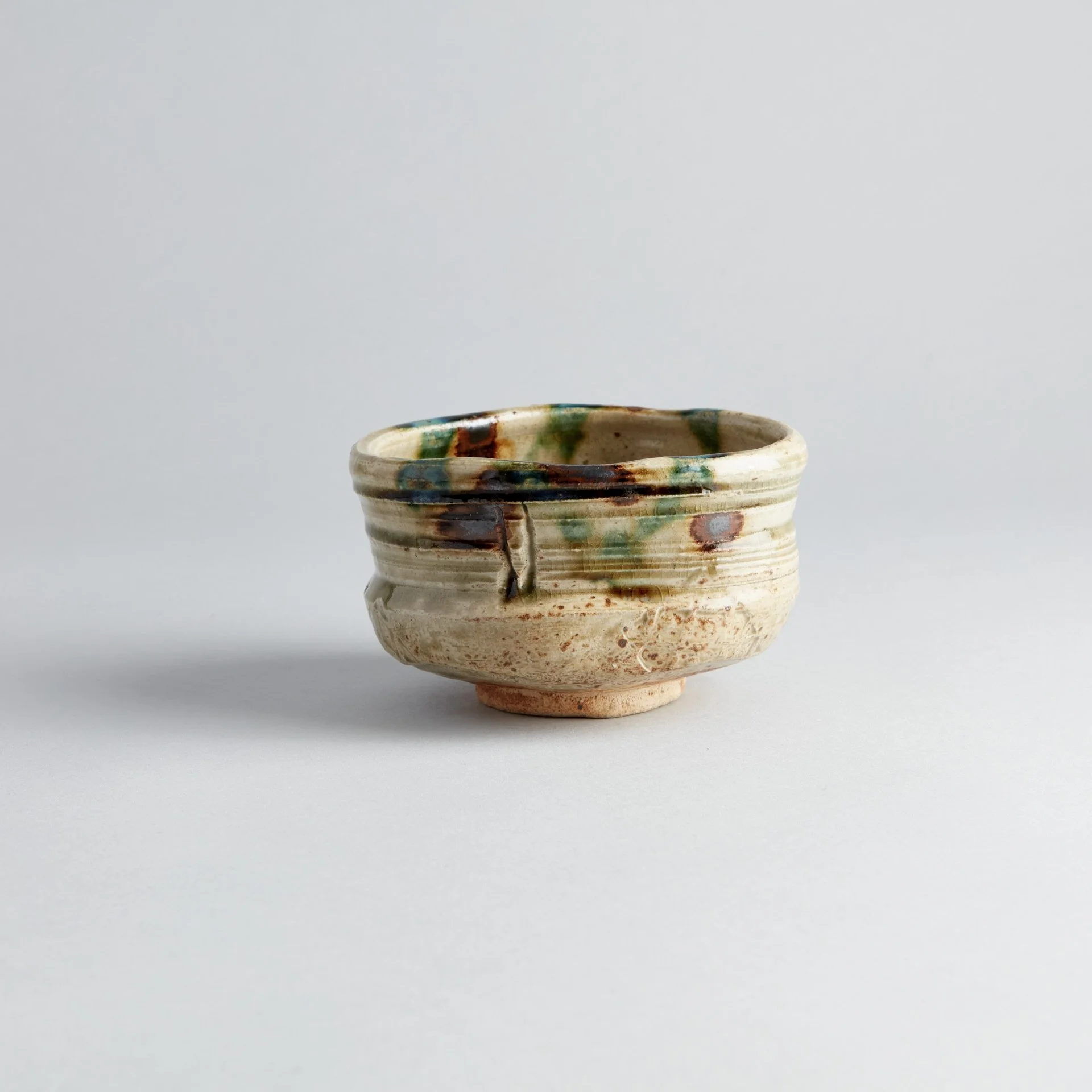 Image 1 of 8
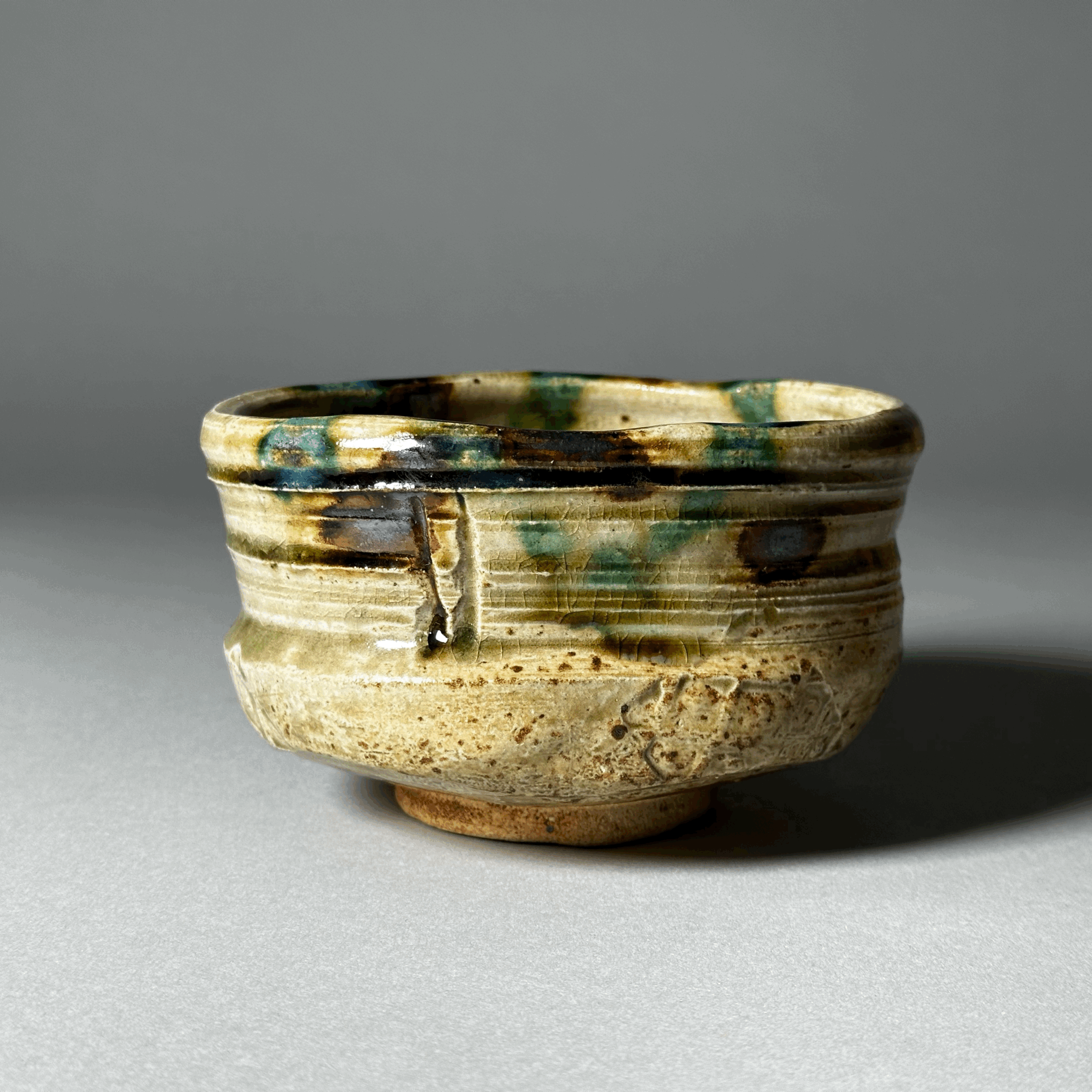 Image 2 of 8
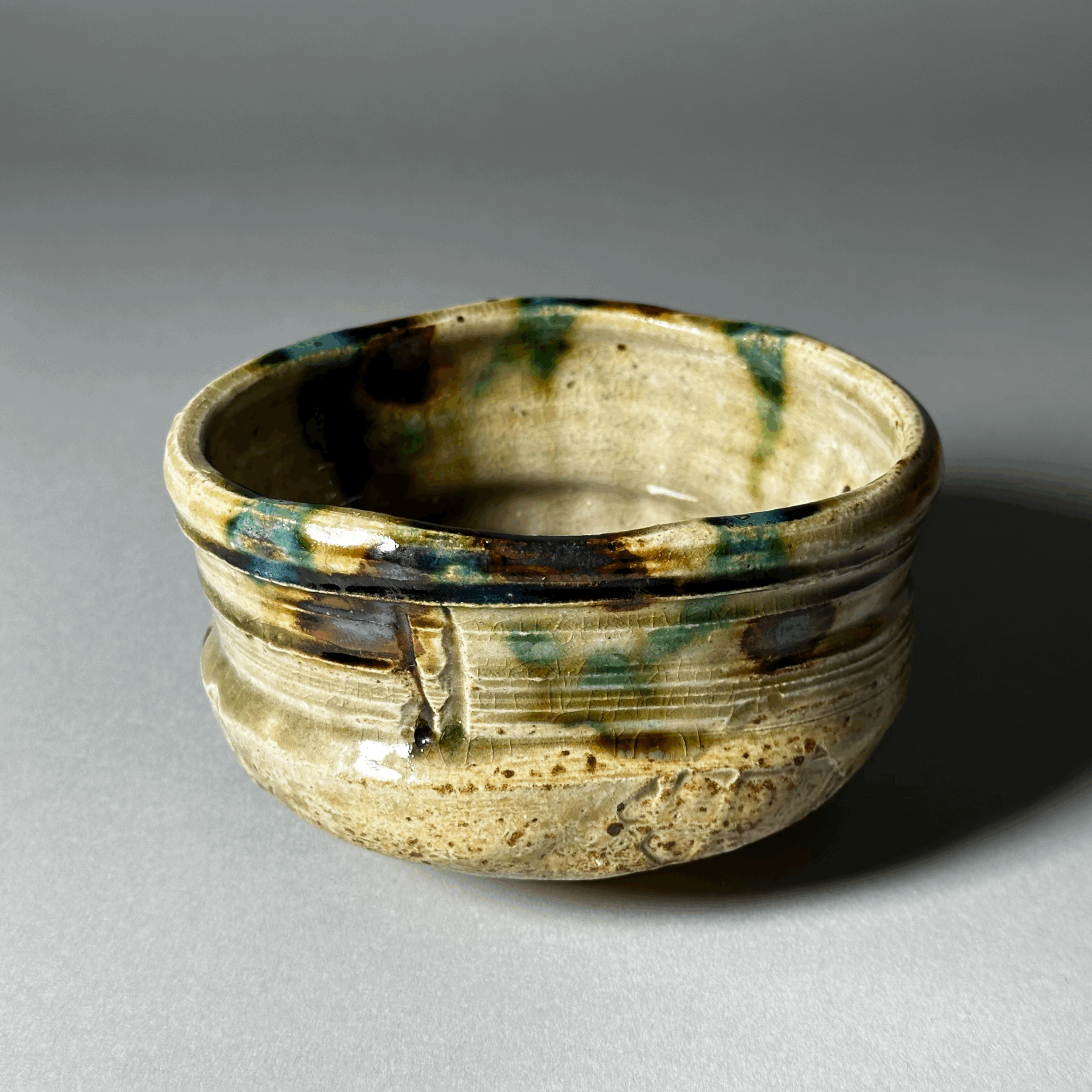 Image 3 of 8
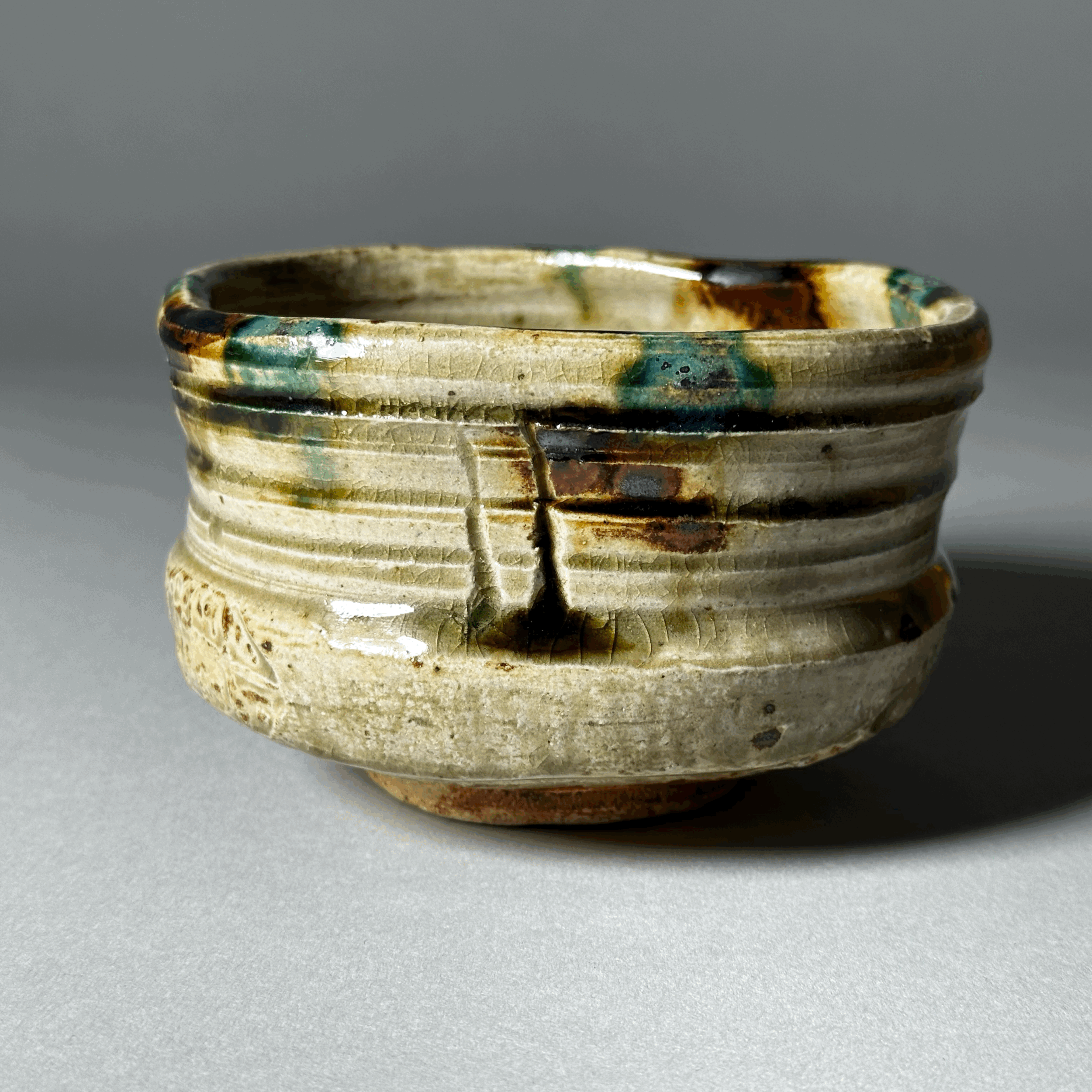 Image 4 of 8
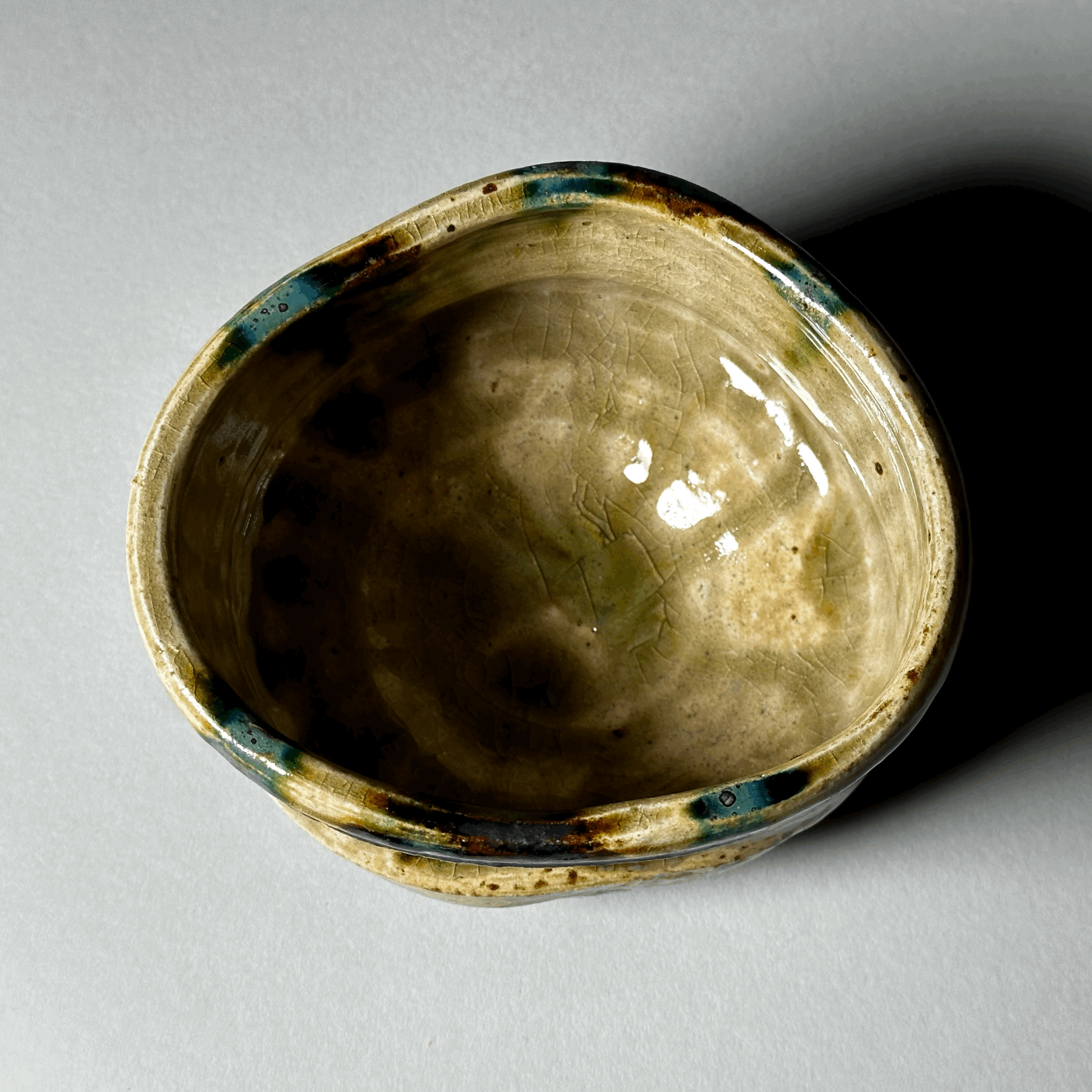 Image 5 of 8
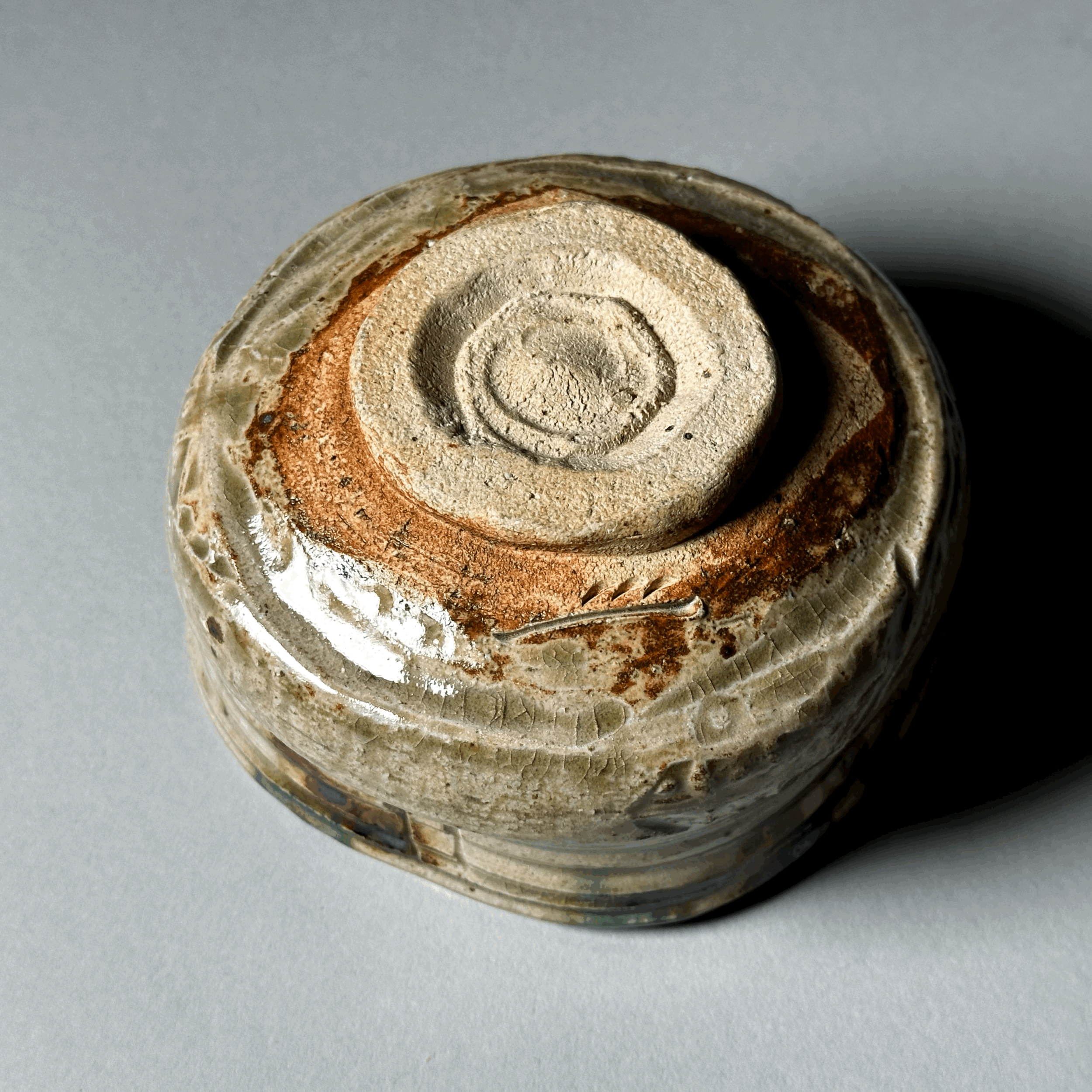 Image 6 of 8
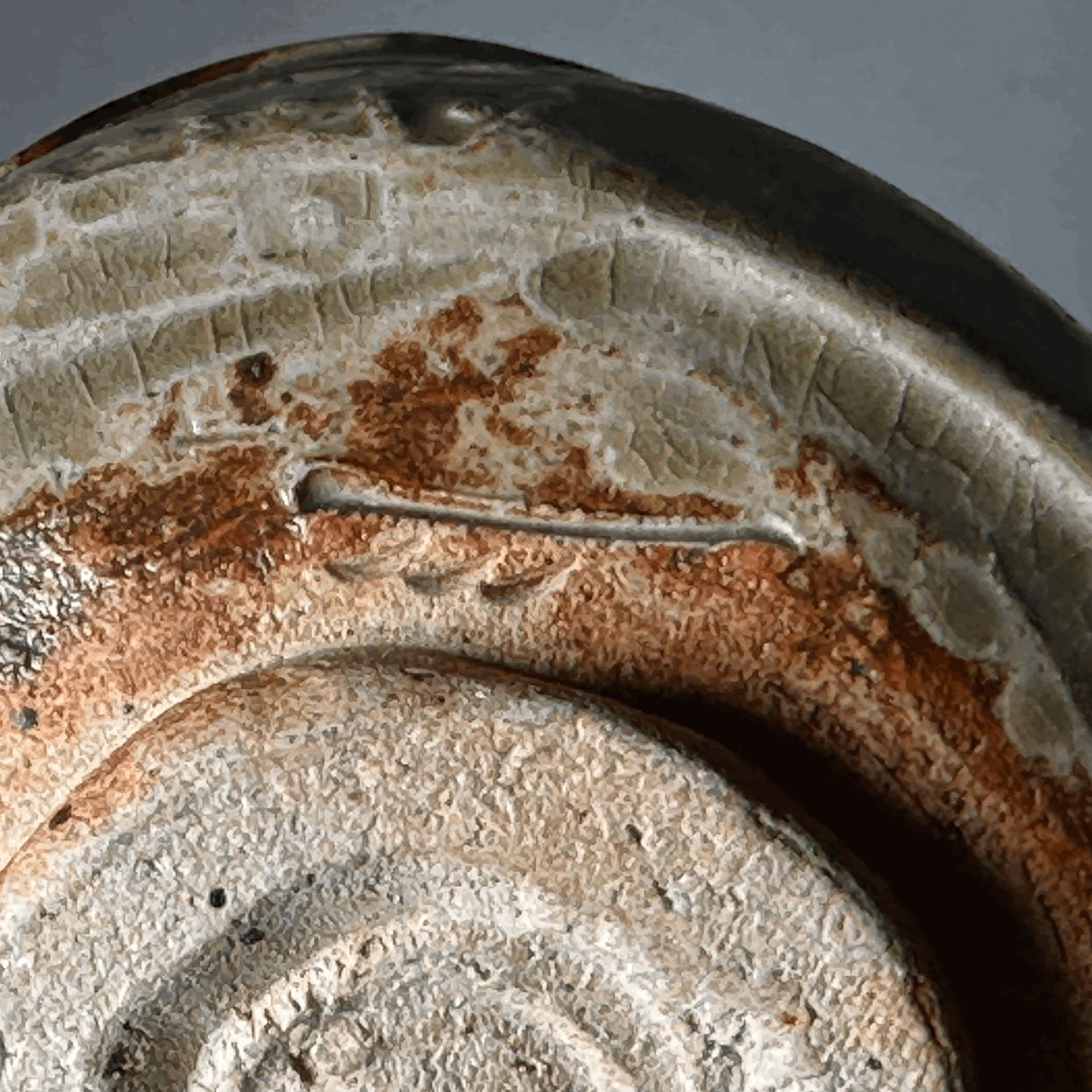 Image 7 of 8
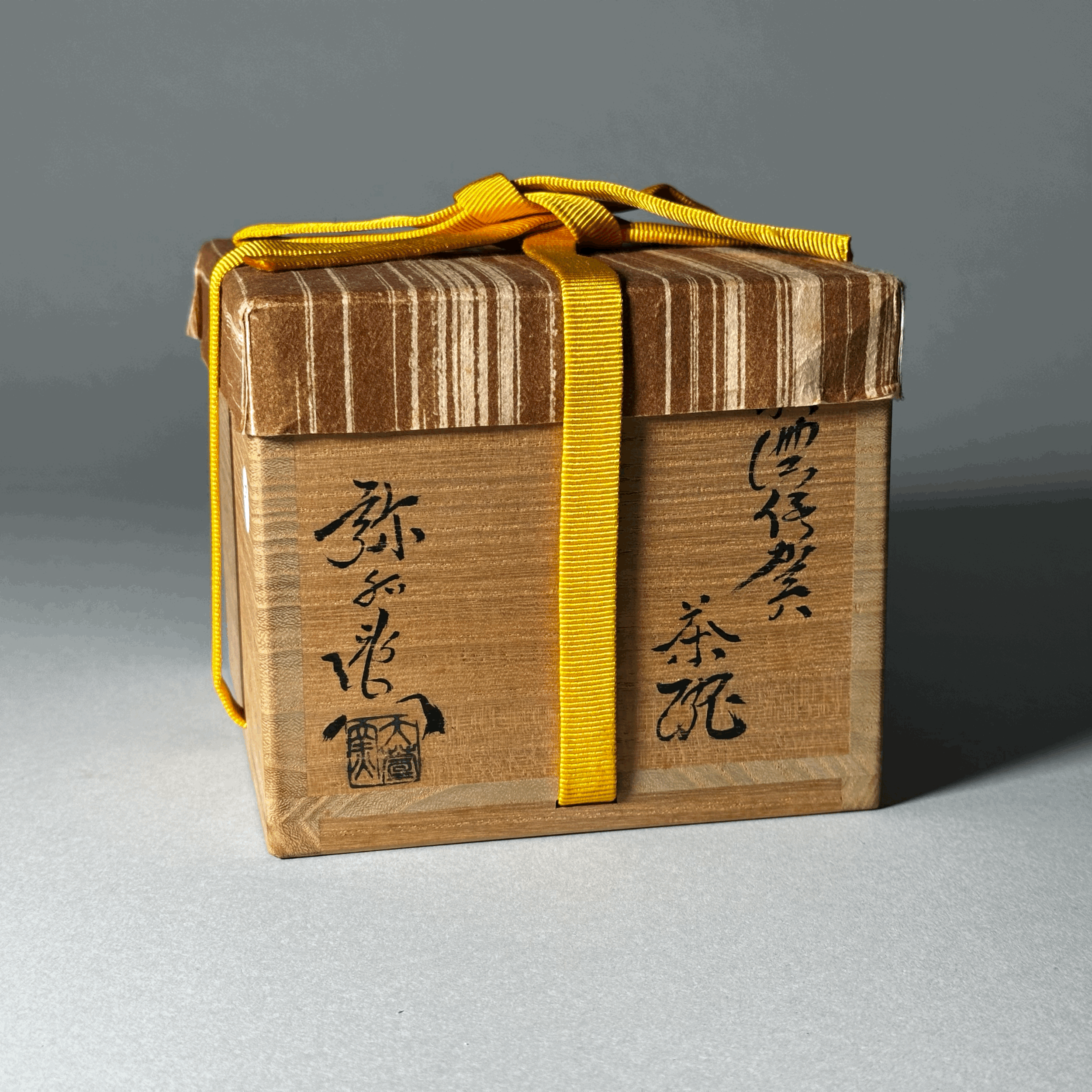 Image 8 of 8