Showa Period (1926-1989), c. 1950s
Mashiko, Japan
Thickly potted in stoneware with abstract tetsuyu (iron-black) splashes against a kakiyu (persimmon) ground, the neck with two green splashes, signed to base. With the tomobako (signed box). Cat. 604
27.75cm high, 15.5cm diameter
Sakuma Tōtarō (佐久間藤太郎, 1900–1976) was an important Japanese potter associated with the development of the Mingei folk-craft movement in Mashiko. Born into a family of potters, he inherited his family's kiln and initially worked within the established Mashiko ceramic tradition. His meeting with Hamada Shōji in 1924 proved influential, inspiring him to explore new forms, glazes and decorative approaches while retaining the regional character of Mashiko ware. Through his association with Hamada, he also came into contact with leading figures of the Mingei movement, including Yanagi Sōetsu, Kawai Kanjirō and Bernard Leach. His work is characterised by robust stoneware forms, natural ash and iron glazes, and expressive brush decoration, often depicting flowers, trees and other natural motifs. He became an important figure in establishing Mashiko as a centre of contemporary folk-art ceramics, helping to develop a distinctive regional pottery tradition that combined functional simplicity with individual artistic expression.

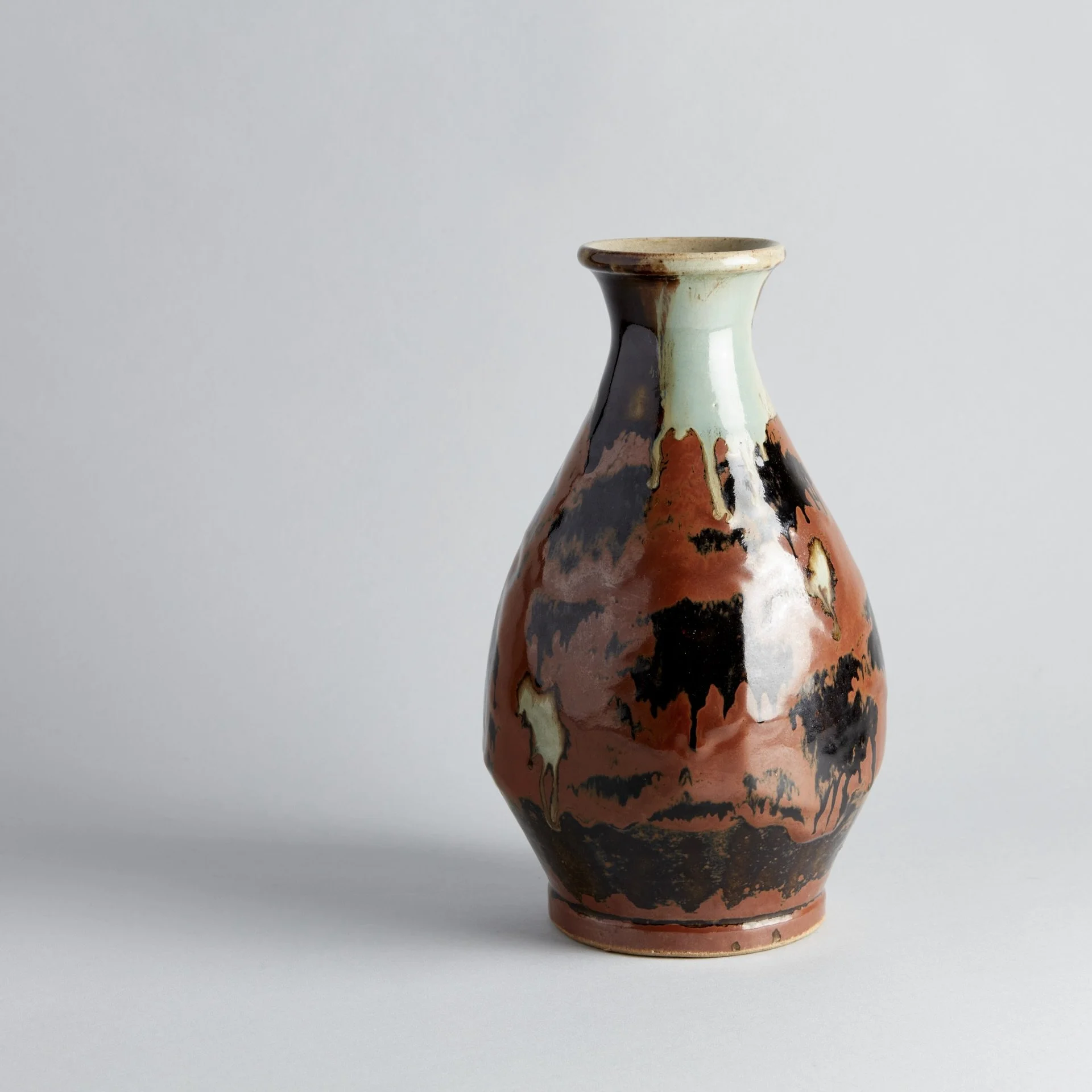 Image 1 of 9
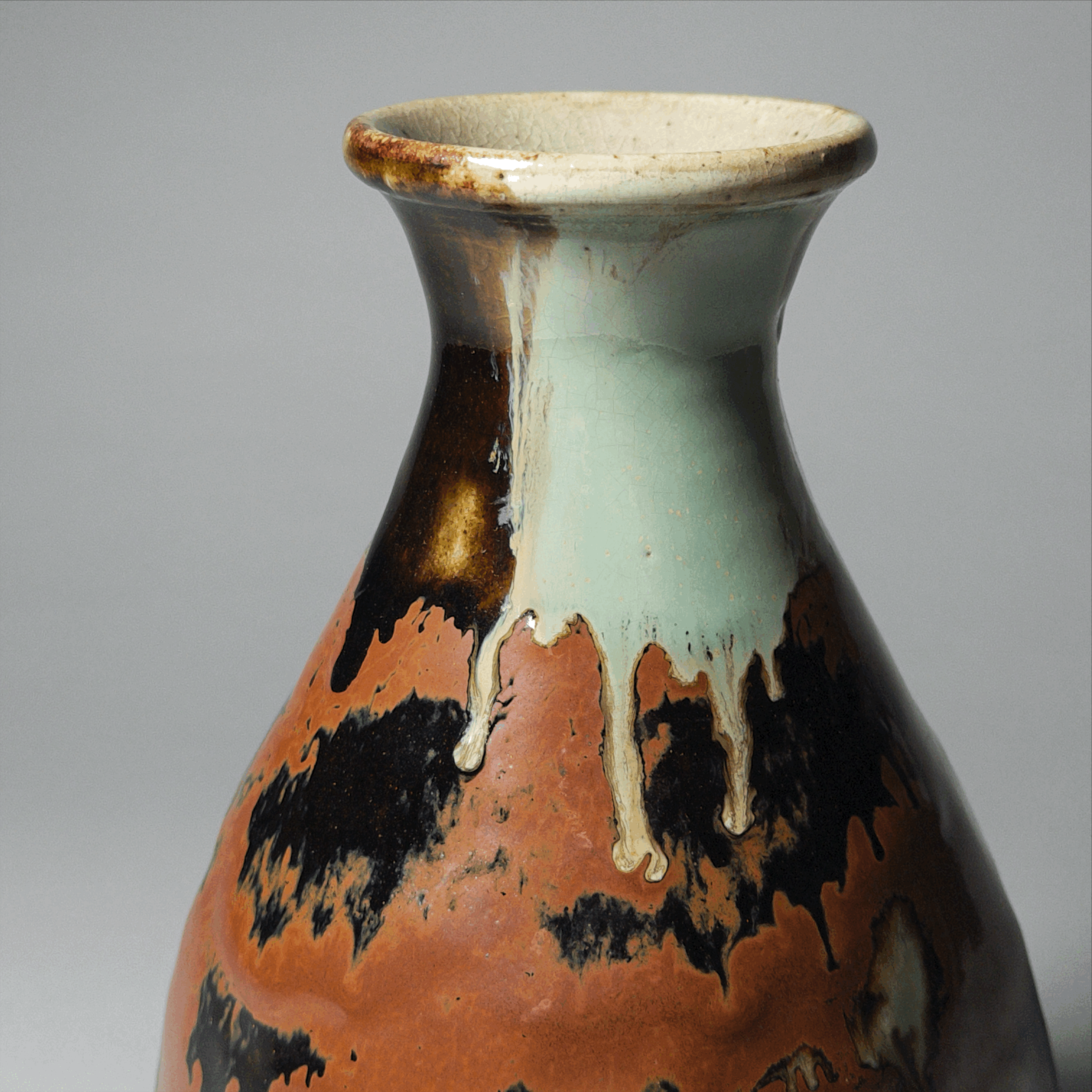 Image 2 of 9
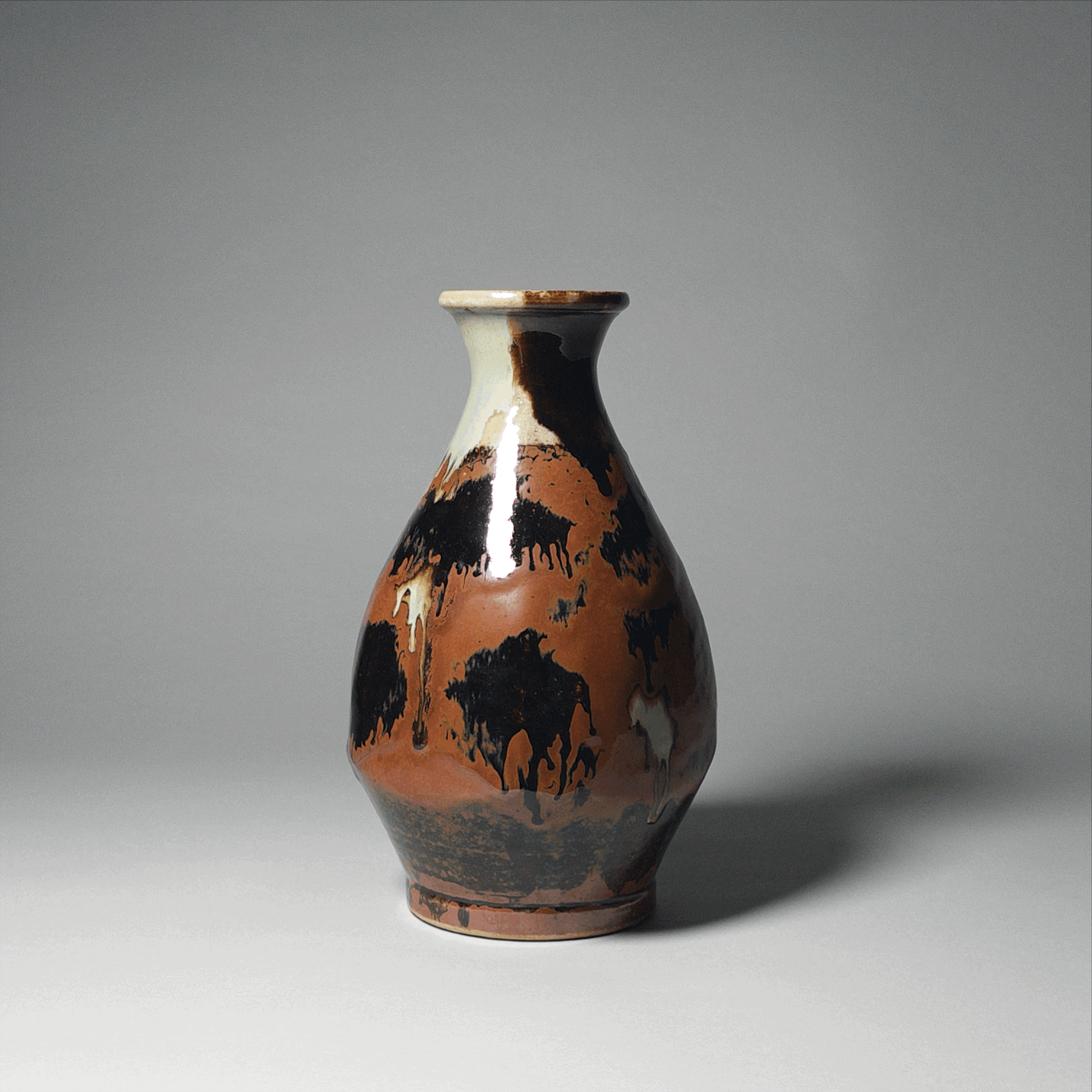 Image 3 of 9
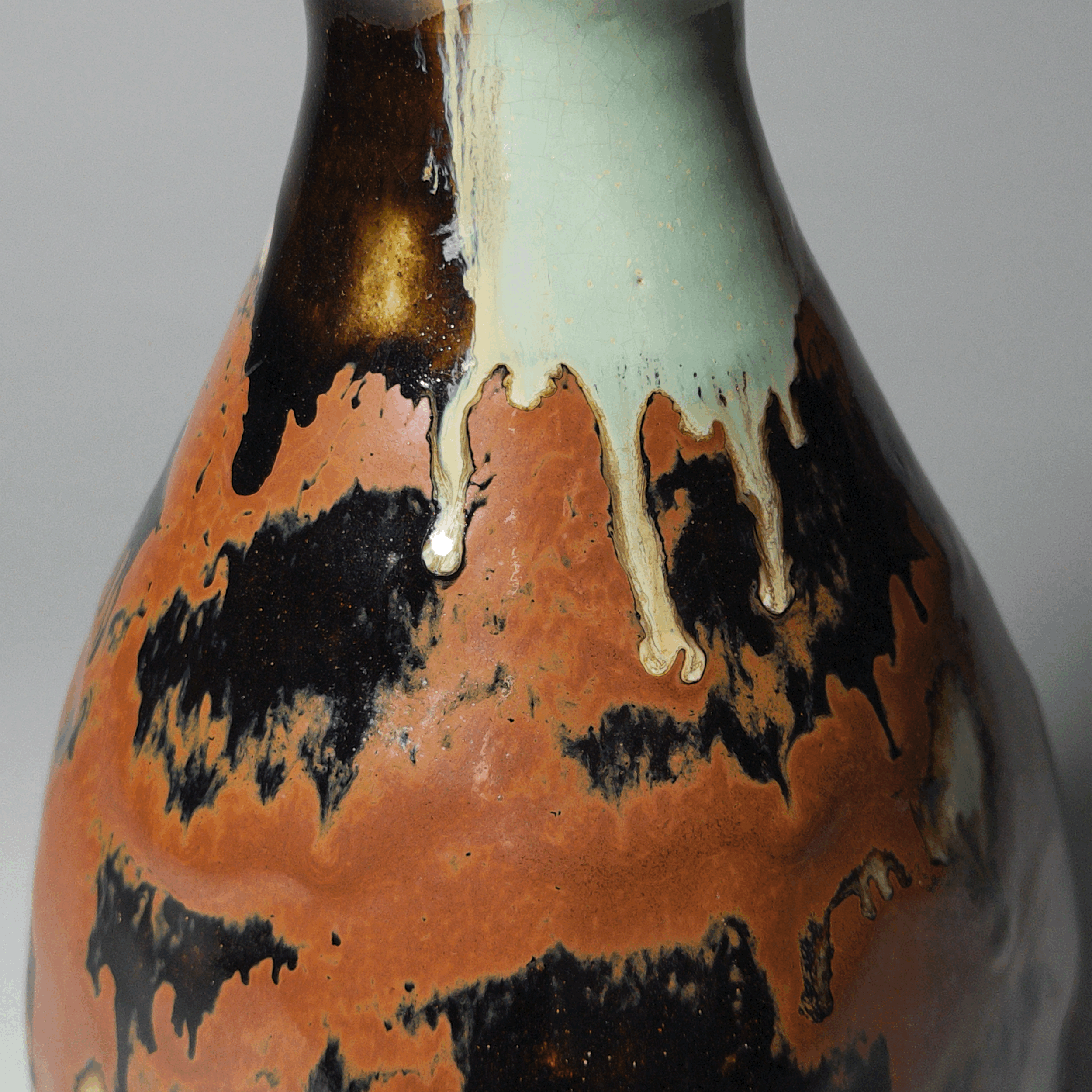 Image 4 of 9
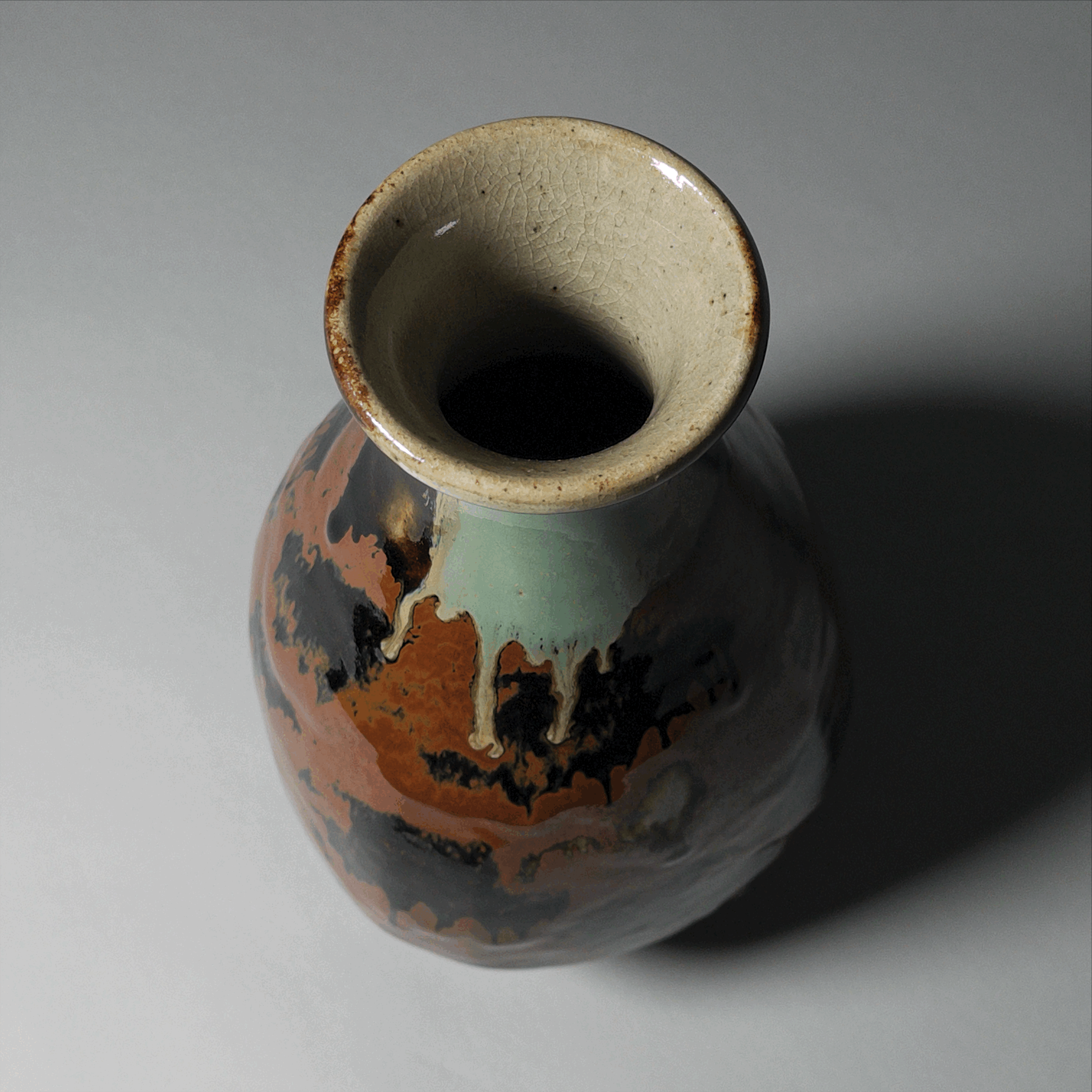 Image 5 of 9
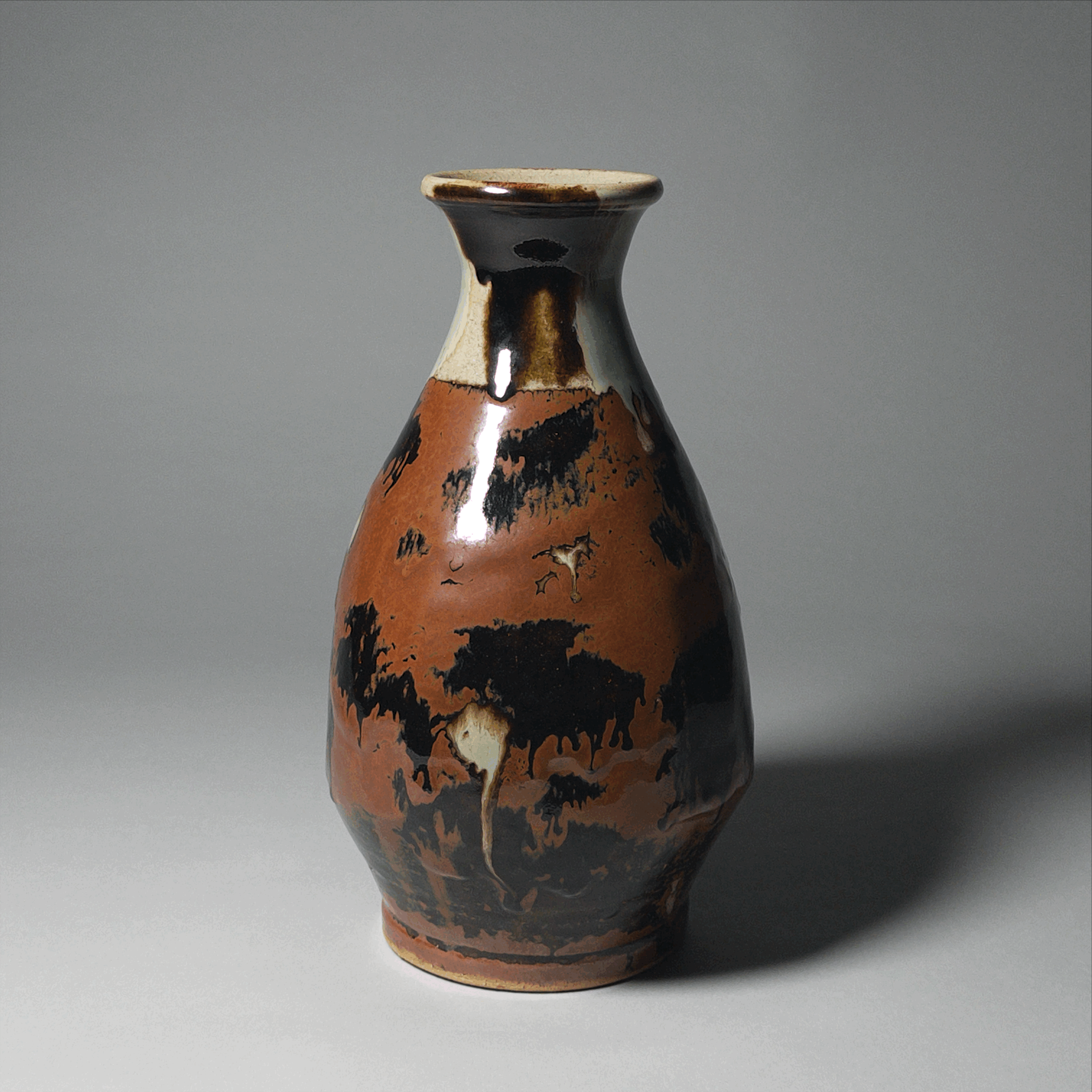 Image 6 of 9
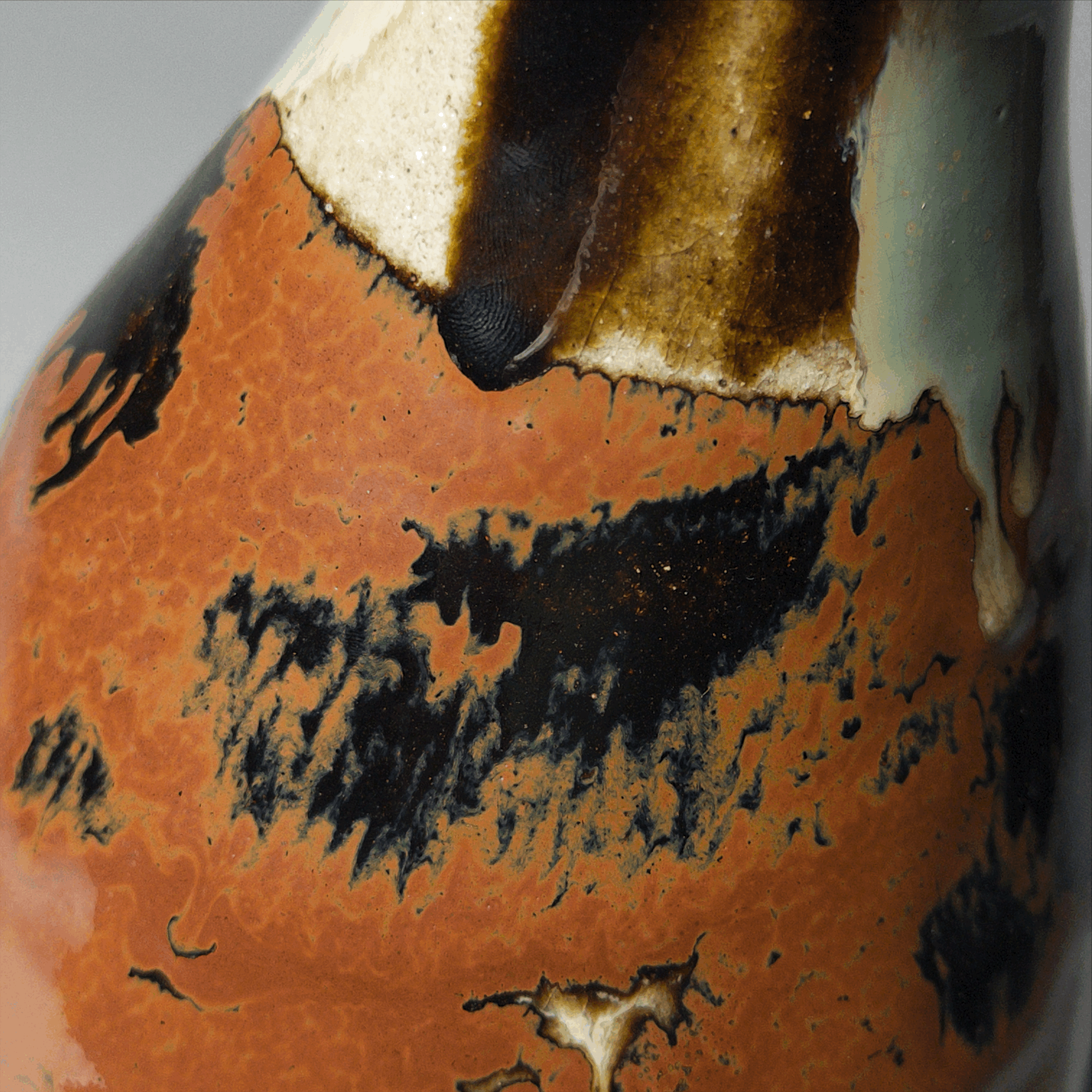 Image 7 of 9
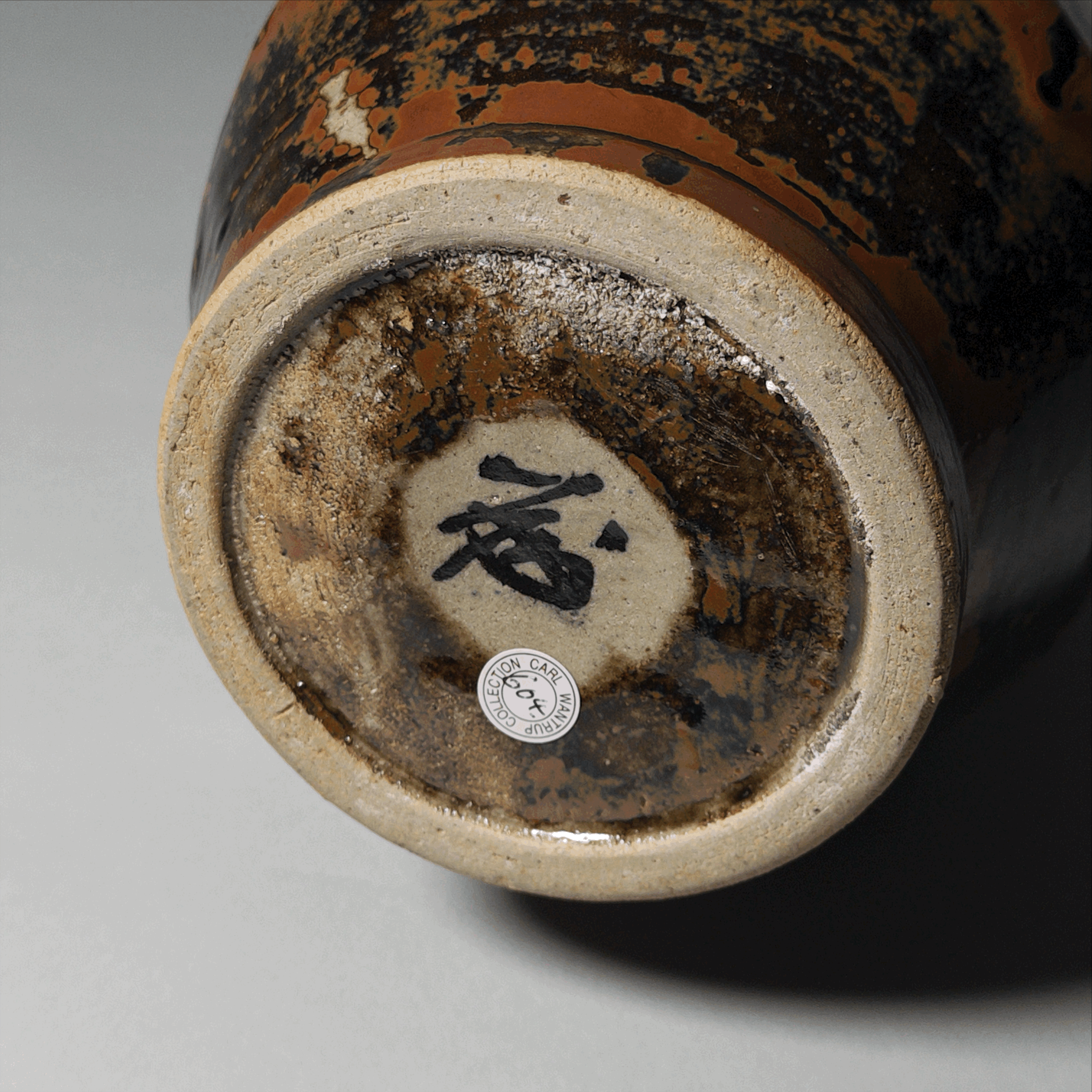 Image 8 of 9
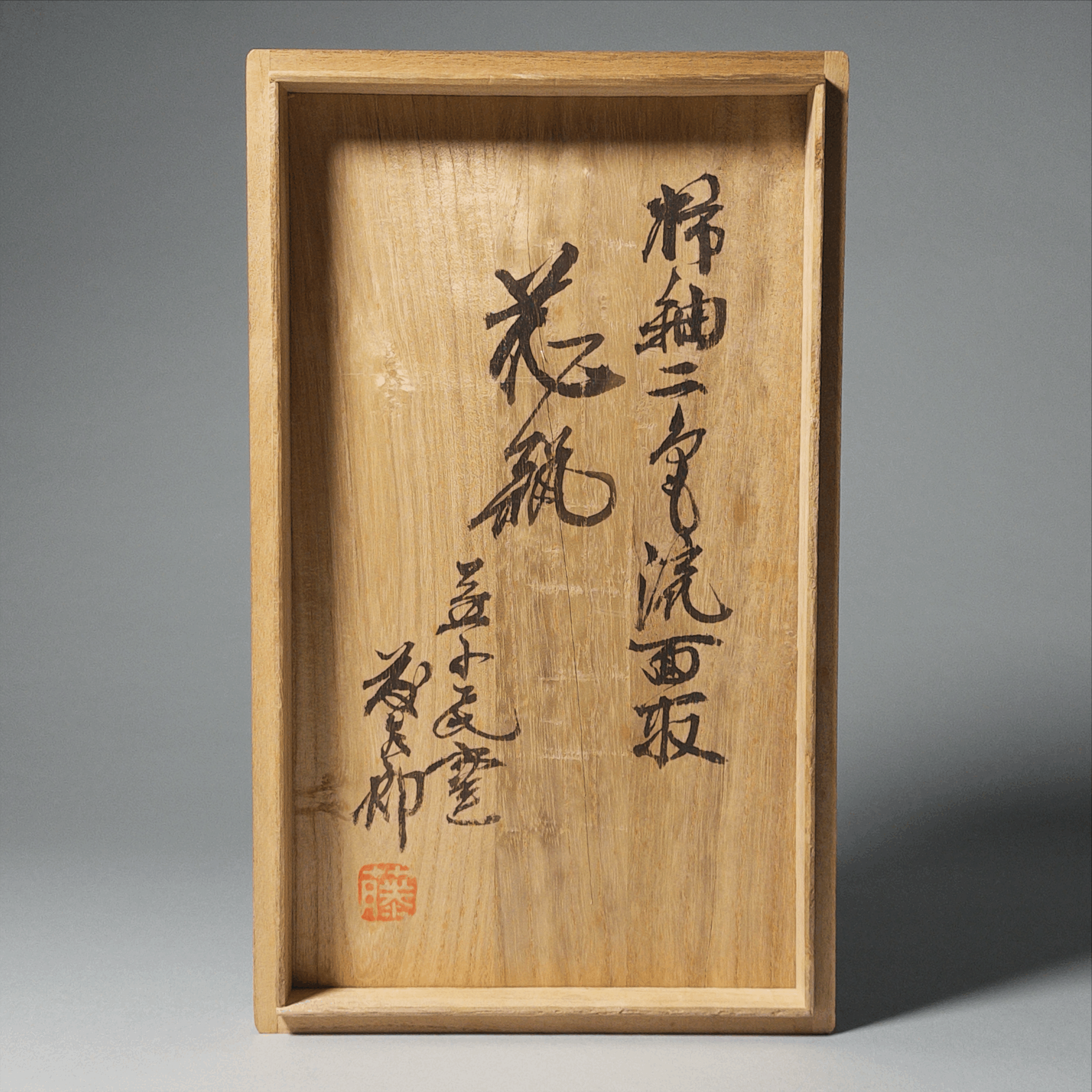 Image 9 of 9