Kakiemon kiln, Nangawara Valley, Kyushu, Japan
Edo Period (1603-1868), c. 1690-1710
Moulded in the form of an open fan with raised paper folds and spokes to the interior in nigoshide/niuhakude (milky-white) Kakiemon porcelain body, raised on a high foot, the interior paper folds decorated with a scene of a group of huts to the right and with a pair of geese amongst water reeds to the left in the manner of Nonomura Ninsei (1648-1690) in overglaze enamels, the fan spokes and the interior of the rim with shippo design in iron red and gilding, the exterior of the foot with flower-petal lappet border in iron red. 3.5cm high, 22.25cm wide. Perfect condition. Together with an early black lacquered wooden Japanese box affixed with an old inscribed paper label.
Cat. 787
Nonomura Ninsei (active second half 17th century)
Ninsei was one of the most important early Kyoto ceramicists and is widely credited with establishing the refined Kyō-yaki aesthetic through his elegant kirei-sabi (“subdued refinement”) style, which balanced tea-ceremony taste with decorative sophistication. He pioneered the expressive use of overglaze enamel decoration (iro-e) on stoneware, often combining rich reds, greens, gold, and delicate brushwork with figurative or geometric designs (influenced by textile design) over iron-rich bodies, bringing surface decoration into Japanese ceramics at a new level of technical control and artistic ambition. His synthesis of courtly elegance, tea culture sensibility, and enamel ornament became foundational for later Kyoto masters such as Ogata Kenzan and had a lasting influence on Japanese ceramic design, particularly in the development of decorative enamelled wares that bridged utilitarian pottery and high art. This dish is an excellent example from the relatively rare group of Kakiemon wares made in the last quarter of the 17th century decorated with designs influenced by Ninsei.
Kakiemon kiln, Nangawara Valley, Kyushu, Japan
Edo Period (1603-1868), c. 1690-1710
Moulded in the form of an open fan with raised paper folds and spokes to the interior in nigoshide/niuhakude (milky-white) Kakiemon porcelain body, raised on a high foot, the interior paper folds decorated with a scene of a group of huts to the right and with a pair of geese amongst water reeds to the left in the manner of Nonomura Ninsei (1648-1690) in overglaze enamels, the fan spokes and the interior of the rim with shippo design in iron red and gilding, the exterior of the foot with flower-petal lappet border in iron red. 3.5cm high, 22.25cm wide. Perfect condition. Together with an early black lacquered wooden Japanese box affixed with an old inscribed paper label.
Cat. 787
Nonomura Ninsei (active second half 17th century)
Ninsei was one of the most important early Kyoto ceramicists and is widely credited with establishing the refined Kyō-yaki aesthetic through his elegant kirei-sabi (“subdued refinement”) style, which balanced tea-ceremony taste with decorative sophistication. He pioneered the expressive use of overglaze enamel decoration (iro-e) on stoneware, often combining rich reds, greens, gold, and delicate brushwork with figurative or geometric designs (influenced by textile design) over iron-rich bodies, bringing surface decoration into Japanese ceramics at a new level of technical control and artistic ambition. His synthesis of courtly elegance, tea culture sensibility, and enamel ornament became foundational for later Kyoto masters such as Ogata Kenzan and had a lasting influence on Japanese ceramic design, particularly in the development of decorative enamelled wares that bridged utilitarian pottery and high art. This dish is an excellent example from the relatively rare group of Kakiemon wares made in the last quarter of the 17th century decorated with designs influenced by Ninsei.

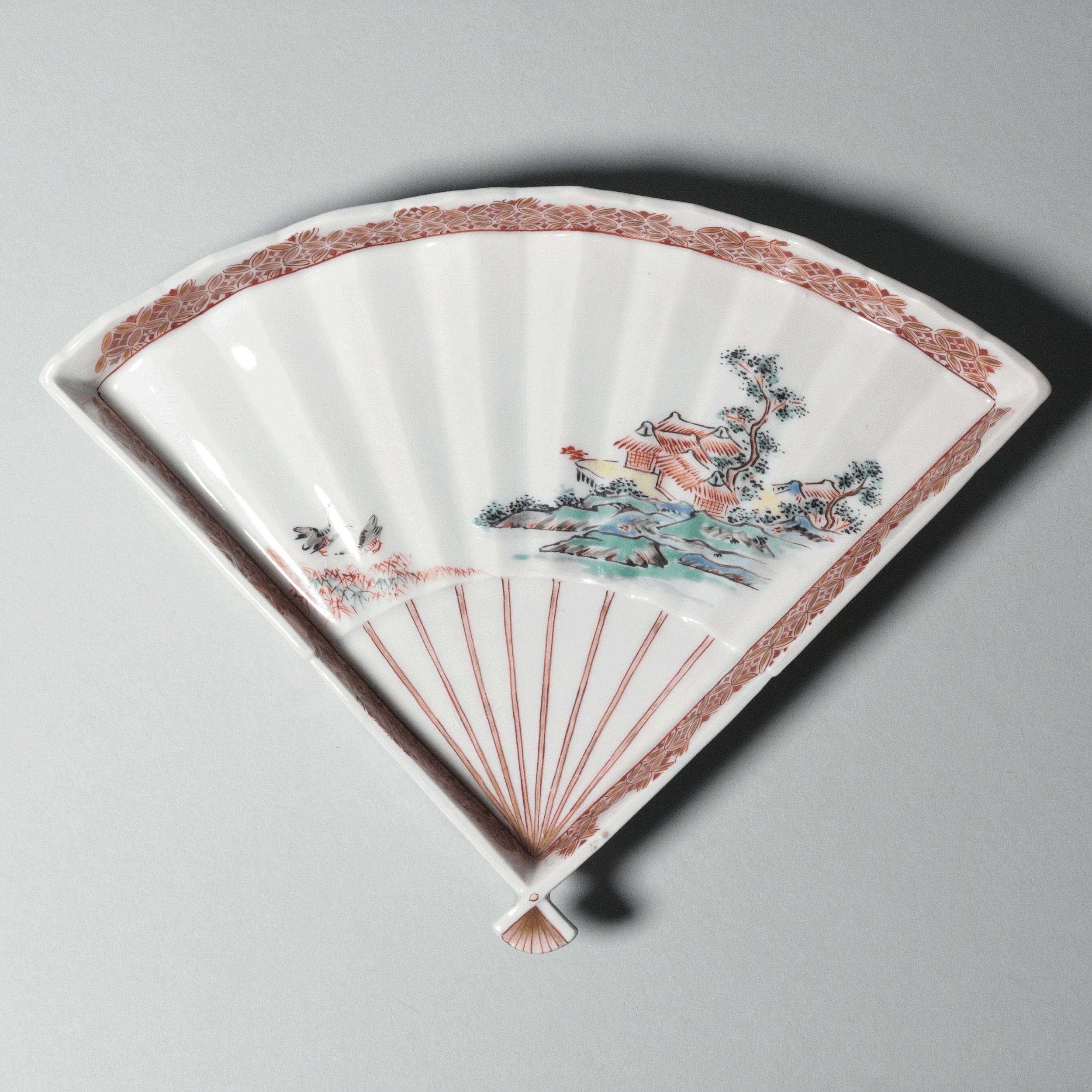 Image 1 of 10
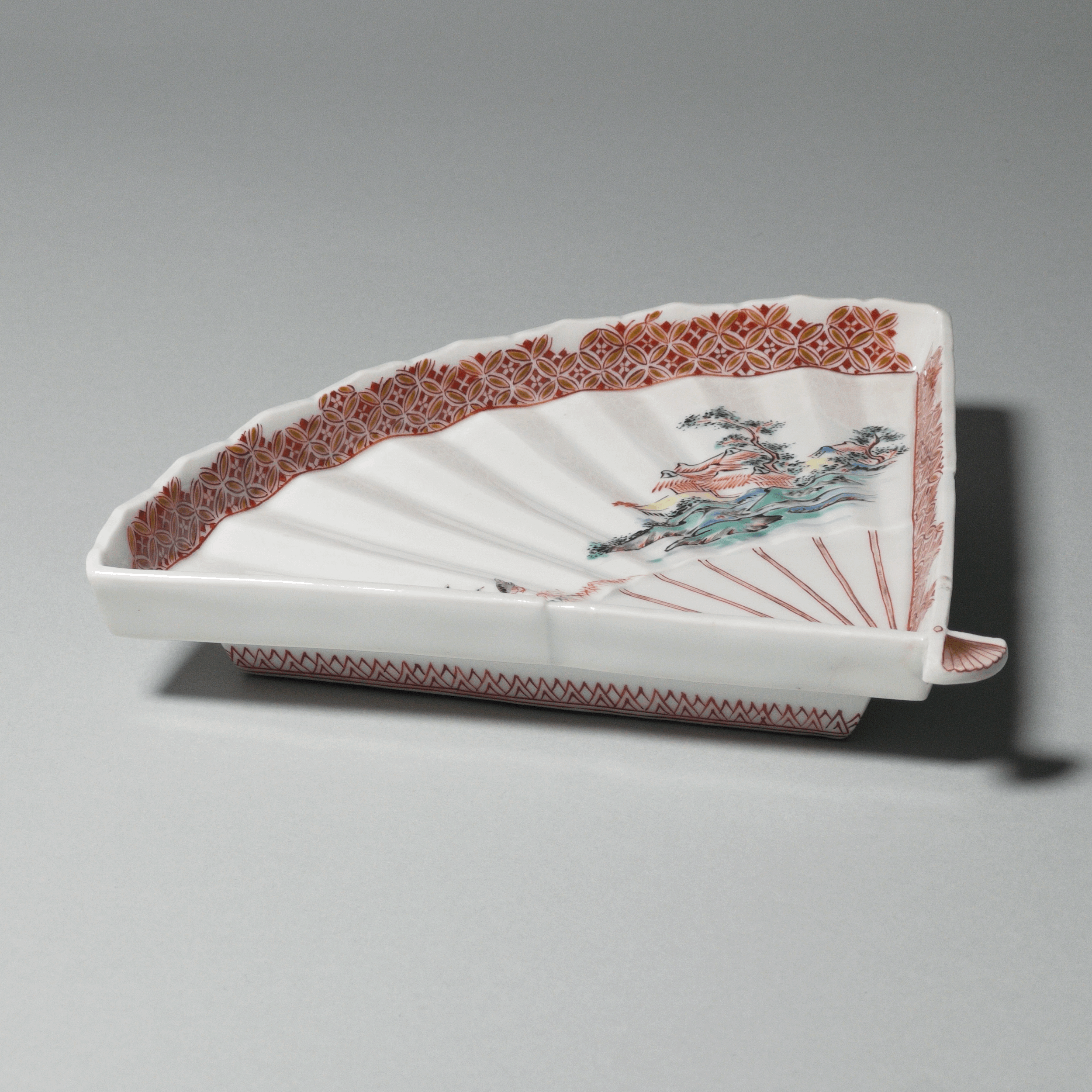 Image 2 of 10
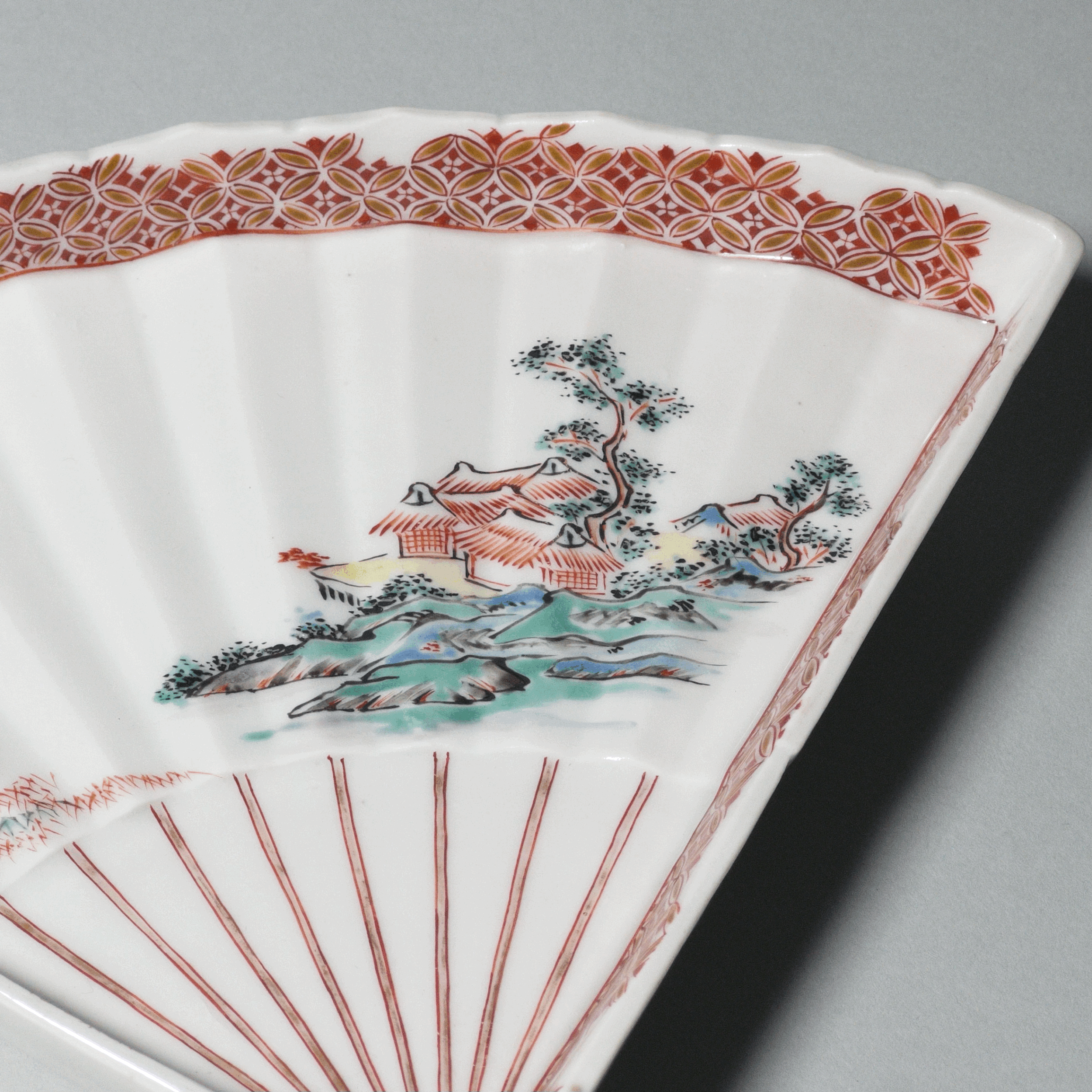 Image 3 of 10
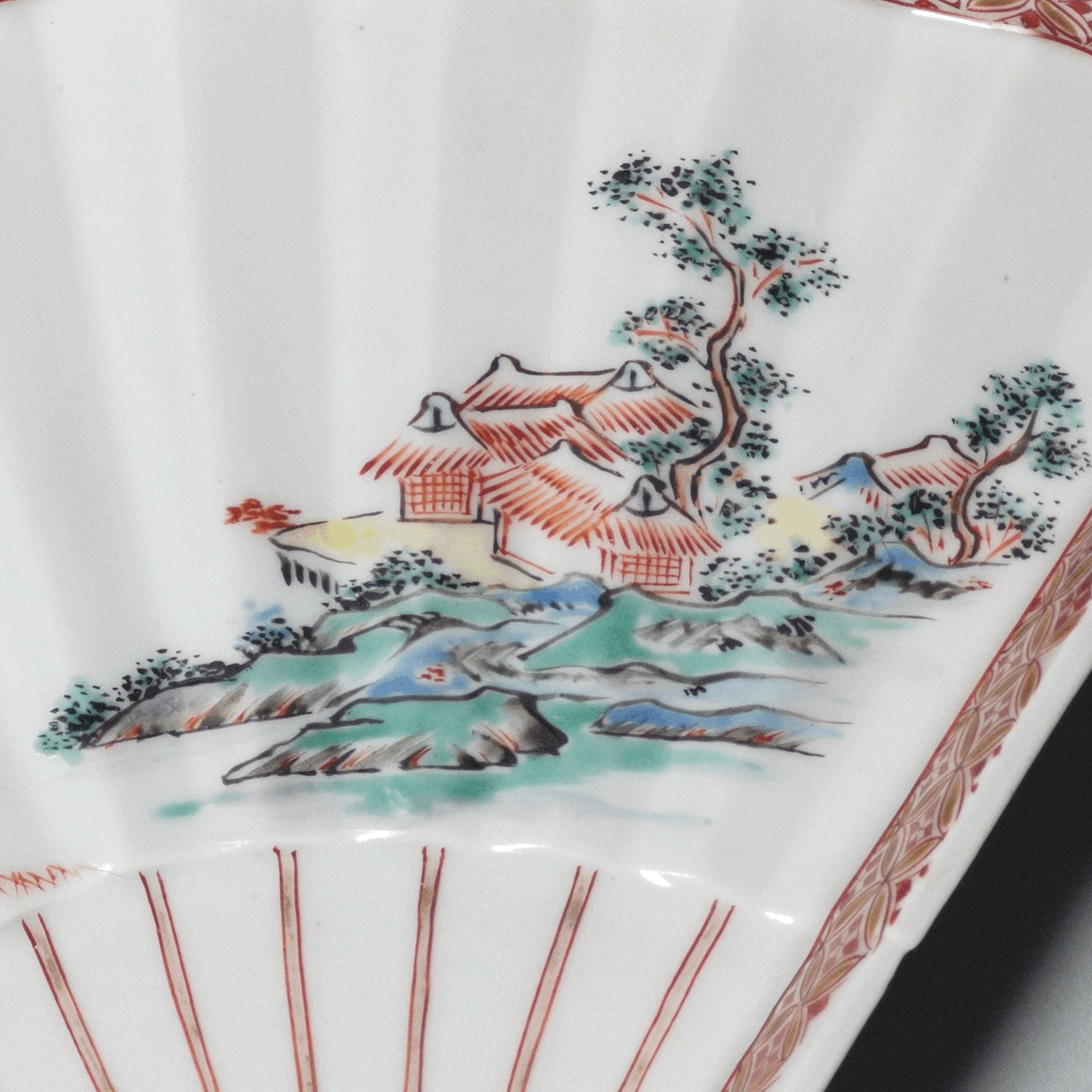 Image 4 of 10
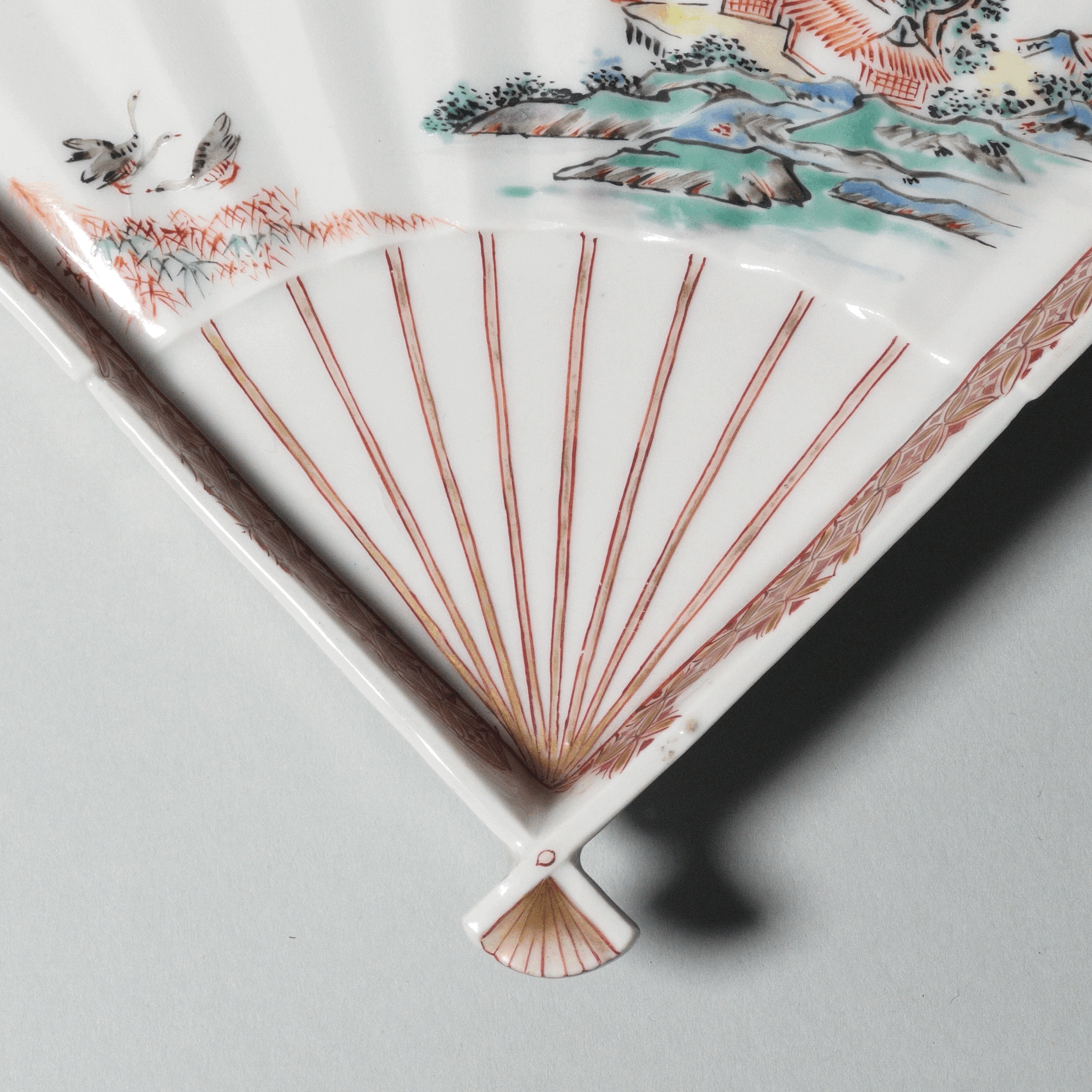 Image 5 of 10
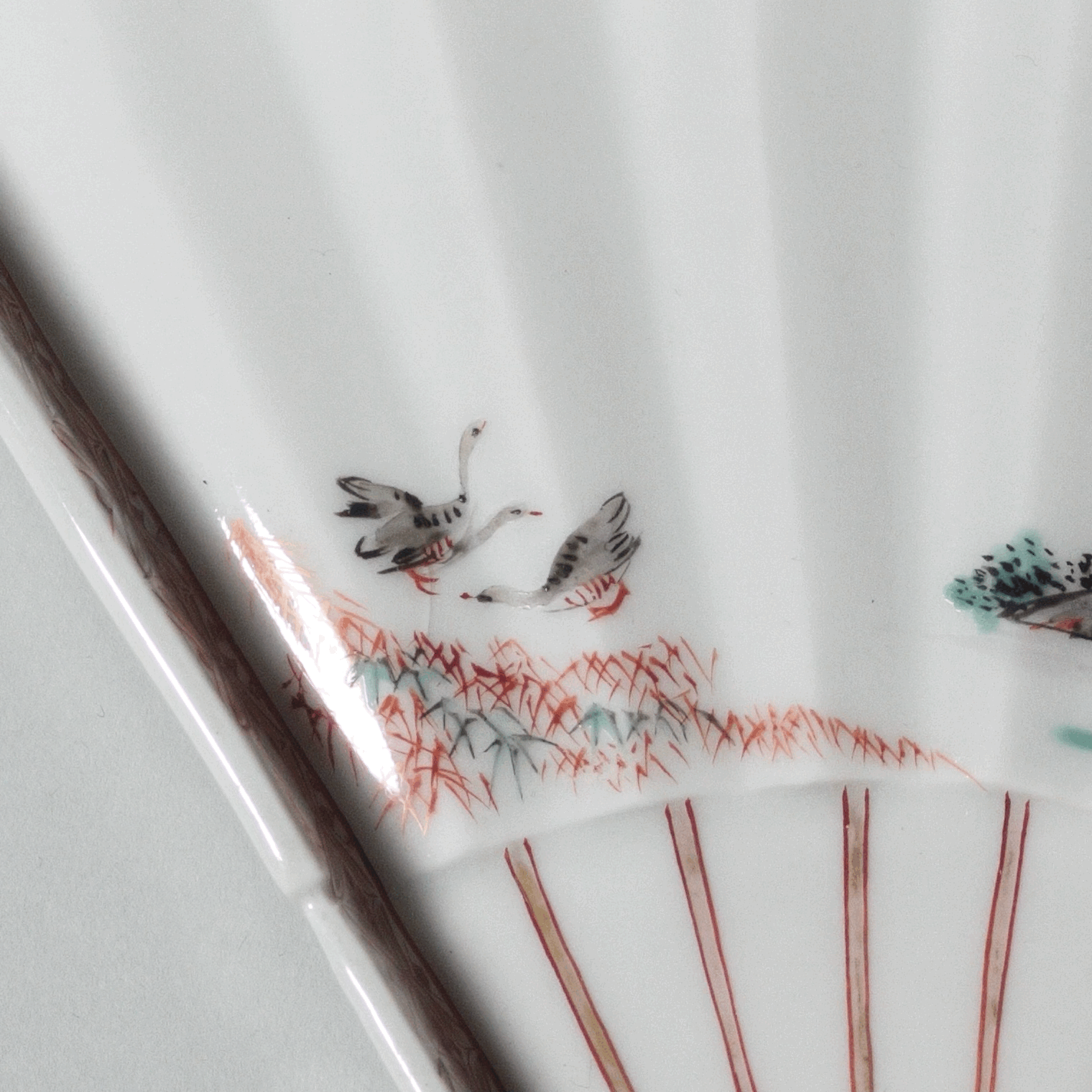 Image 6 of 10
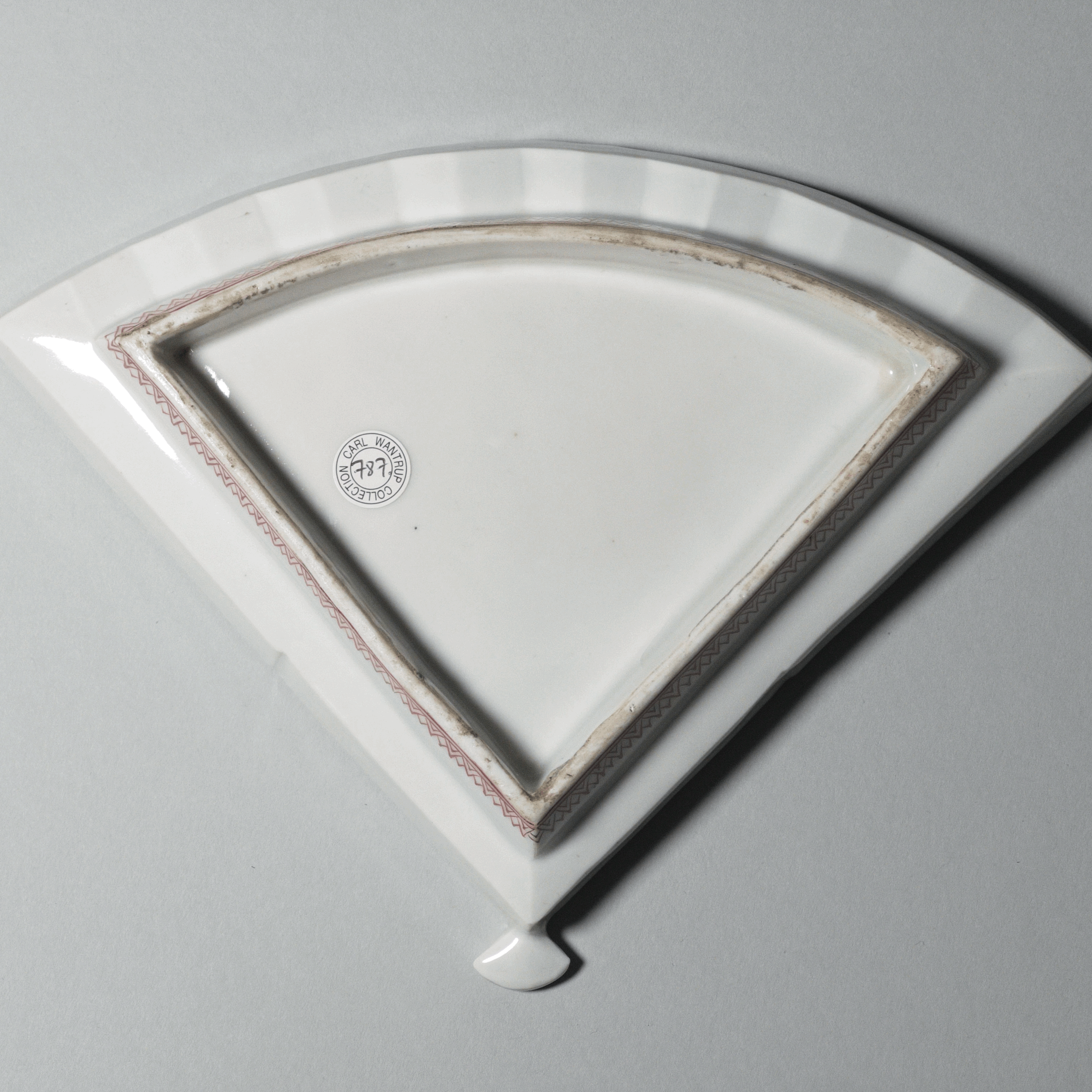 Image 7 of 10
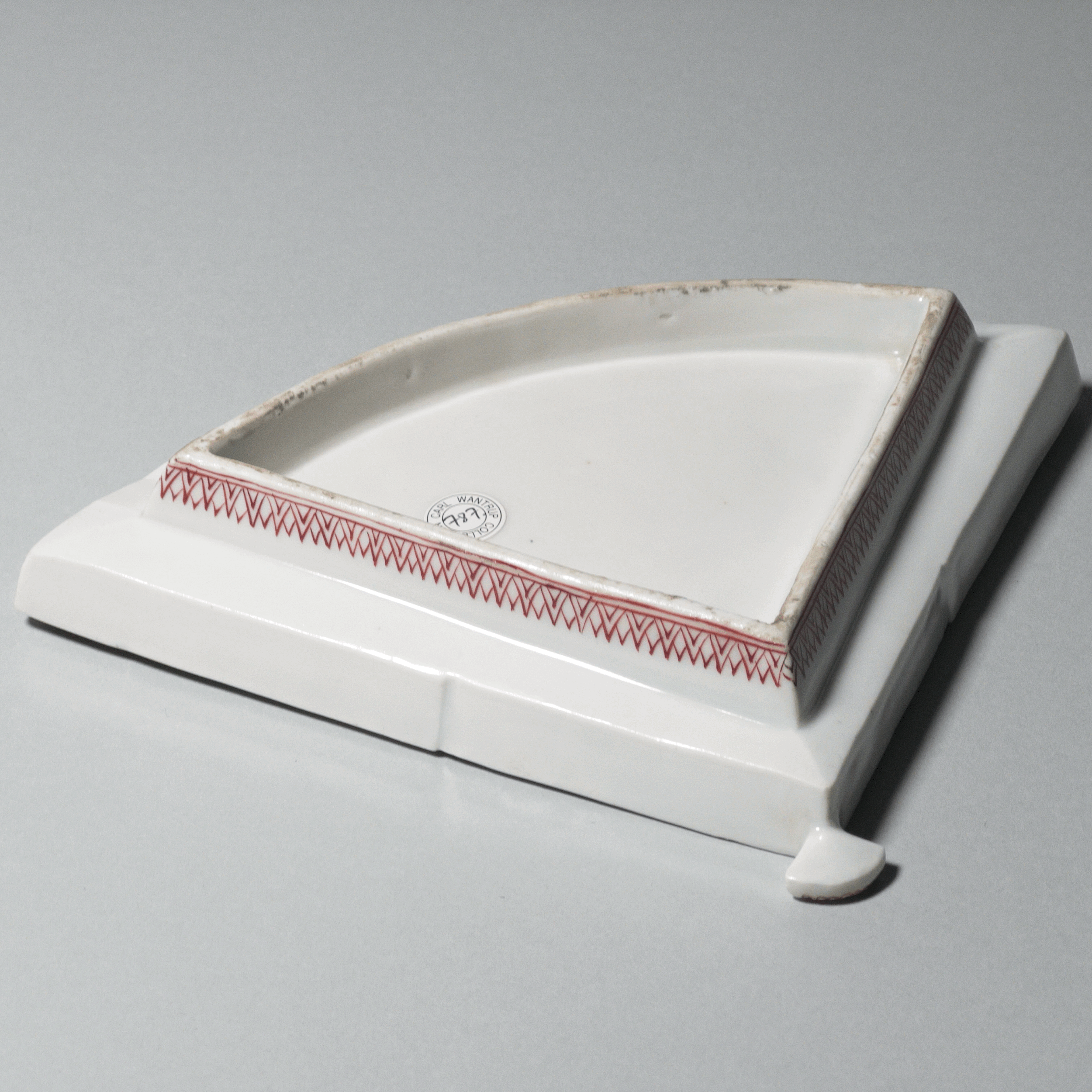 Image 8 of 10
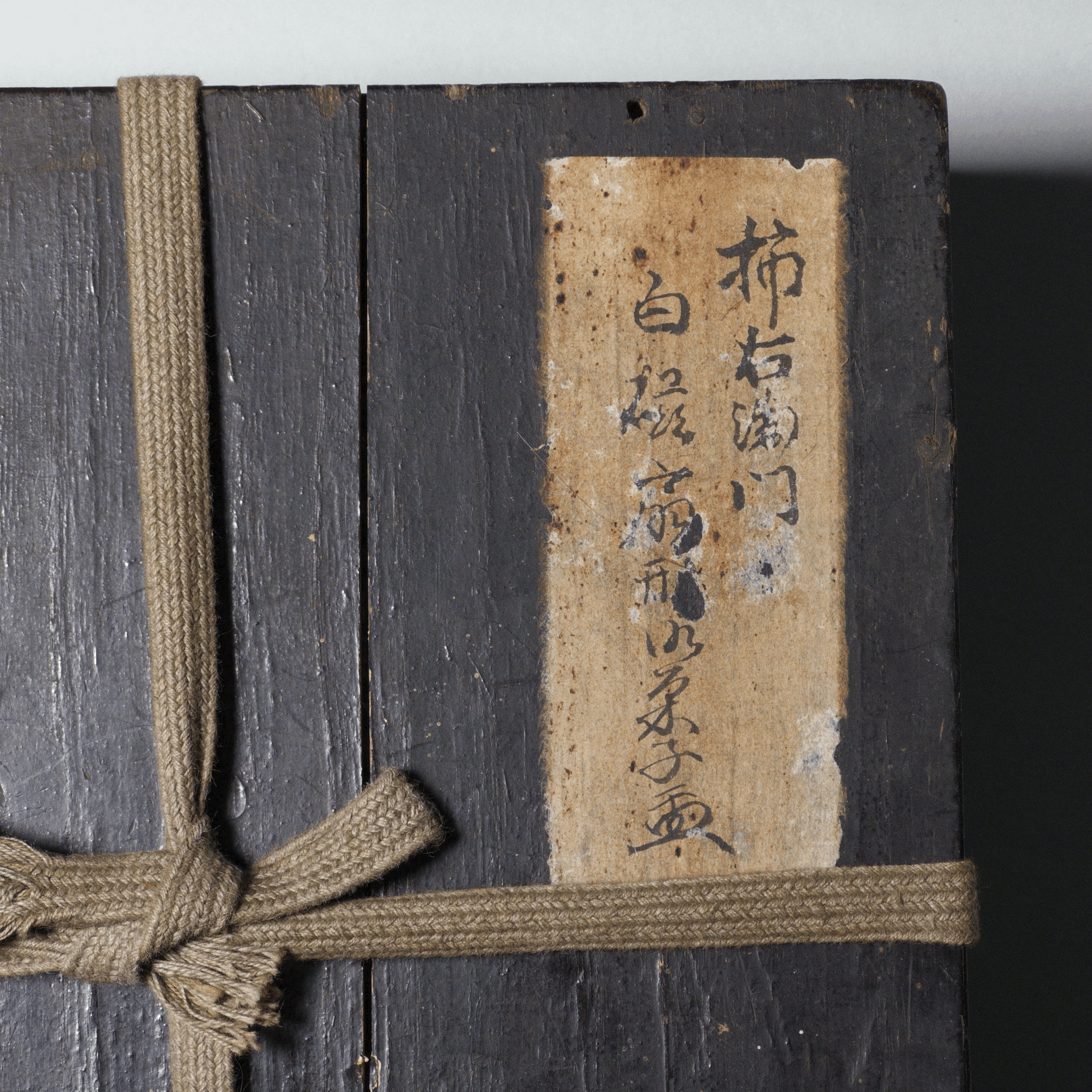 Image 9 of 10
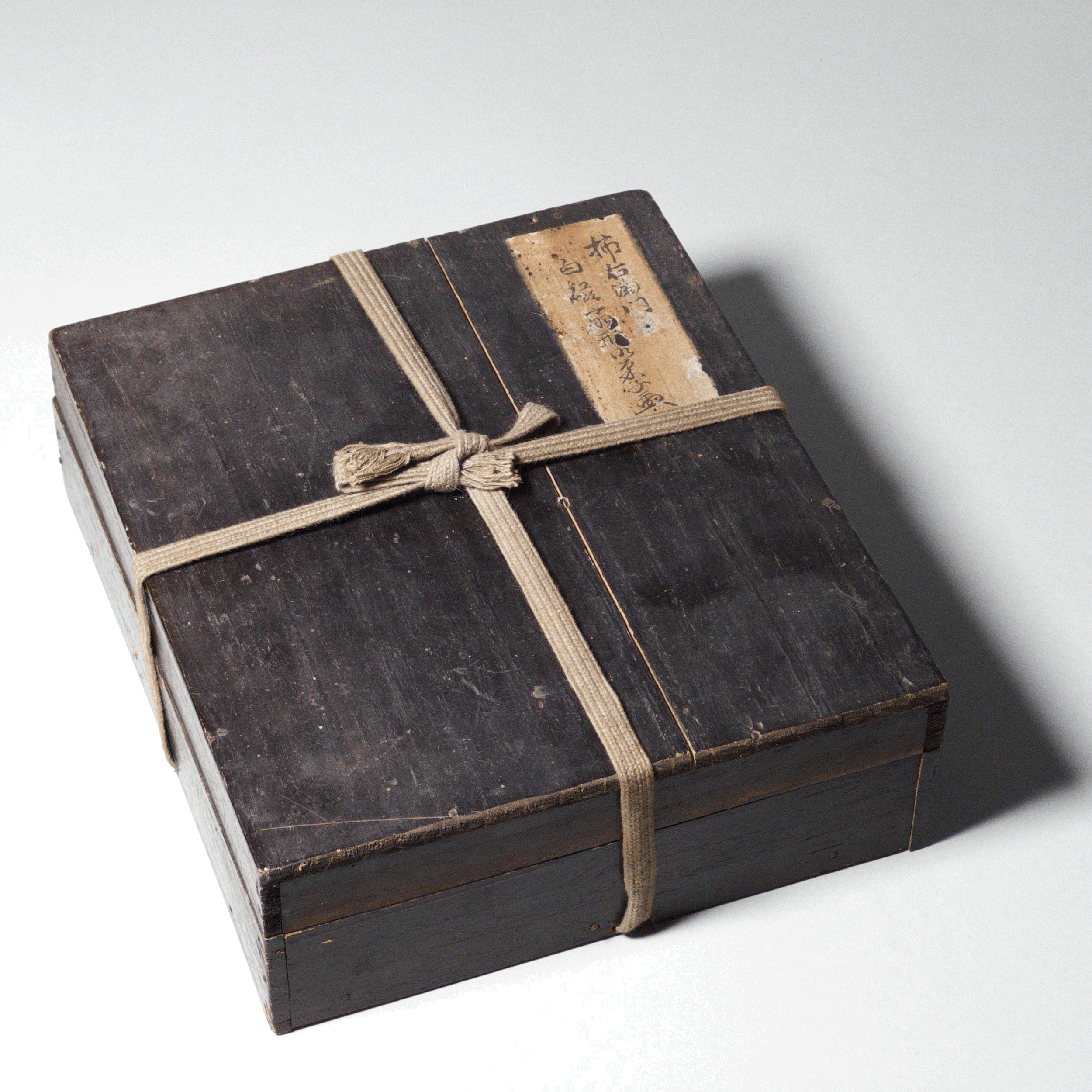 Image 10 of 10