Jingdezhen, China
Qing Dynasty (1644-1912), c. 18th century
Potted in the form of an archaic gu, covered in a white glaze with stained crackle, the inwardly-turning mouth rim dressed with a brown enamel. 23cm high, 12cm diameter. Together with an old inscribed Japanese wooden box. Provenance: Shimizu Kichijirō (Meiji/Taisho period)
Cat. 683
The Jūgyū-an Collection
The history of Jūgyū-an is long, with its construction dating back to 1908 (Meiji 41). It was originally built as a villa for Shimizu Kichijirō, a wealthy merchant from Osaka. The estate, including both the residence and the garden, spans approximately 2,000 tsubo (about 6,600 square meters). The construction was undertaken by two renowned sukiya-style master builders, Uesaka Asajirō and Kitamura Sutejirō. Using the finest timber without reservation and incorporating masterful craftsmanship down to the finest details, the residence exemplifies the ultimate in refined taste and luxury.
Jingdezhen, China
Qing Dynasty (1644-1912), c. 18th century
Potted in the form of an archaic gu, covered in a white glaze with stained crackle, the inwardly-turning mouth rim dressed with a brown enamel. 23cm high, 12cm diameter. Together with an old inscribed Japanese wooden box. Provenance: Shimizu Kichijirō (Meiji/Taisho period)
Cat. 683
The Jūgyū-an Collection
The history of Jūgyū-an is long, with its construction dating back to 1908 (Meiji 41). It was originally built as a villa for Shimizu Kichijirō, a wealthy merchant from Osaka. The estate, including both the residence and the garden, spans approximately 2,000 tsubo (about 6,600 square meters). The construction was undertaken by two renowned sukiya-style master builders, Uesaka Asajirō and Kitamura Sutejirō. Using the finest timber without reservation and incorporating masterful craftsmanship down to the finest details, the residence exemplifies the ultimate in refined taste and luxury.

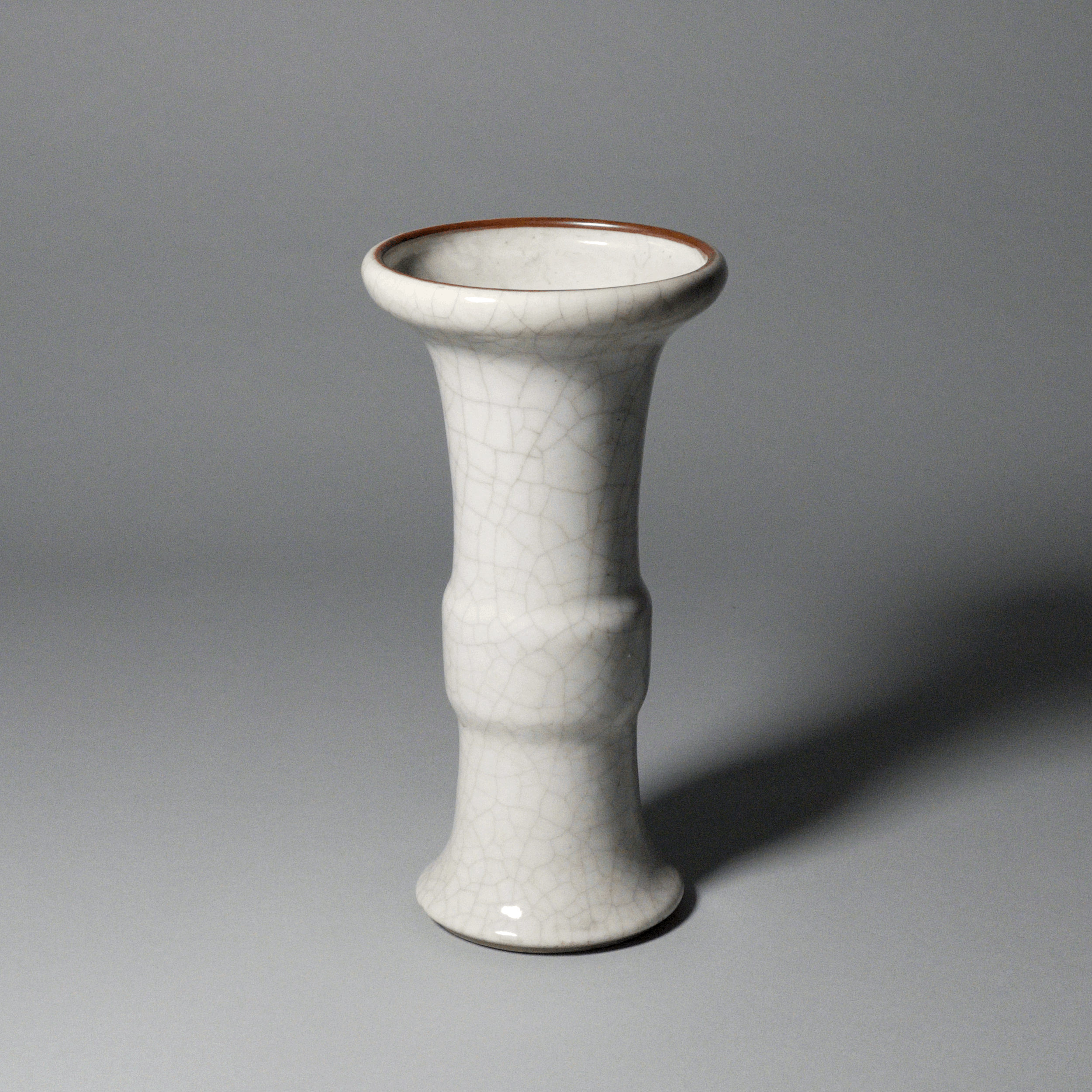 Image 1 of 10
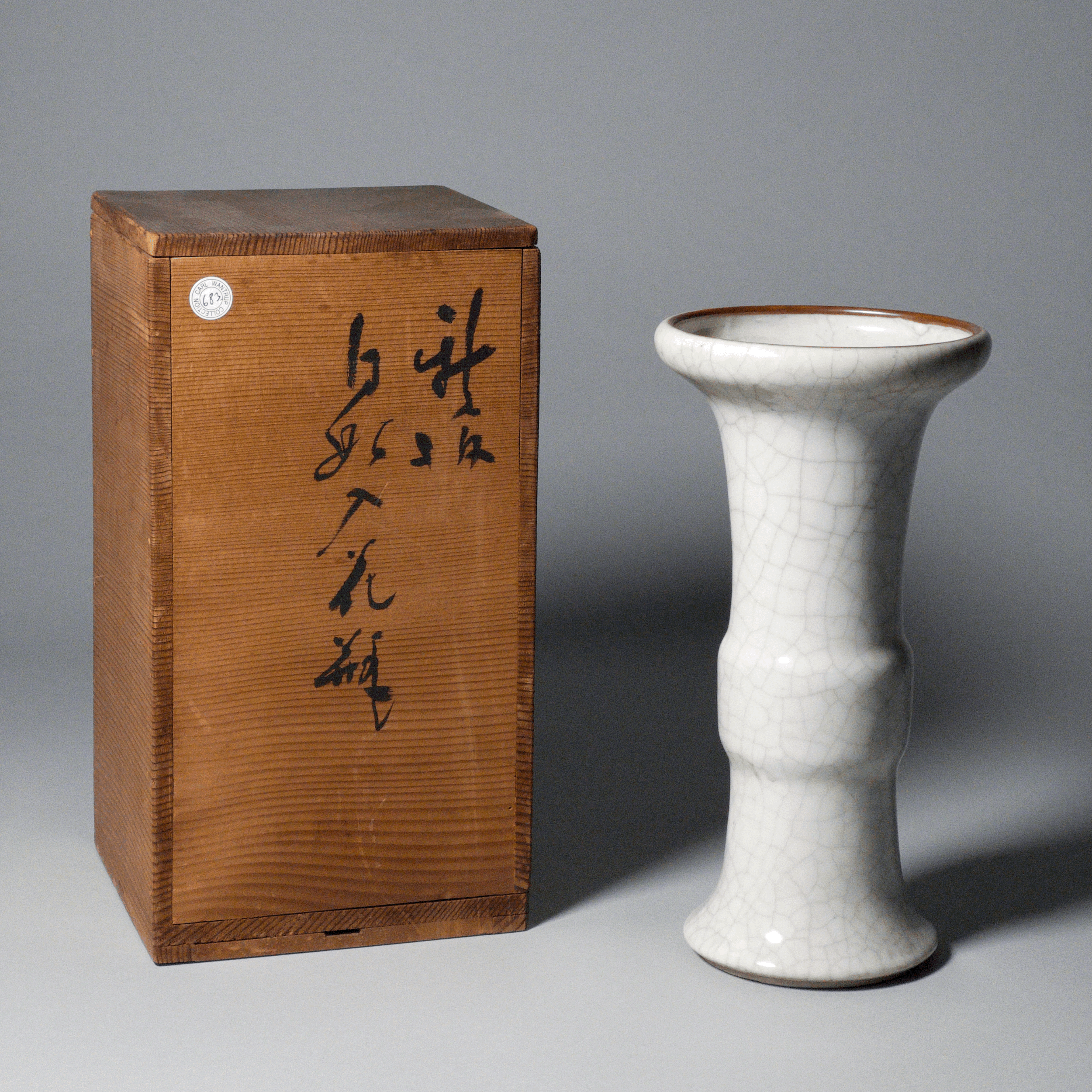 Image 2 of 10
 Image 3 of 10
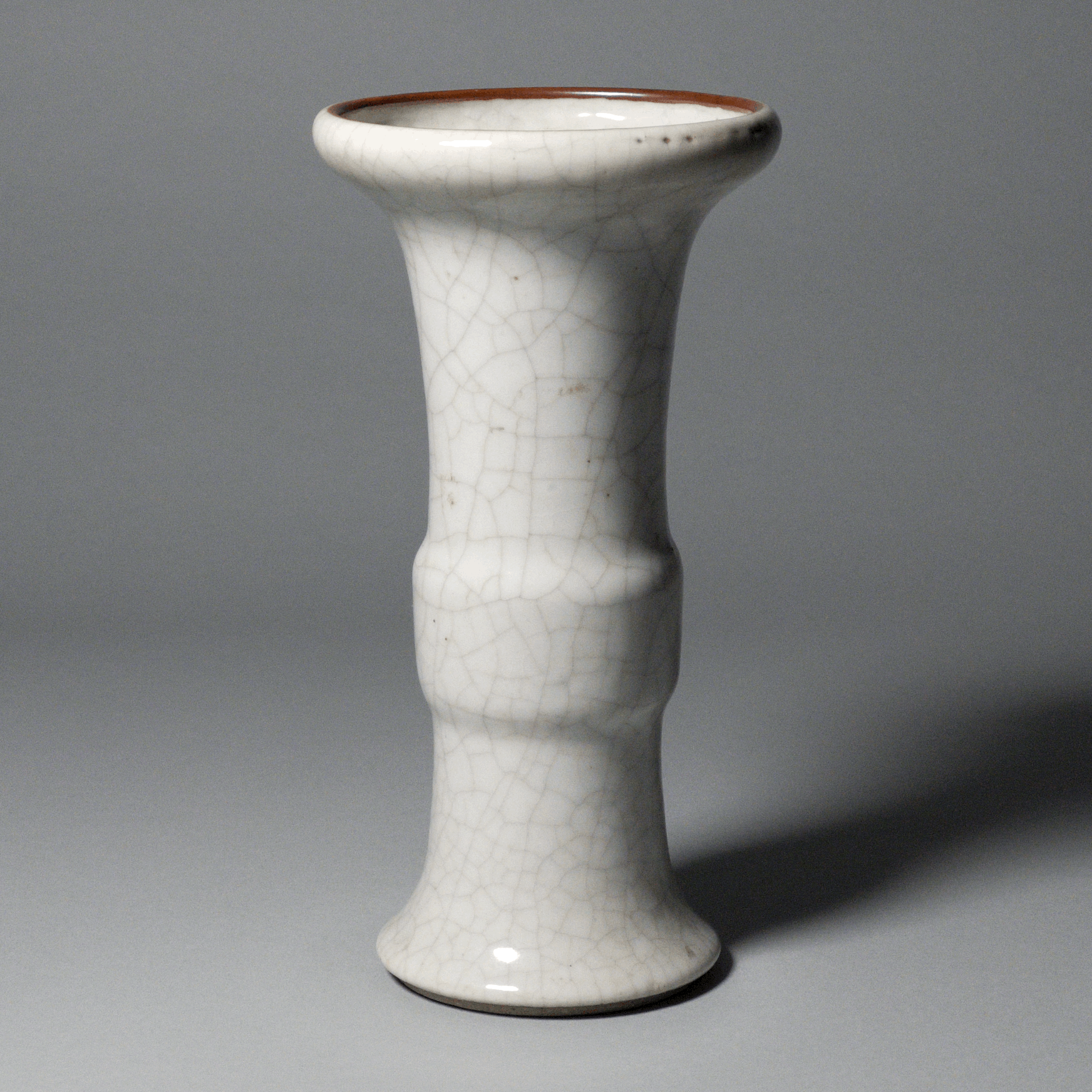 Image 4 of 10
 Image 5 of 10
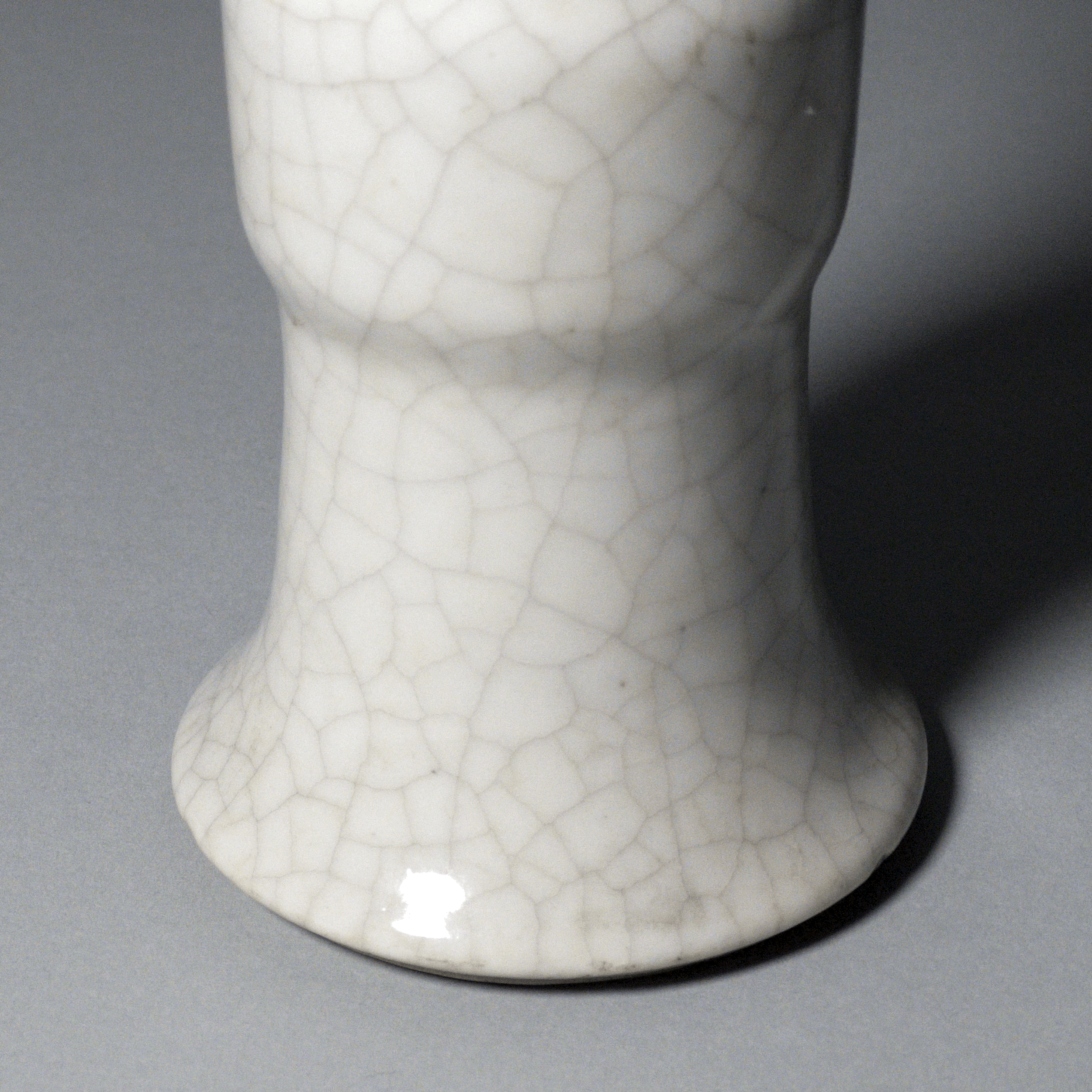 Image 6 of 10
 Image 7 of 10
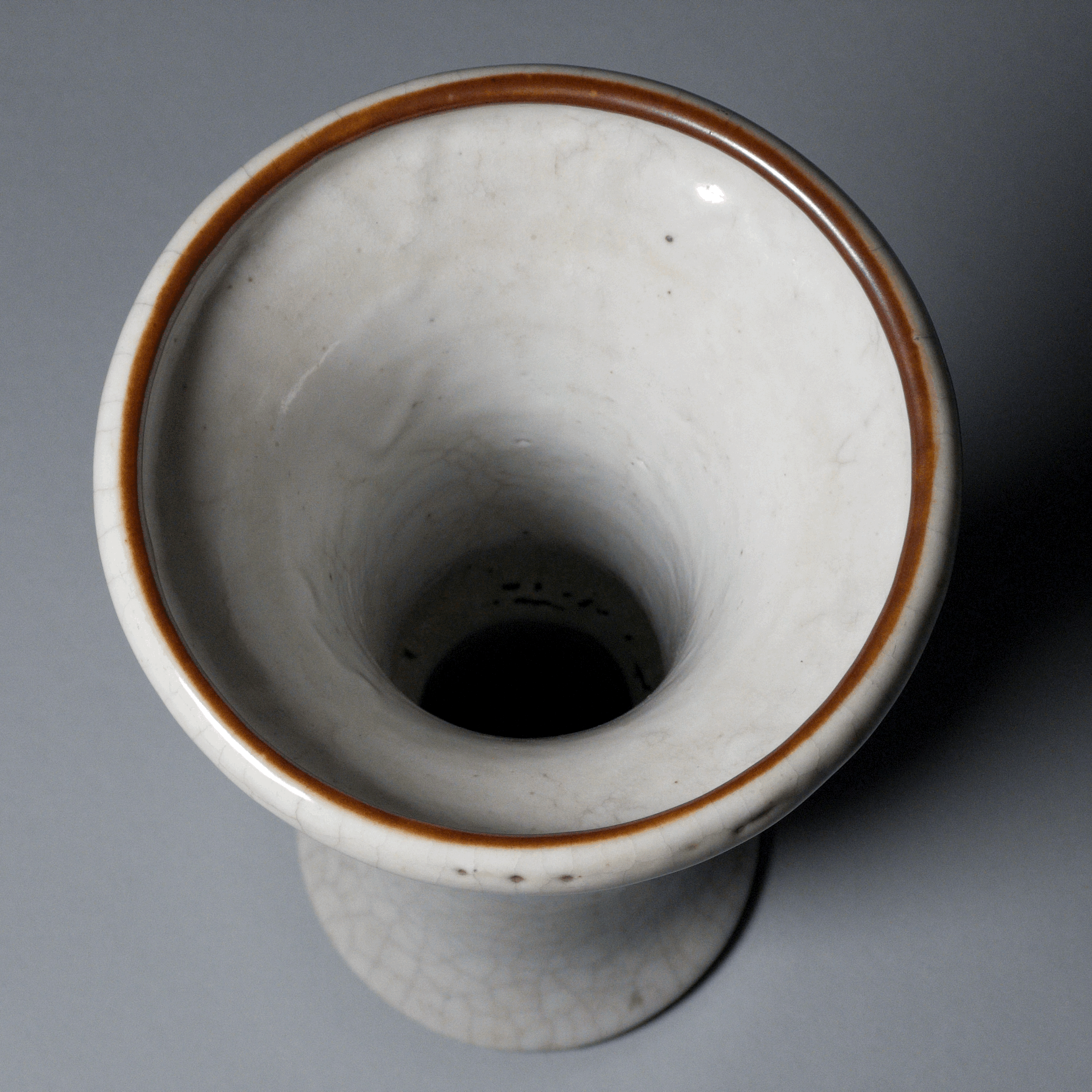 Image 8 of 10
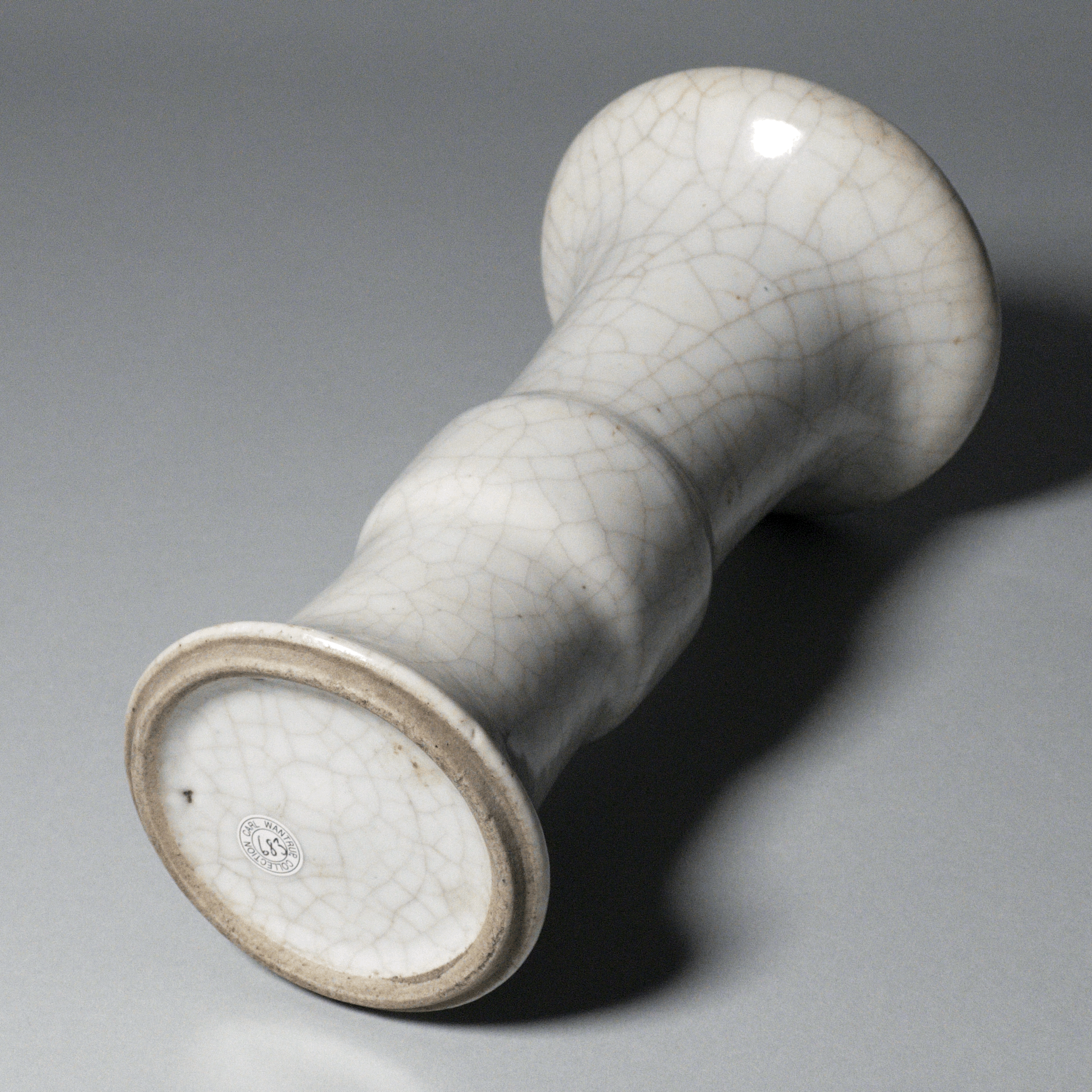 Image 9 of 10
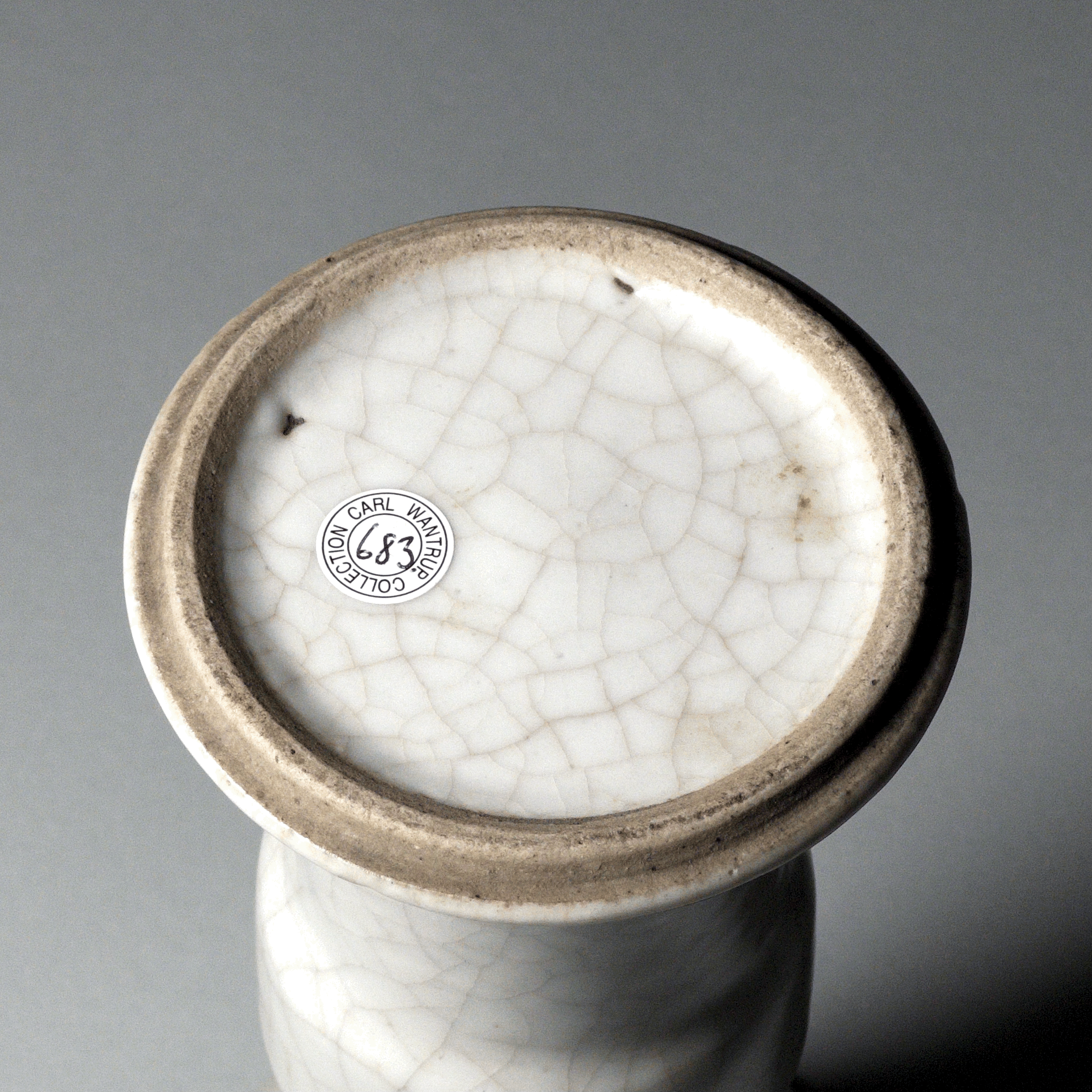 Image 10 of 10