Kyoto, Japan
Showa Period (1926-1989), c. 1935/1936
Modelled in the form of a gold-dust pouch (sakinbukuro - symbolising wealth) gently tapering towards the mouth after flaring from the foot, with scooped vertical lines around the lower sides simulating the gathering of the leather in a pouch, the lid decorated with a sculpted peach and foliage (symbolising longevity), covered in a thick double-crackled celadon Guan-type glaze of wonderful bluish-green colour with the larger crackle intentionally stained black. Two character impressed mark to the base. 21.5cm high, 17.5cm diameter. Together with its tomobako and printed exhibition pamphlet/invitation for the Shunyōkai exhibition held at Takashimaya department store in Nihombashi 8th to 13th February 1936, on which this very same mizusashi is photographed prominently, indicating it was featured as a major work in the exhibition.
Cat. 368
Shunyōkai (春楊会)
Shunyōkai, translating as ‘Spring Willow Society’ was a Kyoto-based association of leading artists (especially ceramicists and metalworkers) active primarily in the 1930s–1940s, with exhibitions documented at major venues such as Takashimaya Nihombashi in Shōwa 11 (1936). Its membership drew from the top ranks of Kyoto’s traditional art world, including figures such as Miyashita Zenju, Itō Suiko, Kusube Yaichi, Kiyomizu Rokubei, and colleagues from ceramics, lacquer, metalwork, dyeing, and weaving. Although the group was only active under its name in the 1930s, Shunyōkai represented an important moment in the modernization of Kyoto craft, bringing together established studio lineages and younger innovators to present bijutsu kōgei (art crafts) in a cross-disciplinary format, helping define a pre-war Kyoto aesthetic that blended traditional technique with new artistic expression.
Miyashita Zenju
Zenju began making ceramics in Kyoto in 1918, apprenticed to Kawamura Seizan (1890-1967). He then went abroad to study ceramics in China and Korea during the late 1920s, returning home in 1929. He then studied under Kusube Yaichi (1897-1984), whose modernism and attention to pure forms and glazes were highly influential on Zenju’s career. Considered a master of form and glaze, he regularly exhibited at exhibitions including the Bunten and Nitten, and at the World Fair in 1939 and 1940. In 1975 he was awarded the Prime Minister’s Award at the Nitten. His work is held in the Kyoto National Museum amongst others. His son and student Miyashita Zenji (1939-2012) went on to become a famous post-war ceramicist with works held in the Metropolitan Museum and many others around the world.
Kyoto, Japan
Showa Period (1926-1989), c. 1935/1936
Modelled in the form of a gold-dust pouch (sakinbukuro - symbolising wealth) gently tapering towards the mouth after flaring from the foot, with scooped vertical lines around the lower sides simulating the gathering of the leather in a pouch, the lid decorated with a sculpted peach and foliage (symbolising longevity), covered in a thick double-crackled celadon Guan-type glaze of wonderful bluish-green colour with the larger crackle intentionally stained black. Two character impressed mark to the base. 21.5cm high, 17.5cm diameter. Together with its tomobako and printed exhibition pamphlet/invitation for the Shunyōkai exhibition held at Takashimaya department store in Nihombashi 8th to 13th February 1936, on which this very same mizusashi is photographed prominently, indicating it was featured as a major work in the exhibition.
Cat. 368
Shunyōkai (春楊会)
Shunyōkai, translating as ‘Spring Willow Society’ was a Kyoto-based association of leading artists (especially ceramicists and metalworkers) active primarily in the 1930s–1940s, with exhibitions documented at major venues such as Takashimaya Nihombashi in Shōwa 11 (1936). Its membership drew from the top ranks of Kyoto’s traditional art world, including figures such as Miyashita Zenju, Itō Suiko, Kusube Yaichi, Kiyomizu Rokubei, and colleagues from ceramics, lacquer, metalwork, dyeing, and weaving. Although the group was only active under its name in the 1930s, Shunyōkai represented an important moment in the modernization of Kyoto craft, bringing together established studio lineages and younger innovators to present bijutsu kōgei (art crafts) in a cross-disciplinary format, helping define a pre-war Kyoto aesthetic that blended traditional technique with new artistic expression.
Miyashita Zenju
Zenju began making ceramics in Kyoto in 1918, apprenticed to Kawamura Seizan (1890-1967). He then went abroad to study ceramics in China and Korea during the late 1920s, returning home in 1929. He then studied under Kusube Yaichi (1897-1984), whose modernism and attention to pure forms and glazes were highly influential on Zenju’s career. Considered a master of form and glaze, he regularly exhibited at exhibitions including the Bunten and Nitten, and at the World Fair in 1939 and 1940. In 1975 he was awarded the Prime Minister’s Award at the Nitten. His work is held in the Kyoto National Museum amongst others. His son and student Miyashita Zenji (1939-2012) went on to become a famous post-war ceramicist with works held in the Metropolitan Museum and many others around the world.

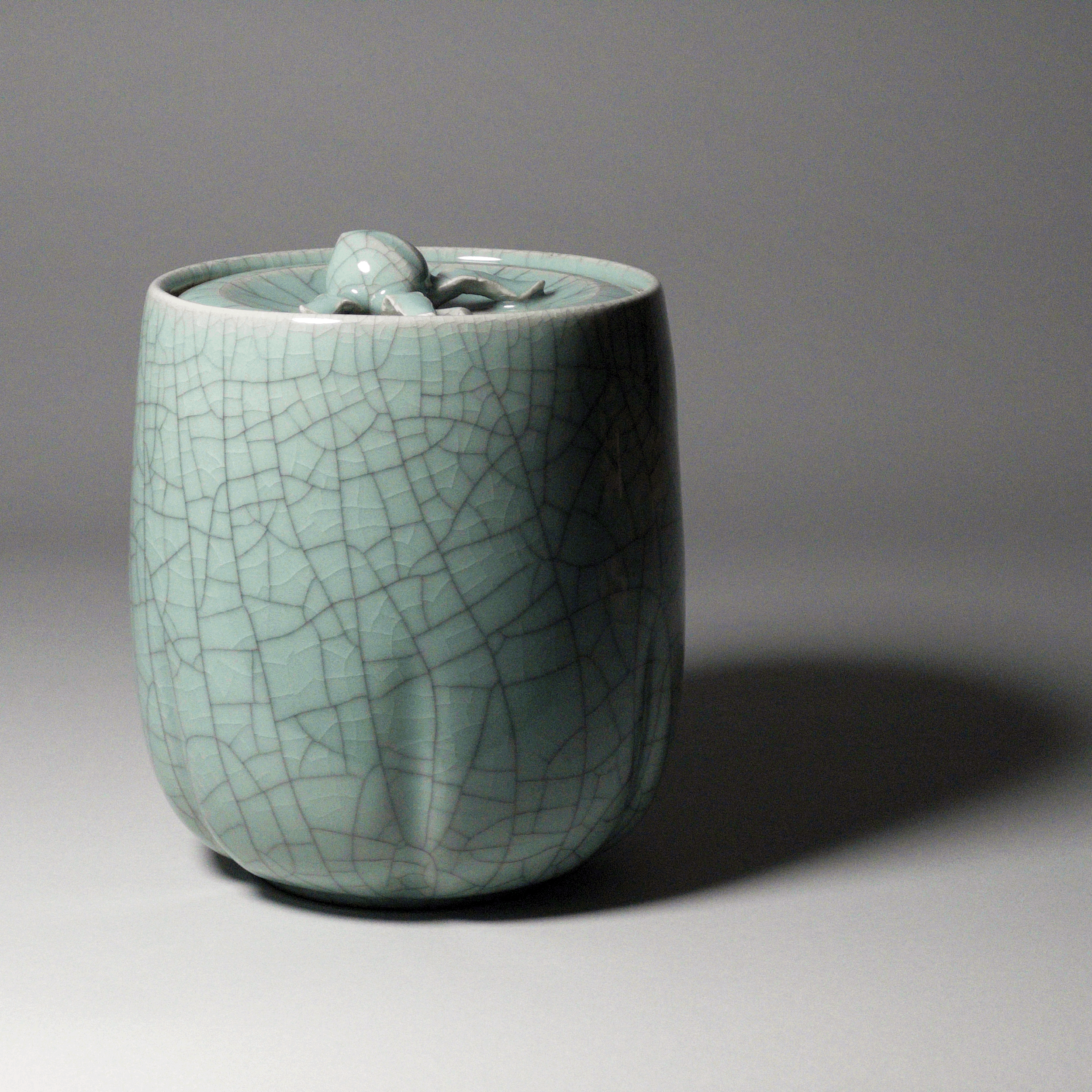 Image 1 of 10
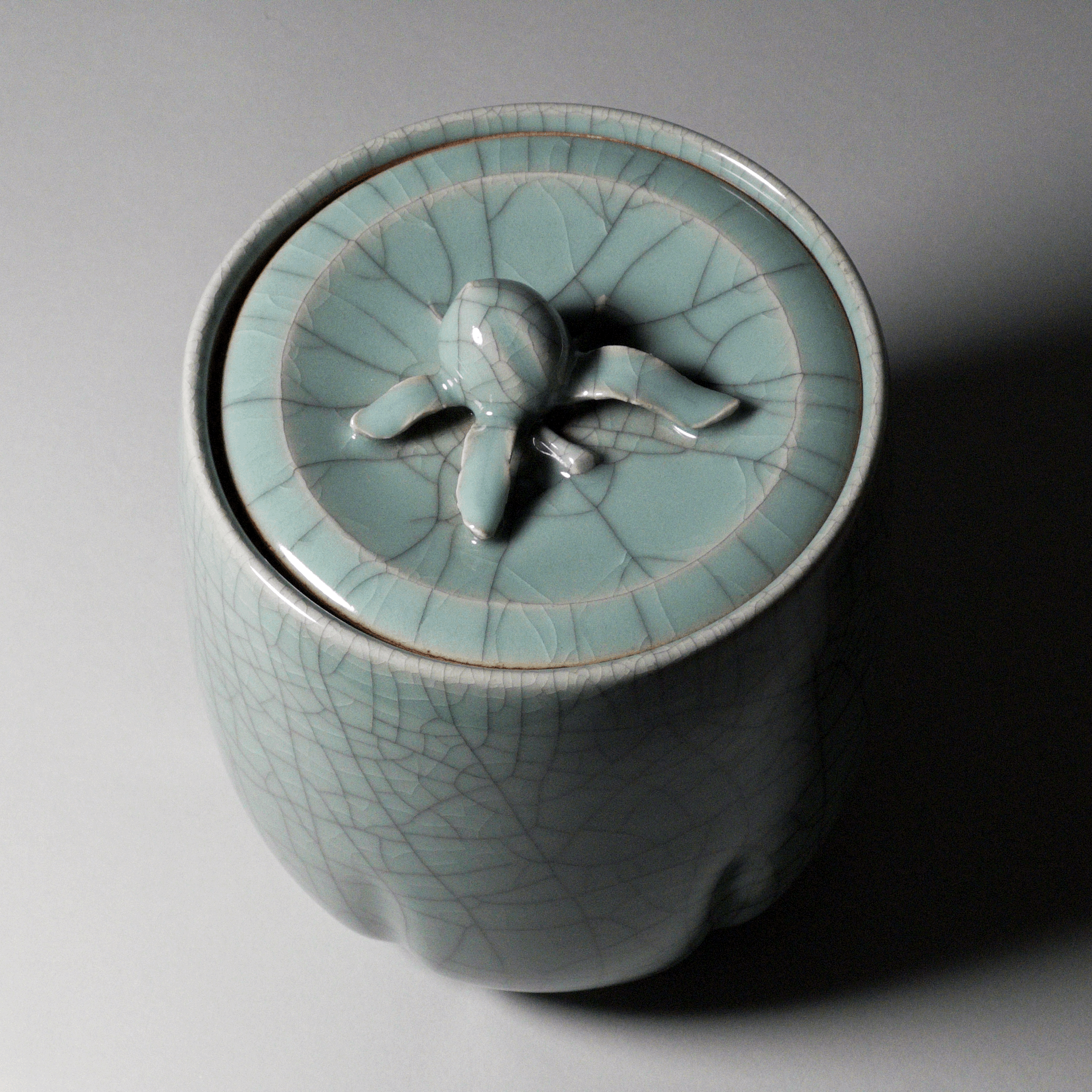 Image 2 of 10
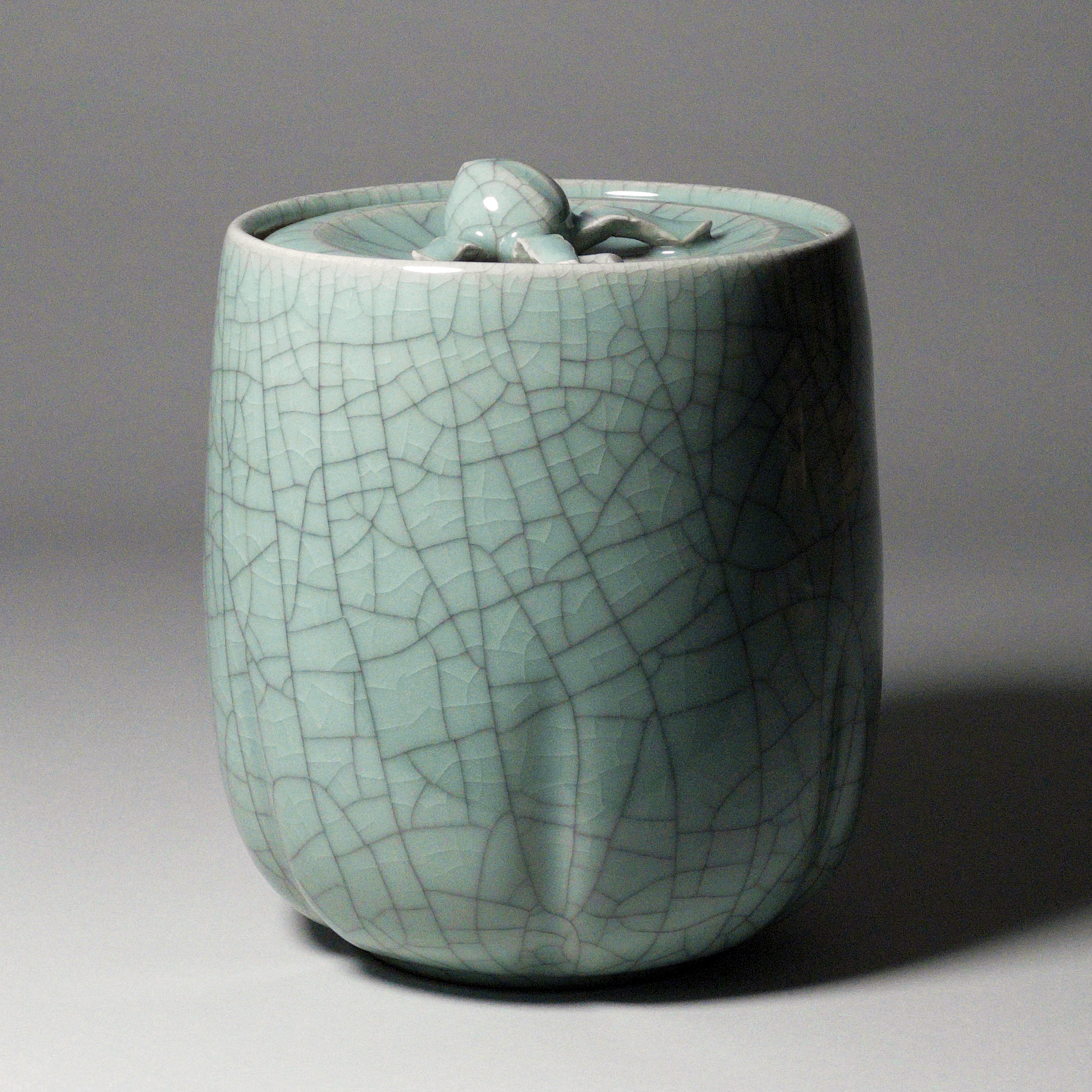 Image 3 of 10
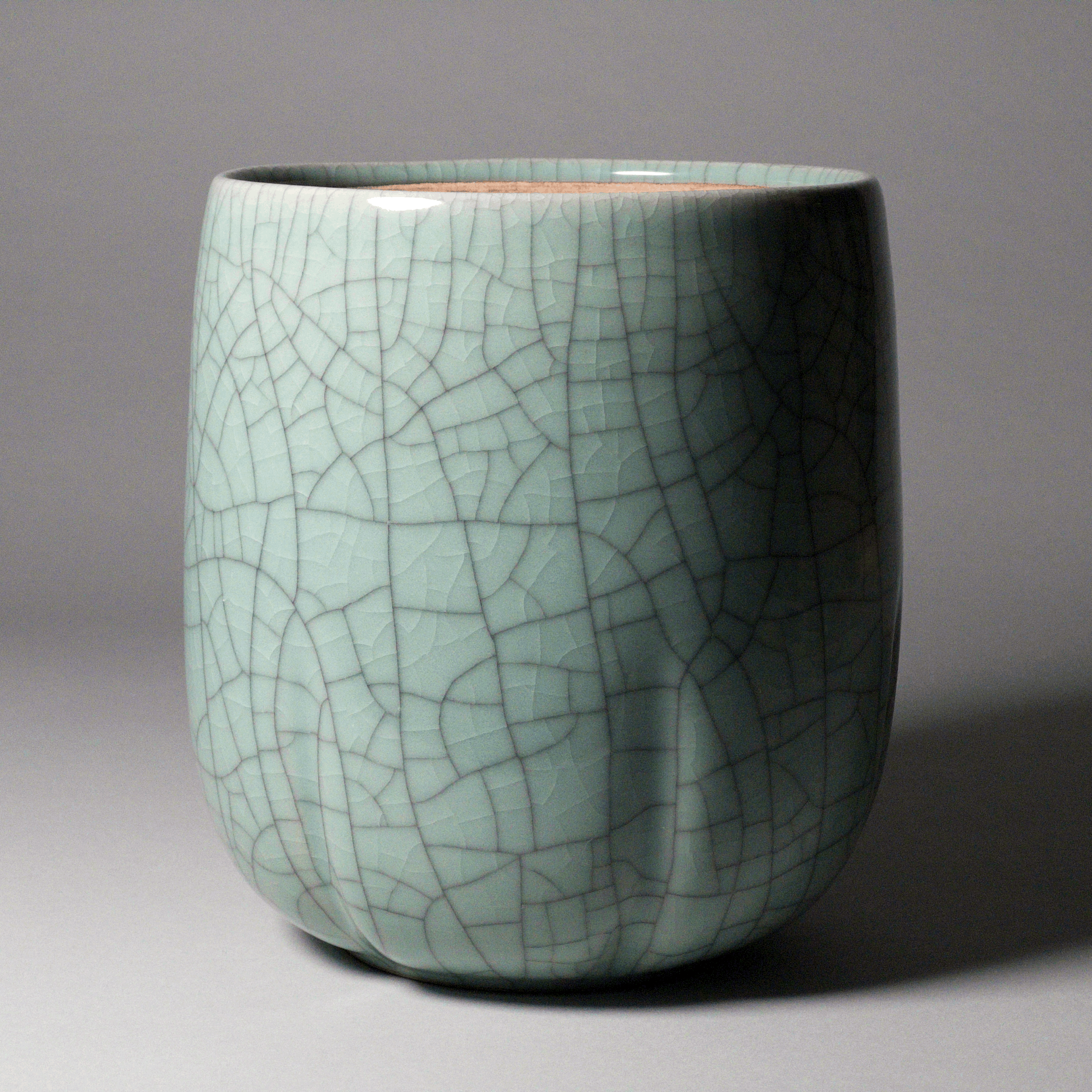 Image 4 of 10
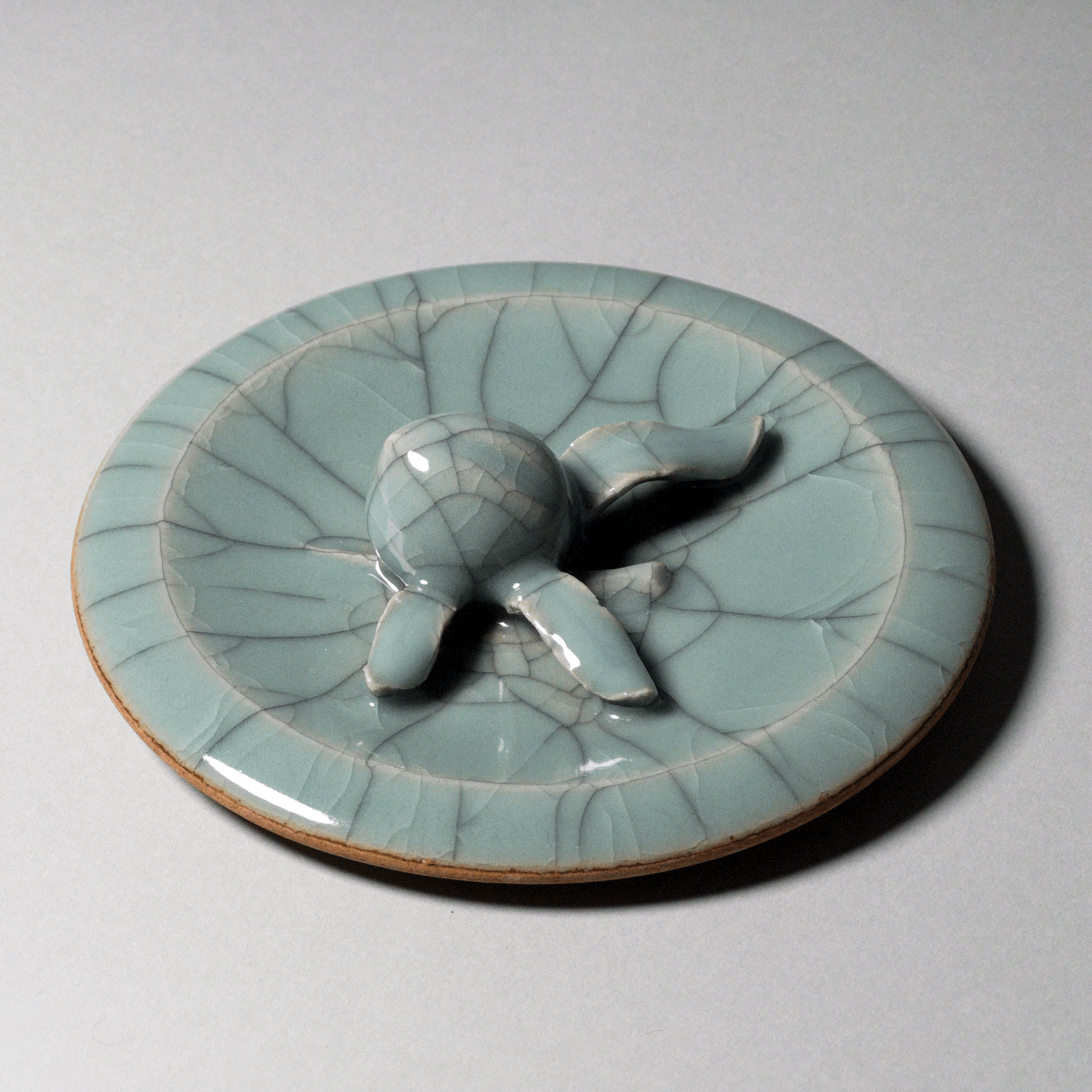 Image 5 of 10
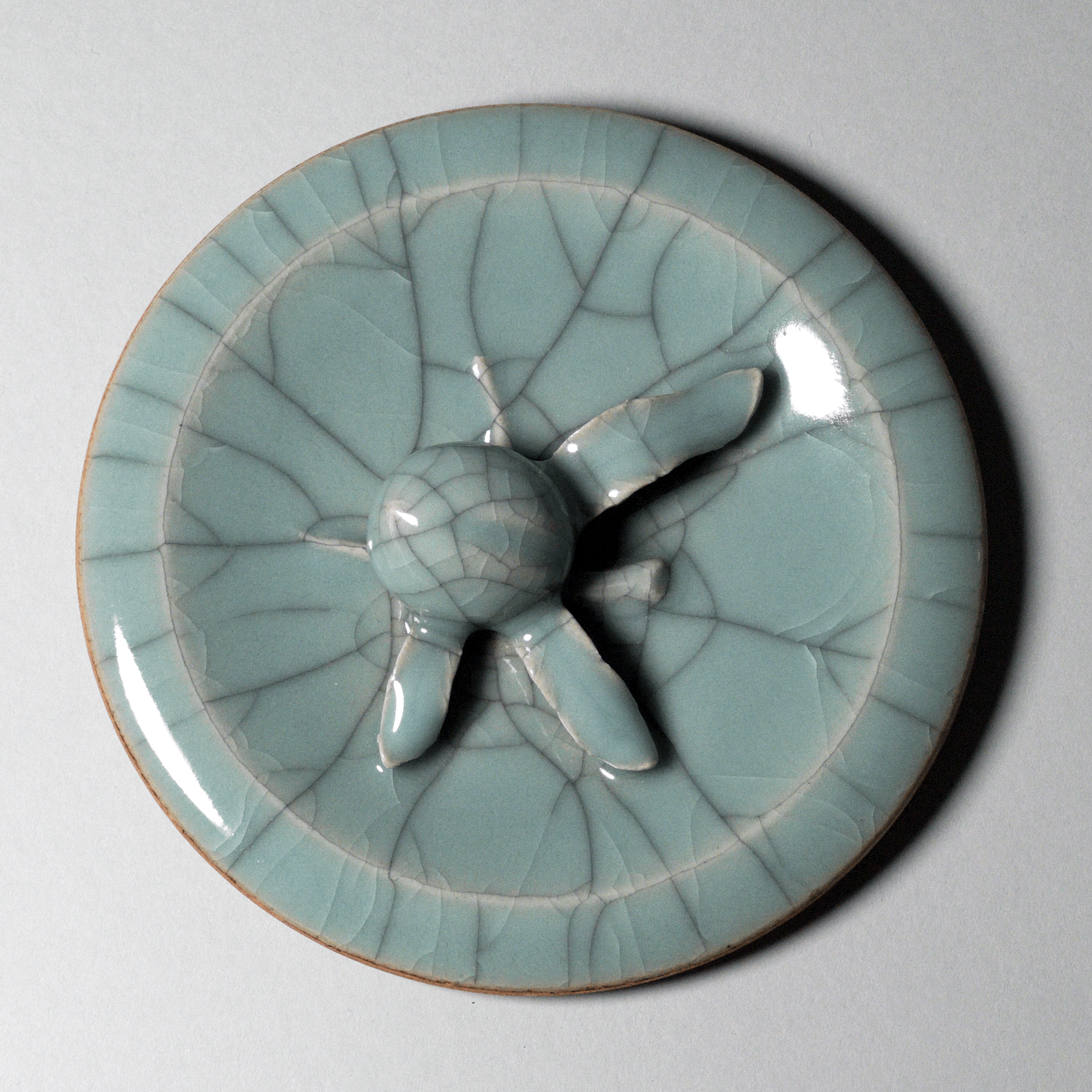 Image 6 of 10
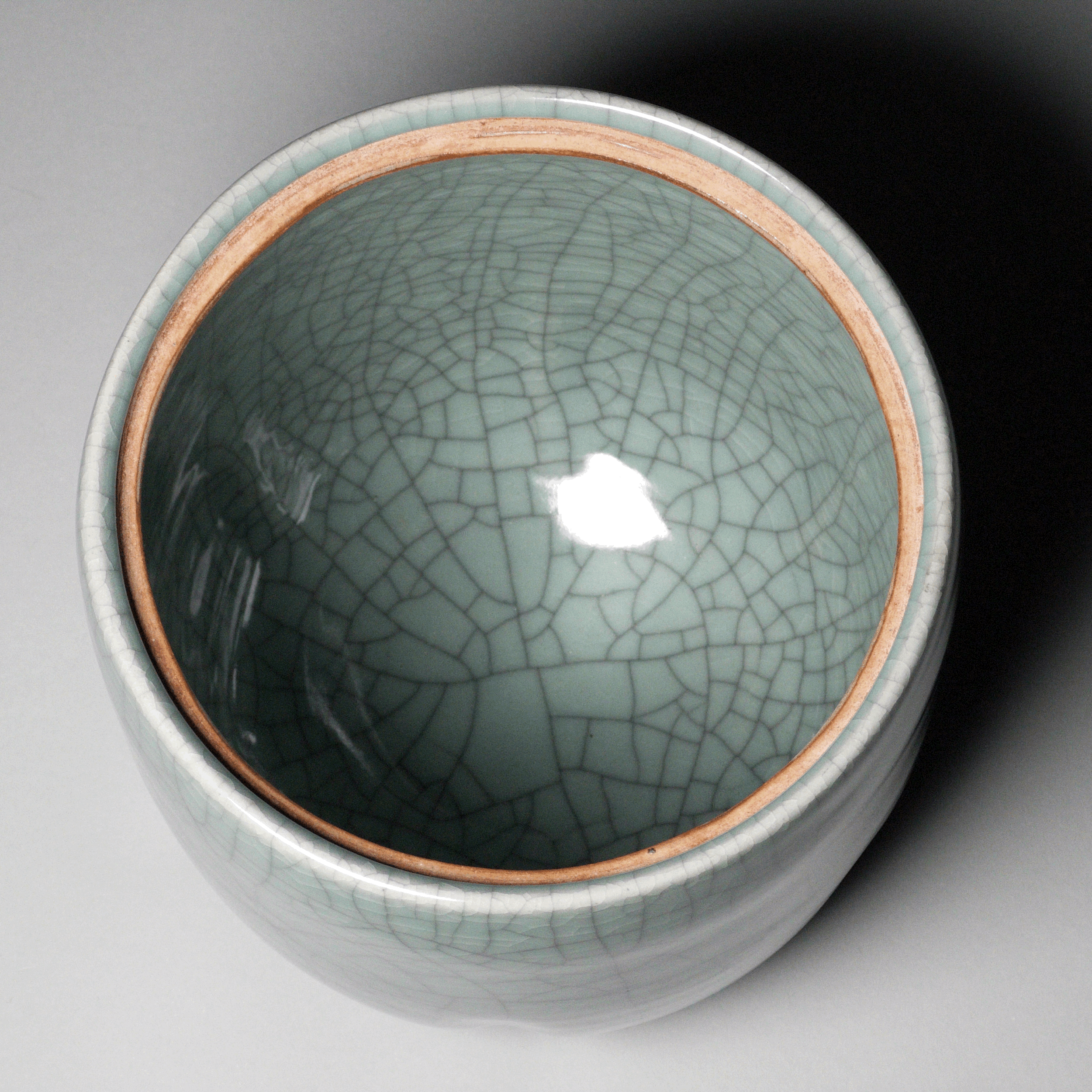 Image 7 of 10
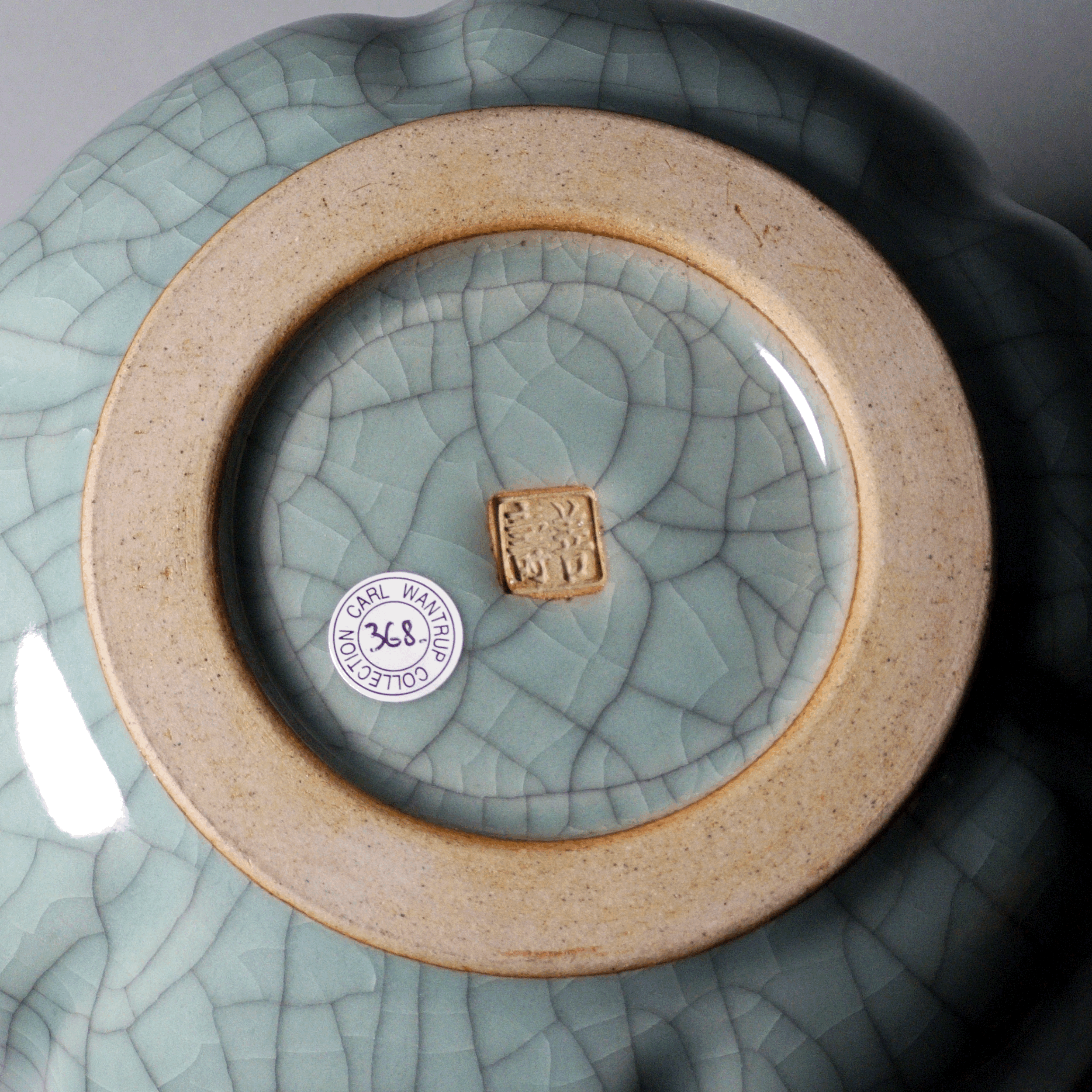 Image 8 of 10
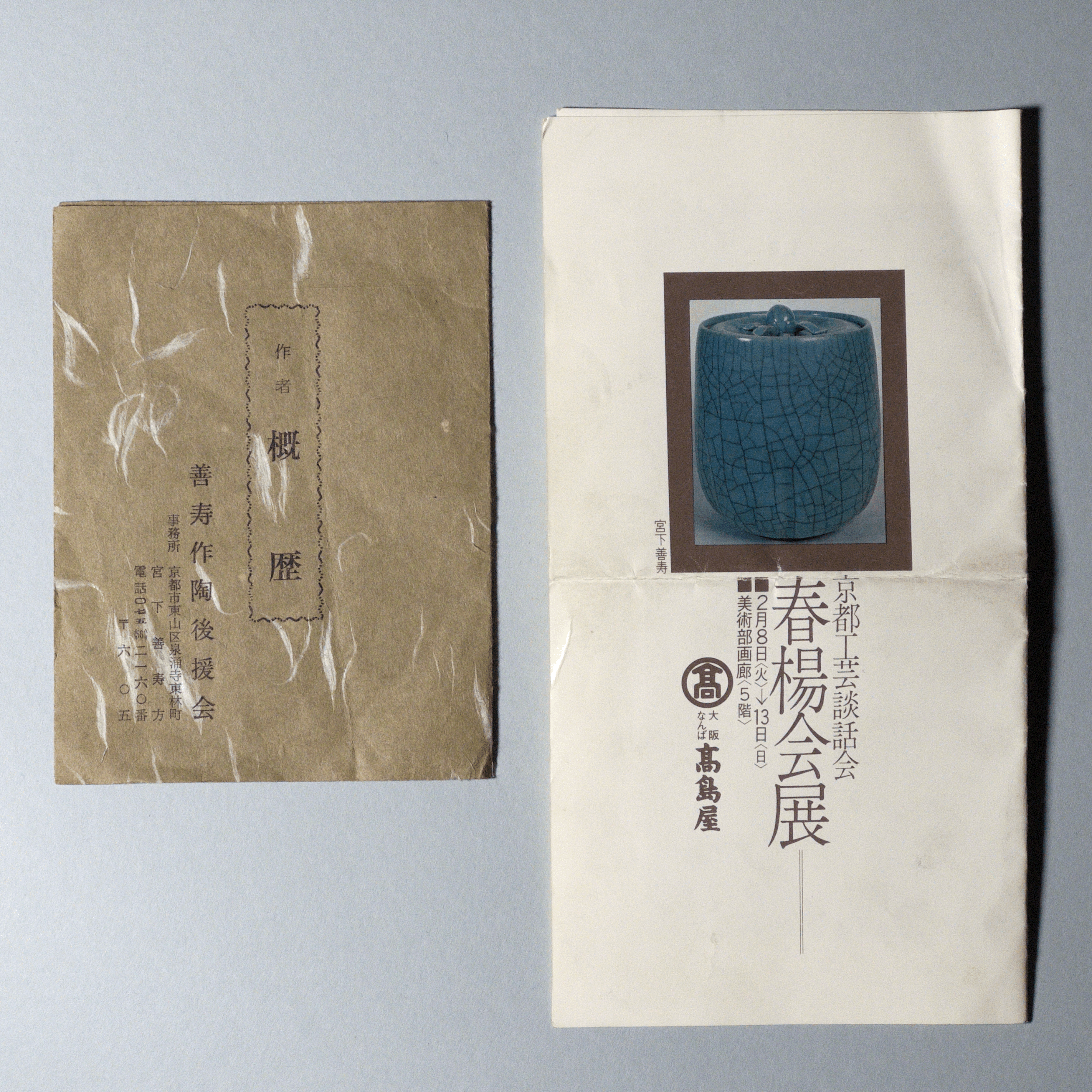 Image 9 of 10
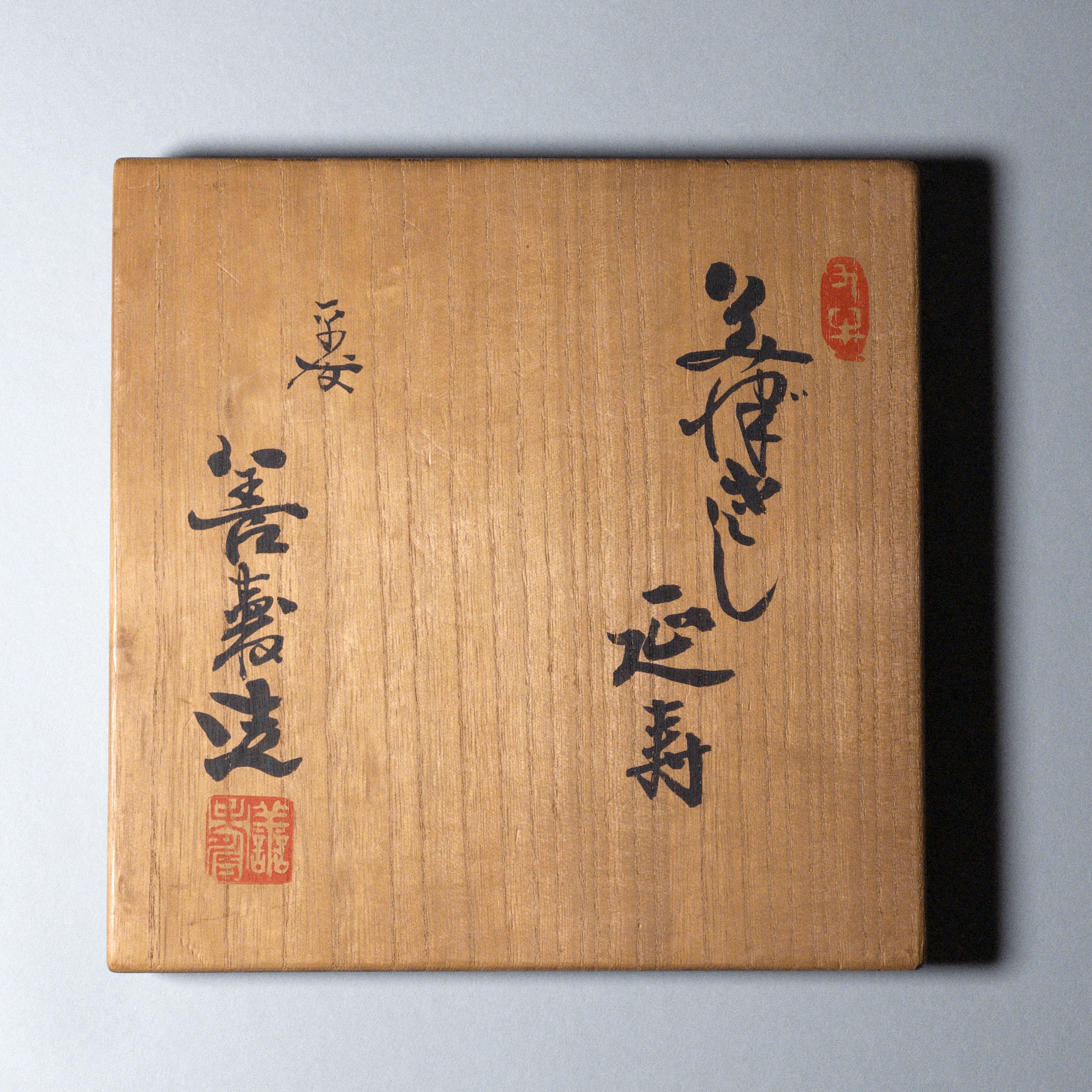 Image 10 of 10