
 Image 1 of 5
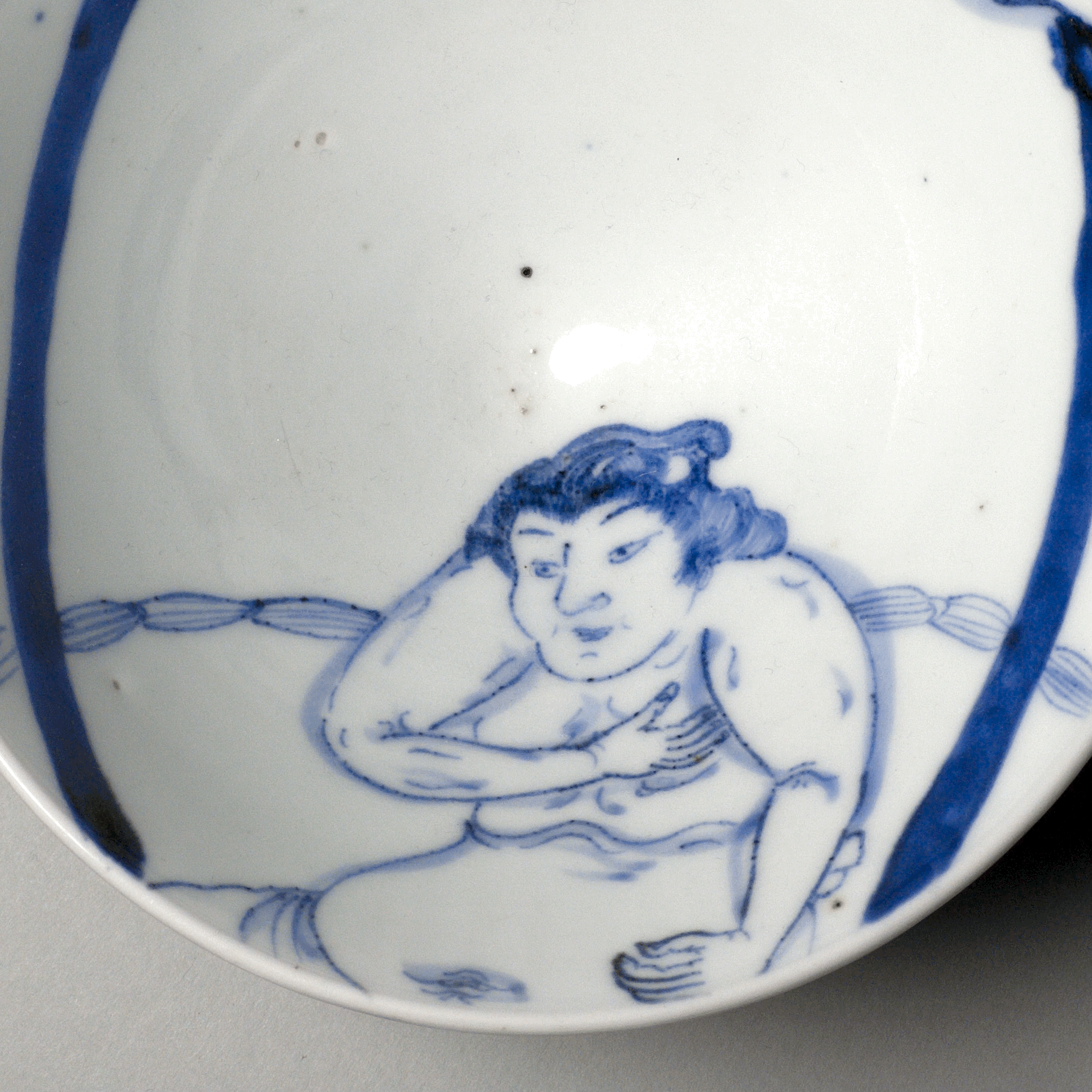 Image 2 of 5
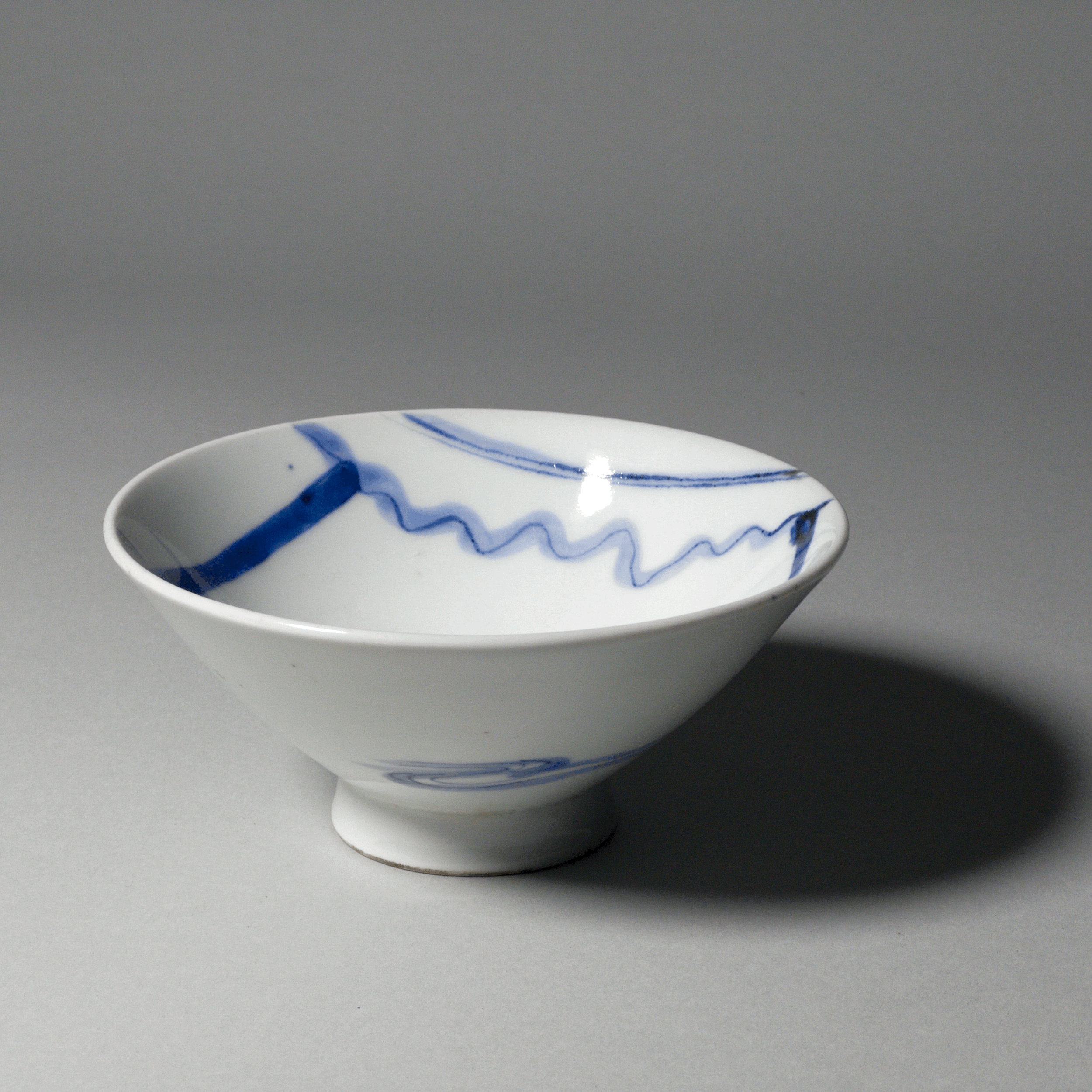 Image 3 of 5
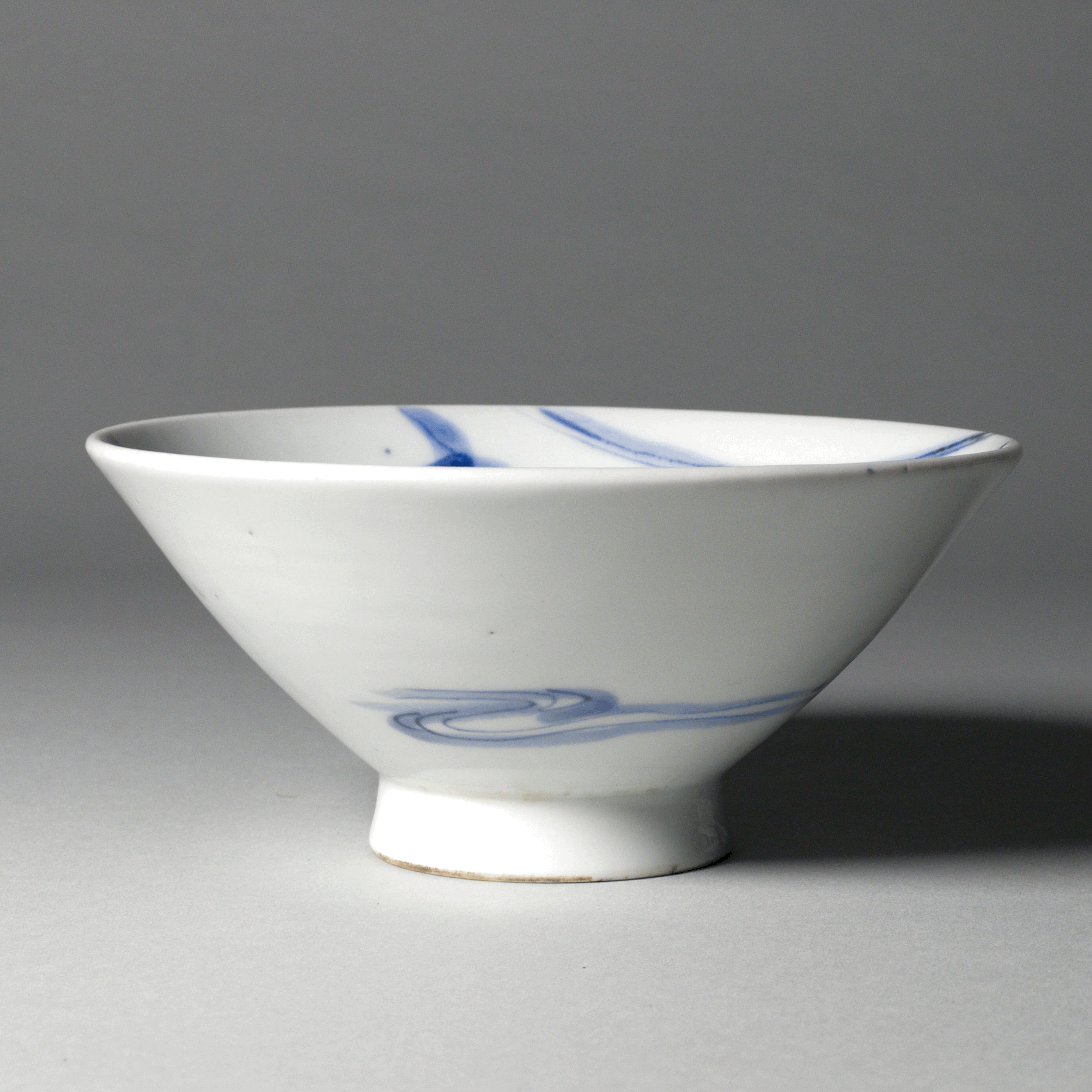 Image 4 of 5
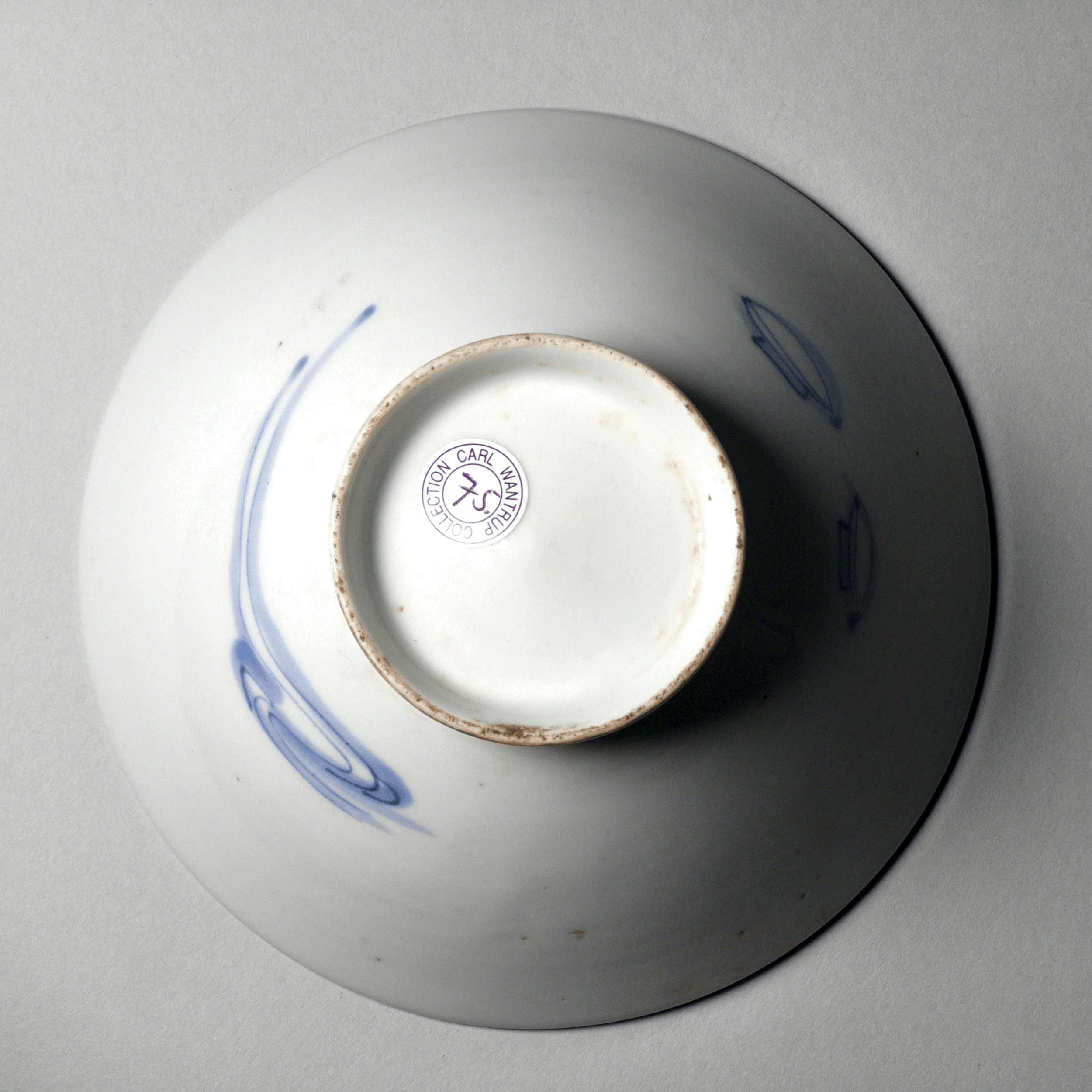 Image 5 of 5
Arita, Japan
Edo Period (1603-1868), c. 1800-1850
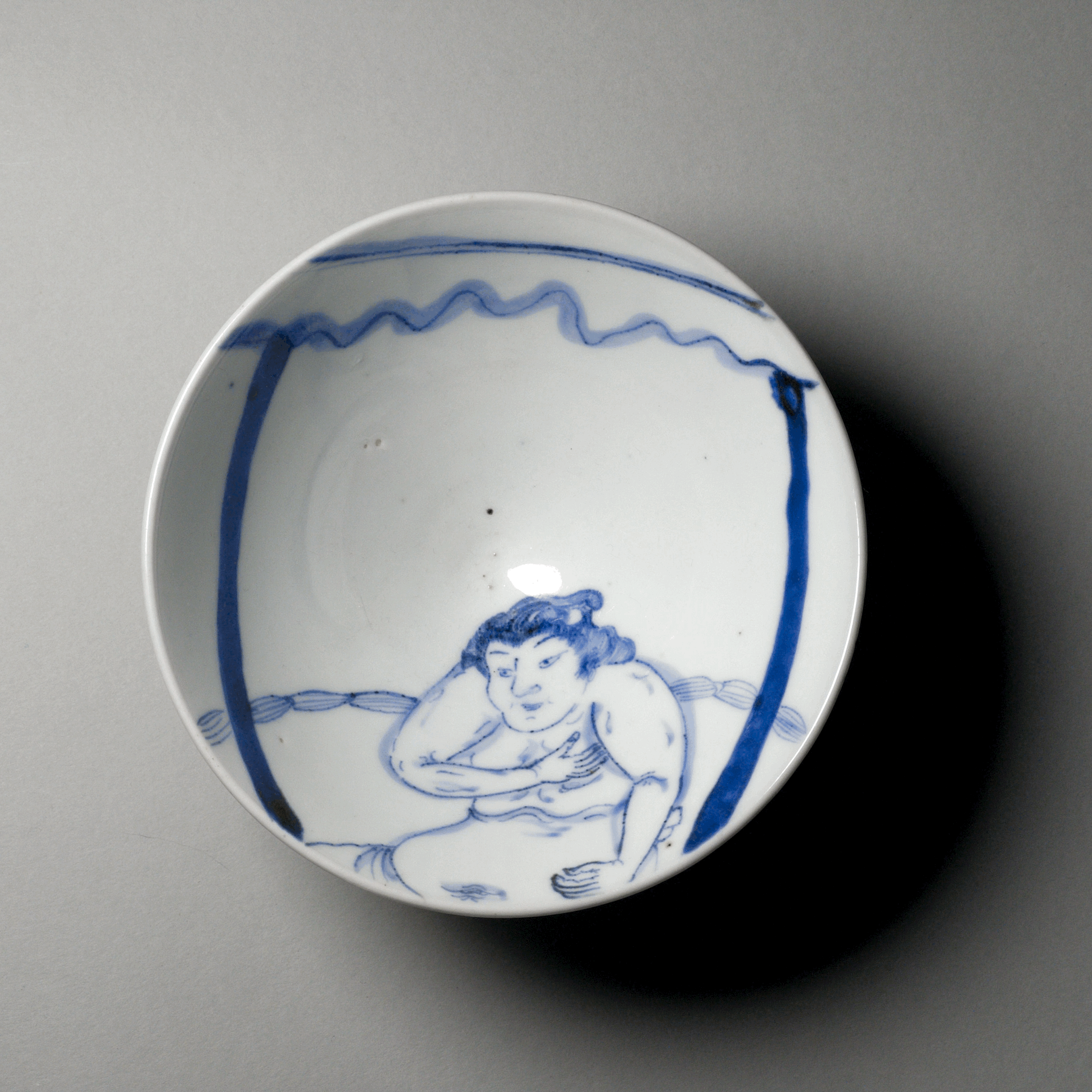
Of conical form in finely potted porcelain with a gently splayed foot, finely and most unusually decorated with a characterful sumo wrestler in a dohyo (tournament ring) to the interior and sake cups floating on water to the exterior, in underglaze cobalt. 6.5cm high, 14cm diameter.
Cat. 75
Ohaguro, and the use of ugai-chawan
In Edo period Japan (1603–1868), the ugai-chawan (嗽茶碗, literally "gargle tea bowl") was a small porcelain bowl used as part of the ohaguro (お歯黒) tooth-blackening ritual, a beauty and social custom primarily among married women, geisha, and some aristocrats including males, as teeth were viewed as being part of the human skeleton, and thus seen as ugly and symbolic of death. The highly astringent and bitter dye made from iron filings, vinegar, and tannin-rich gallnut powder required repeated application to the teeth, followed by rinsing the mouth to remove excess residue and alleviate the harsh taste. Adherents would gargle with water from the ugai-chawan and spit into a nearby basin (mimidarai), completing the maintenance of their elegant blackened smile. These bowls were often part of elaborate cosmetic sets included in a bride's trousseau. While the origin of usage for this piece is very specifically for use in ohaguro, in today’s world it can be used as an interesting and characterful tea bowl for casual use.
Arita, Japan
Edo Period (1603-1868), c. 1800-1850
Of conical form in finely potted porcelain with a gently splayed foot, finely and most unusually decorated with a characterful sumo wrestler in a dohyo (tournament ring) to the interior and sake cups floating on water to the exterior, in underglaze cobalt. 6.5cm high, 14cm diameter.
Cat. 75
Ohaguro, and the use of ugai-chawan
In Edo period Japan (1603–1868), the ugai-chawan (嗽茶碗, literally "gargle tea bowl") was a small porcelain bowl used as part of the ohaguro (お歯黒) tooth-blackening ritual, a beauty and social custom primarily among married women, geisha, and some aristocrats including males, as teeth were viewed as being part of the human skeleton, and thus seen as ugly and symbolic of death. The highly astringent and bitter dye made from iron filings, vinegar, and tannin-rich gallnut powder required repeated application to the teeth, followed by rinsing the mouth to remove excess residue and alleviate the harsh taste. Adherents would gargle with water from the ugai-chawan and spit into a nearby basin (mimidarai), completing the maintenance of their elegant blackened smile. These bowls were often part of elaborate cosmetic sets included in a bride's trousseau. While the origin of usage for this piece is very specifically for use in ohaguro, in today’s world it can be used as an interesting and characterful tea bowl for casual use.